
Property Owner Guide to Indoor Air Quality Improvement in Fort Lauderdale
Indoor air quality is a growing concern for property owners in Fort Lauderdale. With high humidity, year-round AC use, heavy rainfall, and tightly sealed buildings, indoor air often becomes trapped, stale, and moisture-laden. Over time, this affects not only comfort but also the condition of the property itself.
This guide explains how indoor air quality issues develop in Fort Lauderdale properties, what signs owners should watch for, and practical ways to improve air quality while protecting long-term property value.
What Indoor Air Quality Really Means
Indoor air quality refers to the condition of the air inside a building and how it is affected by moisture, ventilation, contaminants, and airflow. In Fort Lauderdale homes and rental properties, air quality is heavily influenced by humidity levels, AC performance, and hidden moisture sources.
Poor indoor air quality often develops gradually. It may not be noticeable at first, but over time it can contribute to odors, surface damage, and mold growth. Improving air quality is not about a single fix but about managing moisture, airflow, and cleanliness together.
Why Fort Lauderdale Properties Face Air Quality Challenges
Fort Lauderdale’s coastal climate creates ideal conditions for indoor air problems. High humidity slows evaporation and keeps indoor air damp. Frequent storms introduce moisture through roofs, windows, and foundations. AC systems run most of the year, and any imbalance in drainage or airflow can trap moisture inside the home.
Many properties are built to be energy efficient, which limits fresh air exchange. While this helps with cooling costs, it can also allow pollutants and moisture to build up indoors. Nearby areas like Lauderdale-by-the-Sea, North Lauderdale, and Pompano Beach experience the same challenges.
Common Signs of Poor Indoor Air Quality
Property owners often notice indirect signs before realizing air quality is the issue. Common indicators include:
Musty or stale odors
Persistent indoor humidity
Visible condensation on vents or windows
Dust buildup around air vents
Uneven cooling or airflow
Mold growth on surfaces or inside closets
Tenant complaints about air feeling heavy or damp
These signs suggest moisture and airflow issues that should be addressed promptly.
Hidden Contributors to Indoor Air Problems
Many indoor air quality issues originate in areas that are rarely inspected. Common hidden contributors include moisture inside wall cavities, damp insulation, air ducts with condensation, and AC drain line backups.
Slab foundations can also allow moisture to migrate upward into flooring. Attics often trap humid air after storms, and poorly ventilated bathrooms and kitchens add moisture daily. Without proper detection, these areas continue affecting indoor air long after the initial issue begins.
The Role of Moisture in Air Quality
In Fort Lauderdale, moisture is the primary driver of indoor air quality problems. High humidity allows mold spores to settle and grow on damp surfaces. It also causes dust and allergens to cling to materials instead of being filtered out.
Managing moisture is the foundation of air quality improvement. Without controlling humidity and eliminating water intrusion, air purifiers or filters alone provide limited results.
Why DIY Air Quality Fixes Often Fall Short
Many property owners try quick fixes such as scented sprays, small dehumidifiers, or frequent filter changes. While these steps can help temporarily, they do not address underlying moisture or airflow issues.
Without professional inspection, hidden water sources and duct moisture remain untreated. In Fort Lauderdale’s climate, these unresolved issues continue to impact indoor air quality and property condition.
Professional Inspection and Air Quality Evaluation
Professional indoor air quality improvement starts with understanding what is happening inside the property. This includes moisture detection, inspection of AC systems, ductwork evaluation, and identifying areas where air circulation is poor.
Testing may include moisture readings, air sampling when necessary, and inspection of water-related problem areas. This approach helps property owners focus on targeted improvements rather than guesswork.
Pompano Mold Inspection and Testing applies this process regularly in Fort Lauderdale and surrounding Broward County communities.
Air Ducts, HVAC Systems, and Air Quality
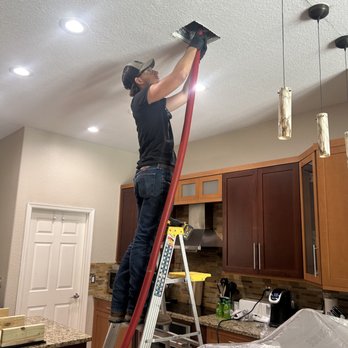
Air ducts play a major role in indoor air quality. When ducts contain moisture, dust, or microbial growth, these contaminants are distributed throughout the property every time the AC runs.
Duct cleaning and moisture control help restore proper airflow and reduce humidity-related issues. AC systems must also be inspected for clogged drain lines, dirty coils, and improper airflow, all of which affect indoor air conditions.
Water Damage and Its Impact on Indoor Air
Past or ongoing water damage has a lasting effect on air quality. Even after visible water is removed, moisture may remain in walls, floors, or insulation. This hidden dampness continues releasing odors and affecting indoor air.
Water removal, drying, and proper restoration are essential steps in improving air quality. Ignoring past water issues often leads to recurring problems.
Preventive Steps for Property Owners
Property owners can take practical steps to improve indoor air quality and reduce future issues:
Maintain AC systems regularly
Keep humidity levels controlled year-round
Address leaks immediately
Ensure proper ventilation in bathrooms and kitchens
Inspect ducts periodically
Monitor for signs of moisture after storms
Schedule professional inspections when concerns arise
Consistency is key in Fort Lauderdale’s climate.
Why Local Experience Matters
Indoor air quality improvement in Fort Lauderdale requires local knowledge. Coastal humidity, storm patterns, and building styles all influence how air behaves inside properties.
Professionals familiar with the area understand where moisture hides and how to address it effectively. Pompano Mold Inspection and Testing brings that local experience to inspections, moisture control, and air quality improvement services across Fort Lauderdale and nearby cities.
A Practical, Property-Focused Approach
Improving indoor air quality is an investment in the property itself. Cleaner, drier air helps protect building materials, supports tenant satisfaction, and reduces long-term maintenance costs.
For Fort Lauderdale property owners, taking a proactive, informed approach to air quality leads to healthier buildings and fewer unexpected issues. Understanding the role of moisture, airflow, and proper maintenance allows owners to make confident decisions and keep properties performing well year after year.