

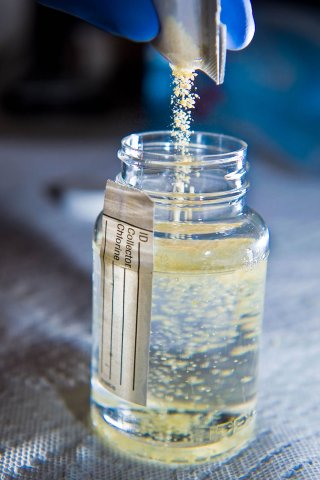
How Water Testing Helps Homes in Lauderdale-by-the-Sea After Hurricanes
Hurricanes leave behind more than visible damage in coastal communities like Lauderdale-by-the-Sea. Even when homes appear intact, storm surge, wind-driven rain, and temporary flooding can introduce water into places it should never be. After the cleanup crews leave and surfaces dry, hidden water-related issues often remain. This is where water testing becomes an important step for homeowners trying to understand what really happened inside their property.
This guide explains how hurricanes affect water conditions in Lauderdale-by-the-Sea homes, why water testing matters after storms, and how it helps homeowners make informed decisions during recovery.
How Hurricanes Affect Residential Water Systems
During a hurricane, water enters homes in multiple ways. Storm surge can push saltwater into ground-level areas. Heavy rain driven by strong winds can enter through roofs, windows, vents, and doors. Floodwater may mix with debris and contaminants before reaching interior spaces.
Even when flooding is limited, pressure changes and movement during storms can affect plumbing systems. Pipes may shift slightly, seals can weaken, and backflow can occur. These changes are not always obvious, but they can impact water quality and moisture conditions throughout the home.
Why Lauderdale-by-the-Sea Homes Face Higher Risk
Lauderdale-by-the-Sea’s coastal location increases exposure to hurricane-related water issues. Proximity to the ocean means storm surge and saltwater intrusion are real concerns. High water tables slow drainage and prolong saturation after storms.
Many homes in the area share characteristics with nearby Fort Lauderdale and Pompano Beach properties, including slab foundations and low-lying construction. These features make it easier for water to migrate upward into flooring and walls. High humidity following storms also slows drying, allowing moisture to linger.
What Water Testing Actually Evaluates After a Hurricane
Water testing after a hurricane is not limited to checking tap water safety. It helps evaluate broader water-related conditions inside the home.
Testing can help identify whether stormwater or floodwater has affected plumbing systems, whether contaminants may be present after backflow events, and whether water intrusion has compromised indoor environments. It also helps assess moisture-related risks that may lead to mold growth if not addressed.
Water testing provides clarity when visual inspections alone are not enough.
Common Post-Hurricane Water Concerns
After hurricanes, homeowners in Lauderdale-by-the-Sea often deal with several water-related concerns, including:
Floodwater entering ground-floor spaces
Saltwater intrusion from storm surge
Roof leaks allowing rainwater into attics
Backflow through plumbing systems
Standing water that soaked flooring or walls
Unusual odors from damp materials
Cloudy or discolored water from fixtures
These issues may persist even after visible cleanup is completed.
Hidden Water Issues That Often Go Unnoticed
One of the biggest challenges after hurricanes is hidden moisture. Water may remain inside wall cavities, beneath flooring, or inside insulation long after surfaces feel dry. Saltwater exposure is especially problematic because it leaves residue that continues attracting moisture from the air.
Water testing, combined with moisture detection, helps identify these hidden issues. Without this step, homeowners may assume the home has fully recovered when moisture-related problems are still developing.
Why Visual Checks Are Not Enough After Hurricanes
After a storm, many homeowners rely on visual inspections to judge recovery. While important, visual checks only reveal surface conditions. They do not show whether water entered plumbing systems, whether contaminants are present, or whether moisture remains trapped inside materials.
Hurricane-related water intrusion often spreads through hidden pathways. Testing provides information that cannot be gathered by sight or smell alone, reducing uncertainty during recovery.
Water Testing and Mold Prevention
In Lauderdale-by-the-Sea’s humid climate, mold can begin developing within 24 to 48 hours after water exposure. Hurricanes create ideal conditions for mold growth due to widespread moisture and delayed drying.
Water testing helps identify conditions that support mold development. By confirming whether water intrusion has affected indoor environments, homeowners can take timely steps to dry affected areas properly and reduce mold risk before it becomes a larger issue.
Companies like Pompano Mold Inspection and Testing often recommend water testing as part of post-hurricane assessments to help guide next steps.
Water Testing After Flooding or Storm Surge
Flooding and storm surge introduce additional concerns beyond clean rainwater. Floodwater may contain contaminants from streets, seawater, or surrounding properties. Even limited flooding can affect plumbing systems and building materials.
Water testing after these events helps determine whether water conditions have returned to normal after cleanup and drying. It also provides documentation that supports restoration decisions and future maintenance planning.
Plumbing Systems and Post-Storm Water Quality
Hurricanes can disrupt plumbing systems in subtle ways. Pressure changes, debris, and temporary power outages can affect water flow and drainage. In some cases, backflow may introduce contaminants into plumbing lines.
Testing water from fixtures helps confirm whether plumbing systems were impacted. This is especially important before resuming normal household use after major storms.
The Role of Water Testing During Restoration
Water testing plays an important role during the restoration process. It helps confirm whether water removal and drying efforts were effective and whether conditions inside the home have stabilized.
Rather than relying on guesswork, homeowners can use testing results to make informed decisions about repairs, drying duration, and follow-up inspections. This approach reduces the likelihood of future surprises.
Water Testing in Rental and Seasonal Homes
Rental properties and seasonal homes in Lauderdale-by-the-Sea face added risk after hurricanes. These properties may remain vacant during storms, allowing water issues to go unnoticed for longer periods.
Water testing after hurricanes helps property owners assess conditions before tenants return or before reopening seasonal homes. It also supports responsible property management and maintenance documentation.
Preventing Long-Term Issues After Hurricanes
While hurricanes cannot be prevented, homeowners can reduce long-term water-related problems by taking proactive steps after storms.
Inspect the home thoroughly after water events
Address roof and window leaks promptly
Ensure proper drying and ventilation
Schedule water testing when intrusion is suspected
Monitor indoor humidity levels
Follow up if odors or dampness persist
These steps help ensure recovery is complete, not just cosmetic.
Why Local Experience Matters After Hurricanes
Water testing in Lauderdale-by-the-Sea requires understanding how coastal storms affect homes in this specific area. Saltwater exposure, high humidity, and local construction styles all influence how water behaves after hurricanes.
Professionals familiar with Broward County properties know where storm-related water typically spreads and how to interpret test results accurately. Pompano Mold Inspection and Testing brings that local experience to post-hurricane water testing and moisture assessments across Lauderdale-by-the-Sea and surrounding communities.
A Practical Takeaway for Homeowners
Hurricanes leave behind more than visible damage. Hidden water issues can continue affecting homes long after the storm passes. Water testing helps homeowners understand what is happening beneath the surface and confirms whether recovery efforts were truly effective.
For Lauderdale-by-the-Sea homeowners, water testing after hurricanes provides clarity, reduces uncertainty, and helps prevent future problems. Taking this step supports safer recovery, protects the structure, and ensures the home is ready to move forward after the storm.