Property Owner Guide to Duct Cleaning in Lauderdale-by-the-Sea
Air ducts are one of the most overlooked parts of a home or commercial property, yet they play a major role in comfort, air quality, and energy efficiency. In Lauderdale-by-the-Sea, where humidity stays high most of the year and air conditioning systems run constantly, ductwork can quietly collect dust, moisture, and sometimes mold without property owners realizing it.
For homeowners, landlords, and property managers, understanding when and why duct cleaning matters can help prevent bigger issues and keep indoor air healthier.
What Air Duct Cleaning Really Is
Air duct cleaning is the process of removing dust, debris, and potential microbial buildup from HVAC ductwork, vents, and related components. The goal is not just cleaner air, but also improved airflow and reduced strain on the system.
In coastal communities like Lauderdale-by-the-Sea, duct systems are exposed to conditions that increase buildup:
- High humidity entering return ducts
- Salt-laden air affecting system components
- Condensation forming inside ducts
- Dust accumulation in filters and vents
- Moisture from AC drain or insulation problems
Over time, these conditions can affect air circulation and indoor comfort.
Why This Happens So Often in Lauderdale-by-the-Sea
Homes and buildings near the coast face constant exposure to humid air. Even well-maintained properties in Lauderdale-by-the-Sea, Pompano Beach, Deerfield Beach, Margate, Coconut Creek, North Lauderdale, and Fort Lauderdale experience similar environmental challenges.
Several factors contribute to duct contamination:
- AC systems running nearly year-round
- Ductwork passing through hot, humid attics
- Small duct leaks pulling in attic air
- Condensation buildup on supply boots
- Dust drawn into returns
When moisture combines with dust, it can create conditions where odors develop or airflow decreases.
Common Signs Property Owners Notice
Many property owners first suspect duct issues because something feels different indoors.
Common signs include:
- Musty or stale odors when AC runs
- Uneven cooling between rooms
- Dust appearing quickly after cleaning
- Airflow that feels weaker than before
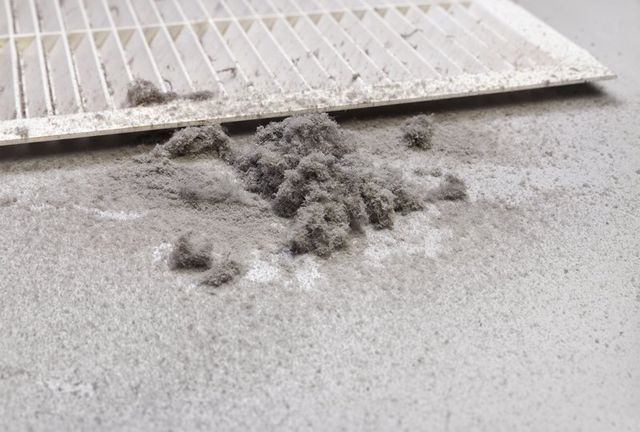
- Visible debris around vents
- Allergy-like irritation that improves outdoors
While these signs don’t always mean mold is present, they often indicate that inspection or cleaning may be beneficial.
Hidden or Overlooked Sources of Duct Contamination
Duct systems are hidden behind ceilings and walls, so problems can develop unnoticed. Inspections often reveal:
- Dust buildup inside return ducts
- Condensation inside supply lines
- Mold growth near evaporator coils
- Debris accumulation in vent boots
- Damp insulation around ducts
- Clogged AC drain lines increasing humidity
In many cases, moisture detection is just as important as cleaning, because moisture allows contamination to return.
Why DIY Duct Cleaning Usually Falls Short
Some homeowners attempt to clean vents with household tools, but most of the duct system is inaccessible without specialized equipment.
Common DIY limitations include:
- Only cleaning the visible vent cover
- Pushing dust deeper into ducts
- Missing moisture sources inside air handlers
- Not addressing clogged drain lines
- Not sealing duct leaks
Professional cleaning uses equipment designed to remove debris safely without spreading contaminants through the home.
Professional Duct Inspection and Cleaning Explained
A proper duct cleaning process follows several steps to ensure effective results.
Initial System Evaluation
The technician begins by examining the HVAC system, including the air handler, filter housing, and visible duct connections. This helps determine whether cleaning is necessary and what conditions are present.
Visual Inspection of Ductwork
Accessible sections of ductwork and vents are inspected for dust buildup, corrosion, or moisture signs. Supply and return vents are checked for airflow issues.
Moisture and Humidity Assessment
Because moisture is often the root cause of contamination, inspectors may check humidity levels and inspect drain lines, drip pans, and nearby insulation.
Cleaning Process
Professional duct cleaning typically includes:
- Removing vent covers
- Using specialized vacuum systems to extract debris
- Brushing or agitating interior duct surfaces when needed
- Cleaning supply and return lines
- Inspecting the blower compartment
In some cases, air duct cleaning may be combined with HVAC maintenance to improve performance.
Pompano Mold Inspection and Testing performs duct inspections as part of broader indoor air quality evaluations, especially when musty odors, humidity problems, or past water damage are involved.
Proper Mold Removal and Remediation When Needed
If mold growth is discovered inside or near ductwork, cleaning alone may not be enough. Proper remediation may involve:
- Identifying and correcting moisture sources
- Cleaning or replacing affected insulation
- Treating surfaces appropriately
- Verifying dryness before reassembly
Correcting the cause prevents recurrence and protects indoor air quality.
Flood Restoration and Water Damage Effects on Ducts
Storms and heavy rains in Lauderdale-by-the-Sea can sometimes cause water intrusion that affects HVAC systems. Flooding or roof leaks can lead to:
- Wet duct insulation
- Corrosion of metal components
- Mold growth inside air handlers
- Debris drawn into return ducts
Water removal and drying are essential before cleaning or repairs begin, because damp materials can quickly develop microbial growth.
Air Ducts, AC Systems, and Indoor Air Quality
The HVAC system circulates air throughout the entire property, which means duct conditions directly affect indoor air quality.
Issues that impact air quality include:
- Dirty coils reducing efficiency
- Dust buildup inside return ducts
- Moisture inside drip pans
- Poor airflow from blocked vents
Routine inspections and maintenance help prevent these problems and extend equipment life.
How to Prevent Duct Problems in Lauderdale-by-the-Sea Homes
Preventive maintenance is the most effective way to avoid costly repairs.
Helpful steps include:
- Replacing HVAC filters regularly
- Scheduling annual system inspections
- Keeping supply and return vents unobstructed
- Checking AC drain lines for clogs
- Ensuring attic insulation around ducts stays dry
- Addressing leaks promptly
- Monitoring indoor humidity levels
These steps reduce the chances of buildup inside ductwork and help maintain healthy indoor air.
Why Local Experience Matters
Properties in Lauderdale-by-the-Sea face unique conditions compared to inland areas. Coastal humidity, salt exposure, and frequent storms all affect HVAC systems differently.
Technicians familiar with Broward County construction styles, attic conditions, and seasonal humidity patterns can identify problems faster and recommend solutions that work in local conditions.
Calm, Trust-Based Call to Action
If your property in Lauderdale-by-the-Sea has uneven airflow, persistent odors, or dust buildup that keeps returning, a professional duct inspection can provide clear answers. Early maintenance helps protect both indoor comfort and the lifespan of your HVAC system.
Pompano Mold Inspection and Testing works with homeowners, landlords, and property managers throughout Lauderdale-by-the-Sea and surrounding Broward County communities to evaluate duct systems, identify moisture concerns, and recommend practical solutions that keep indoor air clean and systems running efficiently.