
Moisture Detection Services in North Lauderdale During the Rainy Season: Understanding the Process
Rainy season in North Lauderdale changes how homes behave. What stays dry for most of the year can suddenly trap moisture once heavy rains, high humidity, and daily storms become the norm. During these months, moisture problems don’t always show up as obvious leaks. More often, they build quietly inside walls, under floors, and above ceilings. This is where professional moisture detection becomes especially important.
Homeowners across North Lauderdale, Pompano Beach, Margate, and Coconut Creek frequently discover moisture issues only after stains, odors, or mold appear. Understanding how moisture detection works during the rainy season helps explain why early inspection matters and how problems are identified before damage spreads.
What Moisture Detection Really Means
Moisture detection is the process of locating unwanted water or dampness inside a home, even when it’s not visible. Unlike basic visual checks, proper detection focuses on what’s happening behind surfaces and within building materials.
During the rainy season, moisture may come from roof seepage, wind-driven rain, slab intrusion, AC condensation, or poor drainage around the home. Detection identifies where water is present, how concentrated it is, and whether it is ongoing or residual from earlier weather events.
This information forms the foundation for any effective repair, remediation, or prevention plan.
Why Rainy Season Increases Moisture Risk in North Lauderdale
North Lauderdale experiences intense rainfall patterns, often with repeated storms over short periods. The ground becomes saturated, humidity stays elevated, and homes struggle to dry out naturally.
Slab foundations, common in Broward County, can allow moisture to migrate upward when soil stays wet. Attics may experience wind-driven rain intrusion, while walls absorb moisture through small exterior gaps that stay unnoticed during dry months.
At the same time, air conditioning systems work harder, producing more condensation that can compound rain-related moisture problems. These overlapping factors make rainy season the peak time for hidden moisture issues.
Early Signs That Lead Homeowners to Moisture Detection
Many homeowners request moisture detection after noticing subtle but persistent changes. Musty odors after storms are one of the most common triggers. Others see faint wall discoloration, bubbling paint, or ceiling spots that appear and disappear depending on weather.
Some homes feel unusually humid even when the AC is running. Flooring may feel slightly soft, or baseboards may begin to warp. These signs don’t always indicate severe damage, but they strongly suggest moisture is present somewhere inside the structure.
Hidden Moisture Sources Common During Heavy Rains
Rainy season moisture doesn’t always come from obvious roof leaks. Water can enter through poorly sealed windows, aging stucco, or exterior wall penetrations. Once inside, it can travel along framing, insulation, and drywall.
In slab homes, moisture can rise through flooring materials when soil stays saturated. Attics may trap moisture from minor roof seepage combined with poor ventilation. AC systems can pull humid outdoor air inside through duct leaks, increasing condensation throughout the system.
These hidden sources make professional detection critical, especially when problems aren’t visible yet.
Why Visual Checks Are Not Enough in Rainy Months
During rainy season, moisture conditions change quickly. A wall that feels dry one day may be damp the next after repeated storms. Visual inspection alone cannot measure how deep moisture has penetrated or whether materials are retaining water.
Moisture detection tools provide data, not guesses. They allow inspectors to map affected areas, compare moisture levels across rooms, and identify patterns linked to rainfall or humidity spikes.
Without this information, repairs often focus on the wrong area or miss secondary moisture paths entirely.
How Professional Moisture Detection Is Performed
Professional moisture detection starts with a comprehensive assessment of the home. Inspectors evaluate interior spaces, exterior walls, attic areas, flooring, and HVAC-related components.
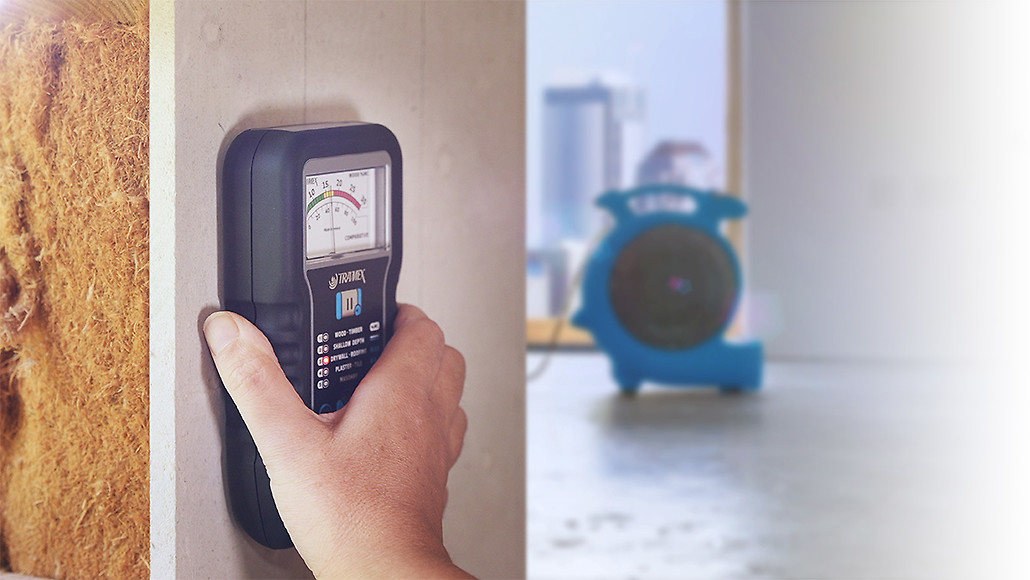
Moisture meters measure saturation levels in drywall, wood, and flooring. Thermal imaging helps identify temperature differences that often indicate damp areas behind surfaces. In some cases, inspectors trace moisture patterns back to exterior entry points or drainage issues.
This process is non-invasive and designed to provide a clear picture of where moisture is present and why.
The Role of Moisture Detection in Mold Prevention
Rainy season moisture creates ideal conditions for mold growth, especially when dampness persists unnoticed. Moisture detection helps catch these conditions early, before mold colonies establish themselves.
Even when mold is already visible, detection helps determine whether moisture is still active. This prevents incomplete remediation and reduces the chance of recurring mold problems after cleanup.
For many North Lauderdale homes, moisture detection is the step that stops minor rain-related issues from turning into long-term indoor air quality concerns.
When Detection Leads to Additional Services
Moisture detection often reveals the need for related services. AC condensation issues may require air conditioning repair or drain line correction. Damp ductwork may benefit from air duct cleaning or insulation replacement.
In cases involving water intrusion or storm-related damage, water removal or flood restoration may be necessary. Mold inspection and testing may also be recommended if moisture exposure has been ongoing.
Detection ensures that any follow-up work is targeted and proportional, rather than excessive or incomplete.
Why Local Knowledge Matters During Rainy Season
Moisture behaves differently in South Florida homes than in other regions. Professionals familiar with North Lauderdale and surrounding communities understand how rain, humidity, and construction styles interact.
Local experience helps distinguish between temporary surface moisture and deeper structural concerns. Companies like Pompano Mold Inspection and Testing bring that regional understanding to rainy-season inspections, helping homeowners get accurate answers without unnecessary disruption.
A Practical Approach for Rainy Season Peace of Mind
Moisture detection during North Lauderdale’s rainy season is about staying ahead of problems, not reacting to damage. Early detection provides clarity, protects building materials, and supports healthier indoor conditions.
When storms are frequent and humidity stays high, knowing what’s happening inside your home matters. Moisture detection offers that insight, helping homeowners make calm, informed decisions throughout the wettest months of the year.