Mold Inspection and Testing Services in Lighthouse Point in Humid Florida Summers: Risks and Prevention Methods
Summers in Lighthouse Point are known for high humidity, frequent afternoon storms, and long cooling seasons. While these conditions are normal for South Florida, they also create an environment where mold can develop quickly if moisture is present indoors. Many homeowners first notice subtle warning signs—musty odors, damp air, or small stains—long before mold becomes visible.
Mold inspection and testing services help property owners identify hidden moisture problems early, understand the level of contamination if present, and take practical steps to prevent long-term damage.
What Mold Problems in Humid Summers Really Are
Mold develops when three conditions are present: moisture, organic material, and time. Homes naturally contain materials such as drywall, wood, dust, and fabrics, which means moisture is the key factor that allows mold growth to begin.
During humid Florida summers, moisture can enter homes through:
- High indoor humidity levels
- Condensation from air conditioning systems
- Roof leaks after heavy rain
- Plumbing leaks or appliance overflows
- Poor ventilation in bathrooms or laundry areas
- Moisture trapped in ducts or attics
Even small amounts of moisture can allow mold to develop within a short period, especially when humidity remains high.
Why This Happens So Often in Lighthouse Point
Lighthouse Point and nearby communities such as Pompano Beach, Deerfield Beach, Margate, Coconut Creek, North Lauderdale, Lauderdale-by-the-Sea, and Fort Lauderdale all experience similar environmental conditions that increase mold risk.
Several factors contribute to mold problems during summer:
- Outdoor humidity often exceeding 70 percent
- Frequent thunderstorms and heavy rain
- Continuous air conditioning use
- Warm attic temperatures
- Limited ventilation in tightly sealed homes
Because humidity levels remain elevated for long periods, materials may stay damp even without visible water intrusion.
Common Signs Homeowners Notice
Mold problems rarely begin with large visible patches. Most homeowners notice early warning signs such as:
- Musty or earthy odors
- Condensation forming on vents or windows
- Discoloration on ceilings or walls
- Peeling paint or bubbling drywall
- Increased indoor humidity
- Allergy-like irritation that improves outdoors
These symptoms often indicate that moisture is present somewhere in the home.
Hidden or Overlooked Sources of Mold
Many mold problems begin in areas that are rarely inspected. In Lighthouse Point homes, inspections often reveal mold growth or moisture in:
- Attics with damp insulation
- Air handler closets with clogged drain lines
- Behind kitchen or bathroom cabinets
- Under sinks with slow plumbing leaks
- Ductwork in humid attic spaces
- Closets and storage areas with limited airflow
Because these areas remain undisturbed, mold can grow for weeks before being discovered.
Why DIY Mold Testing and Inspection Often Falls Short
Homeowners sometimes purchase DIY testing kits or rely on visual inspection. While these approaches may provide limited information, they often fail to identify hidden moisture sources or interpret results accurately.
Common limitations include:
- Inability to detect moisture behind walls
- No humidity measurements
- Limited understanding of sample results
- Overlooking HVAC or attic issues
- Misidentifying stains or discoloration
Professional inspection focuses on moisture detection first, which is the key to preventing mold recurrence.
Professional Mold Inspection and Testing Explained
A structured mold inspection typically follows several steps designed to provide accurate and practical information.
Initial Consultation
The inspection begins with a discussion of the property’s history, including recent leaks, storms, or humidity concerns. This helps identify areas that require closer evaluation.
Visual Inspection
High-risk areas such as bathrooms, kitchens, attics, and HVAC systems are examined for staining, condensation, or material deterioration.
Moisture Detection
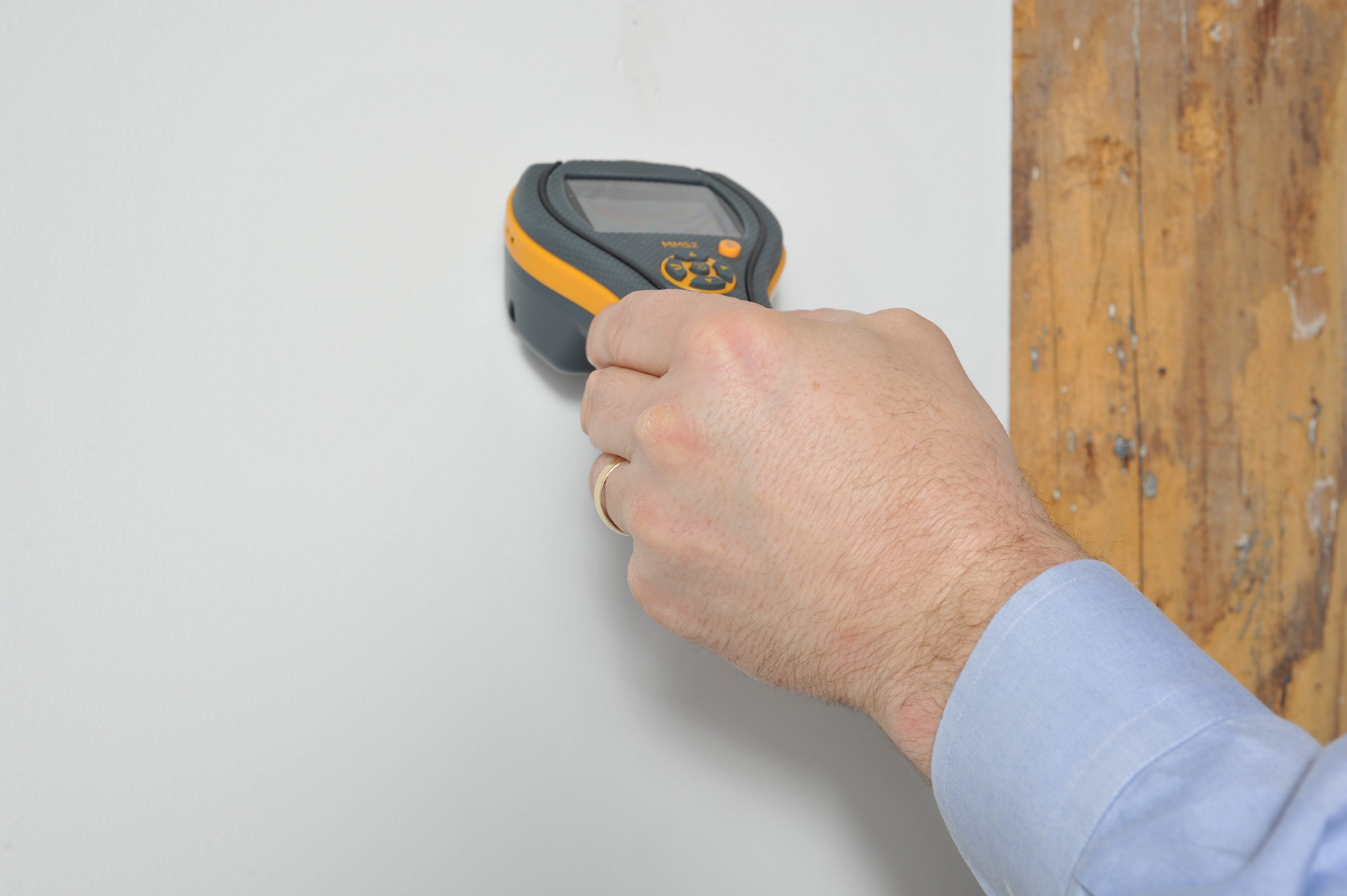
Moisture meters and thermal imaging equipment are used to locate damp areas behind walls or ceilings. This step often reveals hidden problems not visible to the eye.
Humidity Measurement
Indoor humidity levels are measured to determine whether conditions are promoting mold growth.
Mold Testing When Necessary
Air or surface sampling may be recommended when mold is suspected but not visible, or when documentation is needed. Samples are analyzed to evaluate spore levels and types.
Pompano Mold Inspection and Testing provides inspection and testing services throughout Broward County, helping homeowners in Lighthouse Point understand moisture conditions and determine appropriate next steps.
Risks Associated With Untreated Mold Problems
Ignoring mold or moisture issues can lead to several long-term risks:
- Damage to drywall, wood, and insulation
- Persistent odors and reduced indoor comfort
- Poor indoor air quality
- Increased repair costs over time
- Mold spreading to additional areas
Because mold often grows behind surfaces, early detection is important to limit the extent of damage.
Proper Mold Removal and Remediation
When mold is confirmed, remediation focuses on removing contaminated materials and correcting the moisture source.
A typical remediation process may include:
- Isolating affected areas
- Removing damaged drywall or insulation when necessary
- Cleaning structural surfaces
- Using air filtration equipment
- Verifying dryness before repairs
Correcting the moisture source is essential to prevent mold from returning.
Flood Restoration and Water Damage Repair
Summer storms in Lighthouse Point sometimes cause roof leaks or localized flooding, which can create conditions for mold growth. Water damage restoration may involve:
- Water extraction
- Structural drying
- Monitoring moisture levels
- Replacing damaged materials after drying
Prompt drying significantly reduces the likelihood of mold development.
Air Ducts, AC Systems, and Mold Risks
Air conditioning systems play a major role in humidity control. Problems such as clogged drain lines, duct leaks, or dirty coils can increase moisture levels inside the home.
Air duct cleaning and maintenance may be recommended when:
- Musty odors come from vents
- Dust accumulation is excessive
- Moisture is detected inside ducts
Maintaining HVAC systems helps improve airflow and reduce mold risk.
Prevention Methods for Homes in Lighthouse Point
Preventive maintenance is the most effective way to reduce mold risk during humid summers. Helpful steps include:
- Servicing air conditioning systems regularly
- Keeping condensate drain lines clear
- Using exhaust fans in bathrooms and kitchens
- Inspecting roofs and window seals before storm season
- Maintaining attic ventilation
- Repairing leaks promptly
- Monitoring indoor humidity levels
Routine inspections help identify small issues before they become serious problems.
Why Local Experience Matters
Homes in Lighthouse Point face environmental challenges unique to coastal South Florida. High humidity, salt air, and frequent storms all influence how moisture behaves inside buildings.
Professionals familiar with Broward County construction styles and climate patterns can identify moisture pathways more quickly and recommend practical solutions tailored to local conditions.
Calm, Trust-Based Call to Action
If your home in Lighthouse Point has persistent humidity, musty odors, or recent water intrusion, mold inspection and testing can provide clear answers. Early detection helps protect indoor air quality and prevents costly structural damage.
Pompano Mold Inspection and Testing works with homeowners and property managers throughout Lighthouse Point and nearby communities to identify moisture problems, evaluate indoor conditions, and recommend practical steps to maintain a dry, healthy home.