

Water Removal Services in Margate After Hurricanes: Warning Signs and Prevention Tips
Hurricanes and tropical storms are a reality for Margate homeowners. Even when a storm does not make direct landfall, heavy rain bands, wind-driven water, and power interruptions can lead to water intrusion inside homes. In many cases, the damage is not immediately obvious, allowing moisture to linger and cause further problems long after the storm has passed.
Water removal after hurricanes is not just about removing visible water. In Margate homes, moisture often settles into flooring, walls, insulation, and HVAC systems. Understanding the warning signs of hidden water damage and knowing how to prevent long-term issues can help homeowners protect their property after severe weather.
What Happens to Homes After Hurricane-Related Water Intrusion
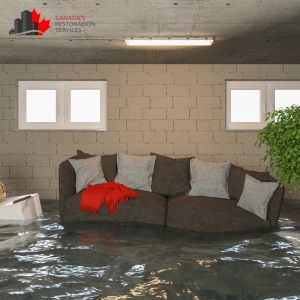
Hurricane-related water intrusion can enter homes in several ways. Roof damage, overwhelmed drainage systems, window and door leaks, and plumbing failures are common during storms. Even brief exposure to water can saturate building materials quickly.
Once water enters the home, it spreads beyond the visible area. Flooring materials absorb moisture, drywall wicks water upward, and insulation traps dampness inside walls. If water is not removed properly, these materials can remain wet for days or weeks.
This lingering moisture is what leads to secondary damage, including odors, material breakdown, and mold growth. Effective water removal addresses both standing water and hidden moisture.
Why Margate Homes Are Vulnerable After Hurricanes
Margate experiences intense rainfall during hurricane season. Storm drains can become overwhelmed, causing water to back up around homes. Low-lying areas and properties with older drainage systems are especially at risk.
Many homes in Margate have slab foundations. When floodwater or heavy rain saturates the ground, moisture can migrate upward through the slab, affecting flooring and lower walls even without visible flooding.
Extended power outages during storms can shut down air conditioning systems. Without AC, indoor humidity rises quickly, slowing natural drying and allowing moisture to linger inside the home.
Older homes may have aging roofing, windows, or plumbing that are more susceptible to storm damage. Newer homes can also experience water intrusion due to wind-driven rain forcing moisture into small gaps.
Warning Signs That Water Removal Is Needed
Standing water is an obvious sign, but many warning signs appear after visible water is gone. A persistent musty or damp odor is often one of the first indicators that moisture remains inside the home.
Discoloration on walls or ceilings, especially near baseboards or corners, can signal water absorption. Paint that bubbles or peels after a storm is another common sign.
Floors may feel soft, warped, or uneven. Carpet that appears dry on the surface but feels damp underneath often indicates trapped moisture.
In some cases, homeowners notice increased humidity or condensation on windows and vents days after the storm, suggesting moisture is still present in the structure.
Hidden Areas Where Water Often Remains
After hurricanes, water frequently remains in areas that are not visible. Wall cavities can hold moisture from roof leaks or wind-driven rain without showing immediate damage.
Insulation in walls and attics absorbs water and dries slowly, especially in humid conditions. If not addressed, this moisture can lead to mold growth.
Under flooring, particularly tile or carpet, moisture can remain trapped against the slab foundation. Baseboards and lower drywall may wick water upward, spreading damage.
HVAC systems are another overlooked area. Condensation and humidity can affect ductwork and air handlers, especially if the system was shut down during the storm.
Why Delayed Water Removal Causes Bigger Problems
Delaying water removal allows moisture to penetrate deeper into building materials. The longer water remains, the more difficult it becomes to dry affected areas completely.
Materials such as drywall, wood framing, and insulation begin to deteriorate when wet for extended periods. Odors become harder to eliminate, and repairs become more extensive.
Mold growth can begin within a short time when moisture is present. Even if mold is not immediately visible, conditions may already be favorable for growth behind walls or under flooring.
Prompt water removal reduces the risk of these secondary issues and limits overall damage.
How Professional Water Removal Services Work
Professional water removal starts with an assessment of the affected areas. Moisture detection tools are used to identify both visible and hidden water intrusion.
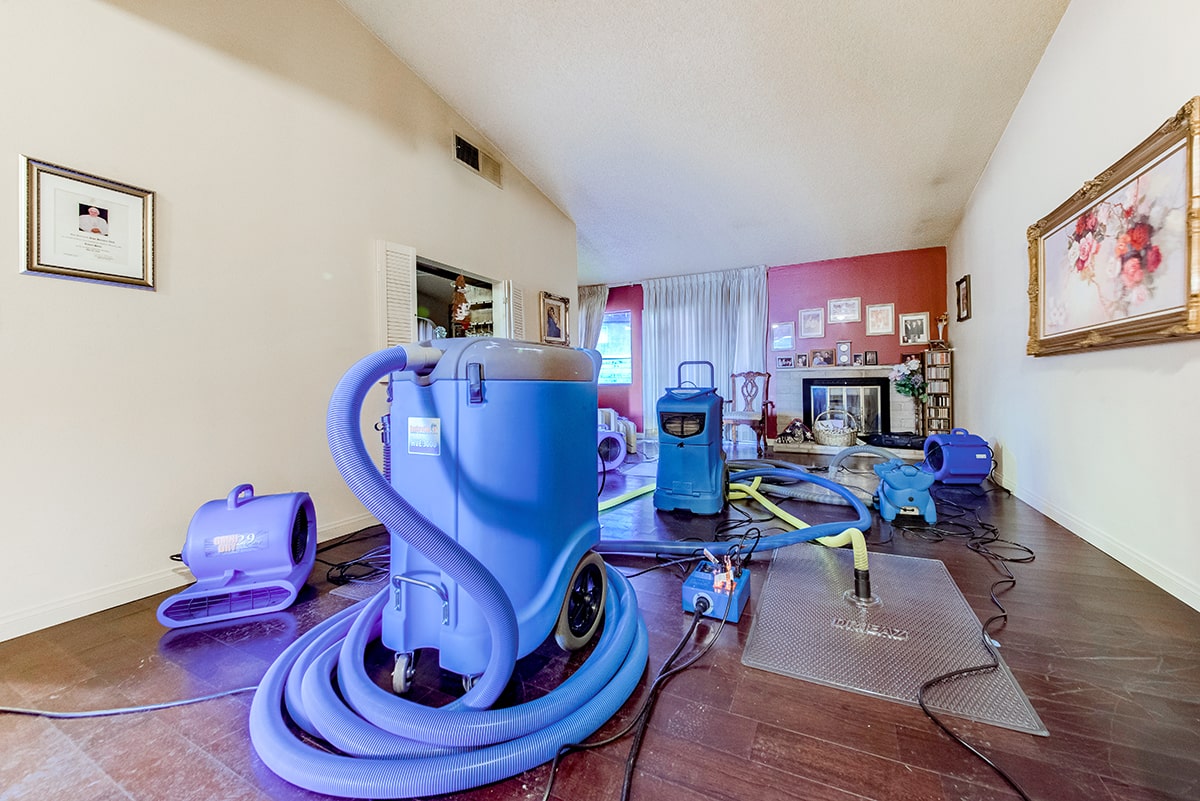
Standing water is removed using high-powered extraction equipment. Once visible water is gone, drying equipment is strategically placed to pull moisture from floors, walls, and the air.
Dehumidifiers and air movers work together to reduce humidity and accelerate drying. Moisture levels are monitored throughout the process to ensure materials return to acceptable levels.
In cases involving contaminated water, additional cleaning and treatment may be necessary to protect indoor conditions.
Pompano Mold Inspection and Testing provides water removal services in Margate and surrounding Broward County communities using this structured approach.
Water Removal After Flooding Versus Roof Leaks
Hurricane-related water damage can come from different sources, and each requires a specific approach. Floodwater often affects flooring and lower walls, while roof leaks may impact ceilings, attics, and upper walls.
Flood-related water removal focuses on extracting water from floors and subflooring, followed by thorough drying. Roof-related water intrusion may require attic drying and insulation assessment.
Understanding the source of water helps ensure that all affected areas are addressed during the removal process.
Preventing Mold After Hurricane Water Damage
Mold prevention begins with thorough drying. Even small amounts of trapped moisture can support mold growth in Margate’s humid climate.
After water removal, affected areas should be inspected for lingering moisture. Proper ventilation and humidity control are essential during the drying process.
If water damage was extensive or drying was delayed, a mold inspection may be recommended to confirm that conditions are stable.
Addressing water damage correctly the first time greatly reduces the risk of mold developing later.
HVAC Systems and Post-Hurricane Moisture Control
Air conditioning systems play a key role in moisture control after hurricanes. Once power is restored, AC systems help remove humidity from the air.
However, if drain lines are clogged or ducts are wet, AC operation alone may not be enough. Moisture inside HVAC components can contribute to odors and mold growth.
Professional inspection of AC systems and ductwork helps ensure they are not contributing to ongoing moisture issues after a storm.
Practical Prevention Tips for Future Storms
Preparation helps reduce water damage during future hurricanes. Keeping gutters and drains clear allows water to flow away from the home more effectively.
Sealing windows, doors, and exterior penetrations reduces wind-driven rain intrusion. Regular roof and plumbing inspections help identify vulnerabilities before storms arrive.
After a hurricane, even if damage seems minor, a professional inspection can identify hidden moisture early. Acting quickly is one of the most effective ways to prevent long-term problems.
Why Local Experience Matters in Hurricane Recovery
Hurricane-related water damage varies by location. Margate homes face specific risks based on drainage patterns, construction styles, and storm behavior.
Professionals with local experience understand how water moves through Margate properties and where hidden moisture is likely to remain. This knowledge leads to more effective water removal and drying strategies.
Pompano Mold Inspection and Testing brings this local understanding to Margate, Coconut Creek, North Lauderdale, Pompano Beach, and surrounding Broward County areas.
A Calm Next Step After the Storm
If your home has experienced water intrusion after a hurricane, addressing the issue promptly can prevent further damage. Professional water removal provides clarity, restores dry conditions, and supports long-term home protection.
Taking a proactive, informed approach after storms is the most reliable way to protect Margate homes from ongoing moisture and water damage.