Understanding the Process: Mold Inspection and Testing in Fort Lauderdale in Commercial Buildings
Commercial buildings in Fort Lauderdale face unique challenges when it comes to moisture control and indoor air quality. High humidity, heavy rains, and constant HVAC use create conditions where mold can develop if moisture is not carefully managed. Mold inspection and testing play an important role in identifying problems early, protecting building materials, and maintaining a safe indoor environment for occupants.
What Mold Inspection and Testing Involves
Mold inspection is a systematic evaluation of a building to determine whether mold growth or moisture conditions are present. Testing may include collecting air or surface samples to understand the extent of contamination and identify contributing factors.
In commercial buildings, inspections are often more detailed than residential inspections because of:
- Larger HVAC systems
- Multiple rooms and enclosed areas
- Higher occupancy levels
- Complex ventilation systems
A thorough inspection helps property owners and facility managers understand the building’s condition and plan appropriate maintenance or remediation if needed.
Why Mold Problems Are Common in Fort Lauderdale Commercial Buildings
Several environmental and structural factors contribute to mold growth in Fort Lauderdale:
- High humidity levels throughout the year
- Frequent storms and heavy rainfall
- Roof drainage issues on flat commercial roofs
- Condensation from large HVAC systems
- Plumbing and sprinkler line leaks
Commercial buildings often operate continuously, which means air conditioning systems run for long periods. This can create condensation and moisture buildup in ducts and mechanical rooms if not properly maintained.
Common Signs Building Managers Notice
Mold problems in commercial buildings often begin with subtle warning signs. Facility managers and tenants may notice:
- Persistent musty odors
- Water stains on ceiling tiles
- Warped drywall or baseboards
- Increased indoor humidity
- Discoloration around vents or ductwork
These signs do not always confirm mold growth, but they often indicate moisture conditions that should be evaluated.
Hidden or Overlooked Sources of Mold
In commercial properties, mold frequently develops in areas that are rarely inspected during routine maintenance. These areas may include:
- Above suspended ceilings
- Inside HVAC air handlers
- Mechanical rooms with poor ventilation
- Behind wall panels near plumbing
- Storage rooms with limited airflow
Because these spaces are not part of daily operations, moisture problems can remain unnoticed for extended periods.
Why DIY Inspection Methods Are Not Effective
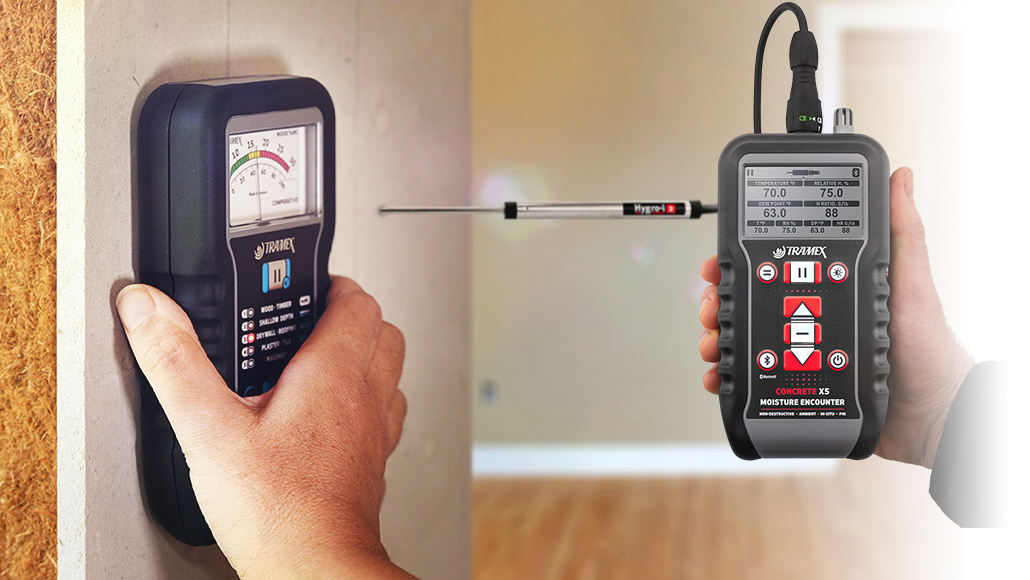
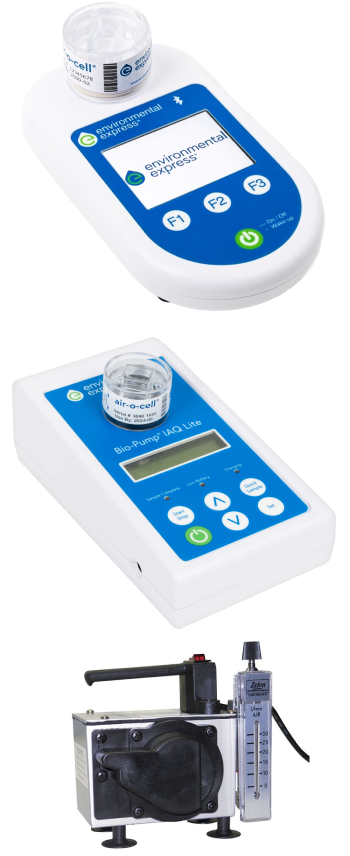
Commercial mold inspections require specialized tools and training. Visual checks alone cannot detect hidden moisture or airborne spores. Proper inspections often involve:
- Moisture meters
- Thermal imaging equipment
- Air sampling pumps
- Hygrometers to measure humidity
Without professional equipment, it is difficult to determine the full extent of a problem.
Professional Mold Inspection and Testing Process
A professional inspection in a Fort Lauderdale commercial building typically follows a structured process:
- Initial walkthrough and visual assessment
- Identification of moisture-prone areas
- Measurement of humidity and temperature levels
- Moisture mapping of walls, ceilings, and flooring
- Air or surface sampling when necessary
- Documentation and reporting of findings
Pompano Mold Inspection and Testing regularly performs inspections in commercial buildings across Fort Lauderdale and surrounding Broward County communities, helping property owners understand both visible and hidden moisture risks.
Proper Mold Remediation If Problems Are Found
If inspection and testing confirm mold growth, remediation may be recommended. In commercial environments, remediation is carefully planned to minimize disruption to operations.
Typical steps include:
- Containing affected areas
- Using air filtration equipment
- Removing contaminated materials when necessary
- Cleaning and disinfecting surfaces
- Drying and stabilizing humidity levels
Addressing the moisture source is always the most critical part of remediation.
Flood Restoration and Water Damage Repair in Commercial Buildings
Flooding and roof leaks can cause significant damage in commercial structures. Restoration often includes:
- Water extraction
- Drying of structural materials
- Replacement of ceiling tiles and insulation
- Monitoring moisture levels to ensure complete drying
Prompt action helps prevent mold growth and reduces long-term repair costs.
HVAC Systems, Air Ducts, and Mold Risks
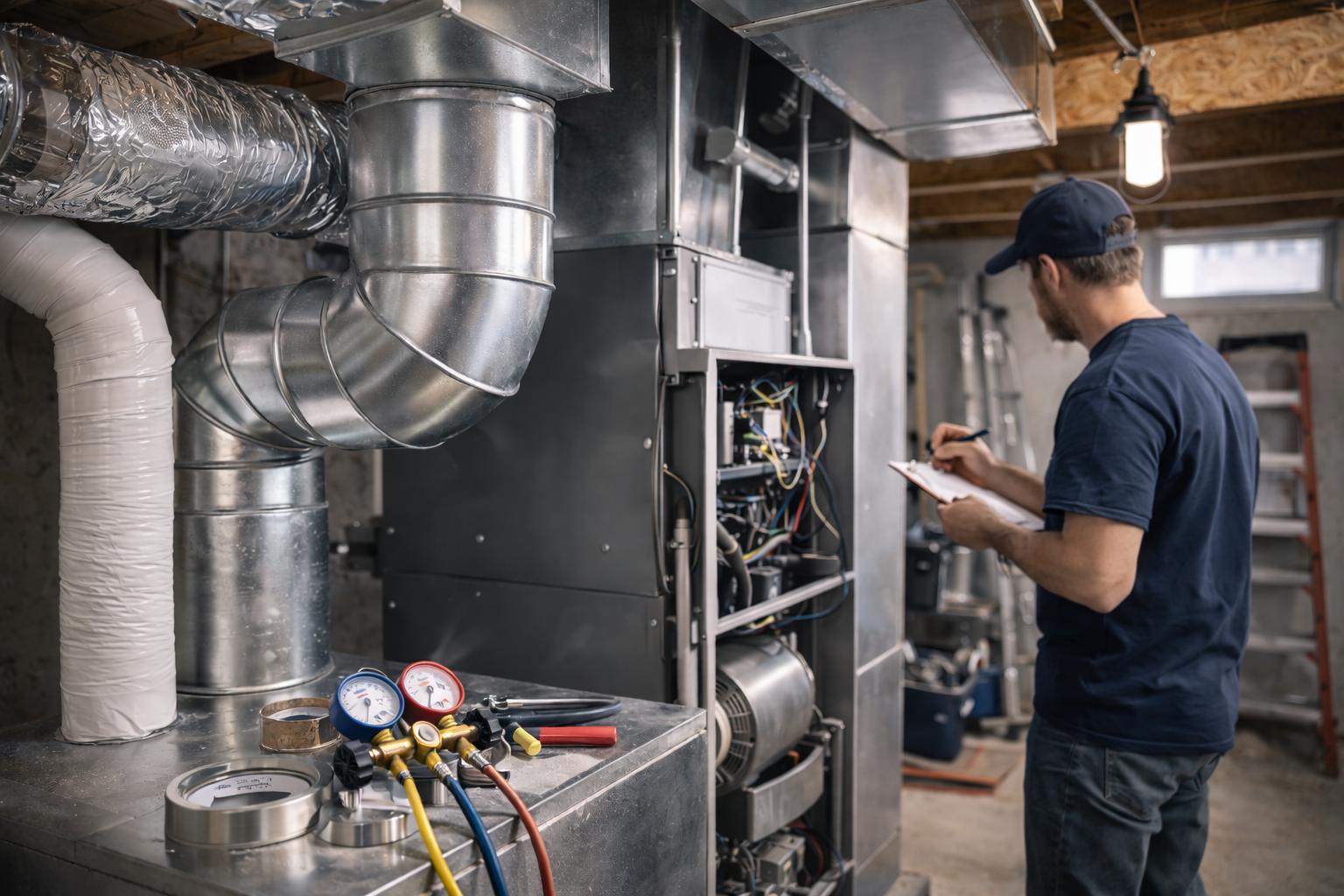
Commercial HVAC systems are larger and more complex than residential systems, and they can contribute to mold problems if moisture accumulates.
Common HVAC-related issues include:
- Condensation in ductwork
- Clogged drain lines
- Poor airflow in certain zones
- Dirty or damp insulation
Regular maintenance and periodic duct cleaning help reduce these risks and improve indoor air quality.
How Commercial Property Owners Can Prevent Mold
Preventive maintenance is essential in Fort Lauderdale commercial buildings. Effective strategies include:
- Regular roof and drainage inspections
- Scheduled HVAC maintenance
- Monitoring humidity levels
- Repairing plumbing leaks promptly
- Ensuring proper ventilation in storage and mechanical areas
Routine inspections often identify small issues before they become major problems.
Why Local Experience Matters
Commercial buildings in Fort Lauderdale are exposed to environmental conditions that differ from those in many other regions. Coastal humidity, storm patterns, and building design all influence how moisture behaves indoors.
Local inspectors understand:
- Typical moisture patterns in Broward County buildings
- Construction methods common in South Florida
- HVAC challenges in large commercial spaces
This experience helps inspections be more accurate and remediation more effective.
A Practical Next Step for Building Owners and Managers
Mold inspection and testing provide valuable information about the condition of a commercial property. Identifying moisture problems early allows building managers to plan maintenance, protect building materials, and maintain a comfortable environment for occupants.
A careful, professional inspection is often the most efficient way to understand indoor conditions and prevent costly repairs in the future.