

Understanding Flood Restoration in Pompano Beach: Costs, Causes, and Solutions
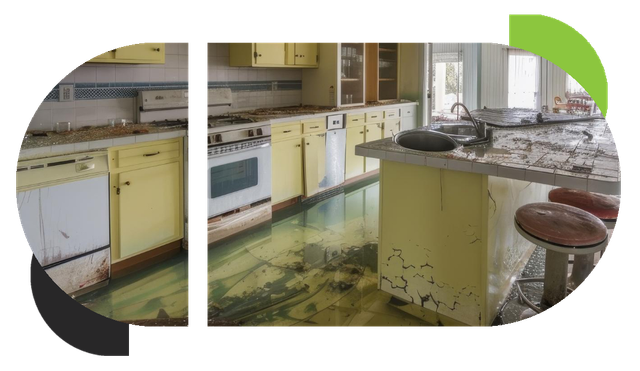
Flooding is a common concern for homeowners and property managers in Pompano Beach. Heavy rain, tropical storms, plumbing failures, and drainage issues can all introduce water into homes with little warning. Even when flooding seems minor, the damage often extends beyond what is visible, making proper flood restoration essential.
Understanding why flooding happens, what restoration involves, and how costs are influenced helps homeowners make informed decisions. In Pompano Beach, where humidity and storm activity are ongoing realities, flood restoration is as much about prevention as it is about repair.
Common Causes of Flooding in Pompano Beach Homes
Flooding in Pompano Beach can come from multiple sources, and not all are related to major storms. One of the most frequent causes is heavy rainfall that overwhelms drainage systems. When soil becomes saturated, water can seep into homes through foundations, doors, and low-lying entry points.
Plumbing failures are another leading cause. Aging supply lines, burst pipes, leaking water heaters, and overflowing appliances such as washing machines can release large amounts of water quickly.
Roof leaks during storms allow water to enter attics and ceilings. Over time, this water travels down walls and into flooring, often unnoticed until damage becomes widespread.
Air conditioning systems also contribute to flooding issues. Clogged condensate drain lines or malfunctioning units can cause water to back up into ceilings and walls, especially during long cooling seasons.
How Flood Water Spreads Inside a Home
Once water enters a home, it does not stay in one place. Flooring materials absorb moisture, drywall wicks water upward, and insulation traps dampness inside walls and ceilings.
In homes with slab foundations, water can migrate beneath flooring and remain trapped against the concrete. Even tile or vinyl flooring can hide moisture below the surface, allowing damage to spread silently.
High humidity slows natural drying, especially when power outages interrupt air conditioning. This allows moisture to linger longer, increasing the risk of odors, material deterioration, and mold growth.
Understanding how water moves through a structure explains why visible cleanup alone is rarely enough after flooding.
Early Warning Signs of Flood Damage
Standing water is an obvious sign, but many flood-related problems appear after surface water is gone. A musty or damp odor that persists is often the first clue that moisture remains inside the home.
Discoloration on walls or ceilings, particularly near baseboards or corners, can indicate water absorption. Paint that bubbles, peels, or cracks after a water event is another common warning sign.
Floors may feel soft, warped, or uneven. Carpet may appear dry on the surface while padding underneath remains wet.
Increased indoor humidity or condensation on windows and vents days after flooding often points to hidden moisture still present in the structure.
Why Flood Restoration Is More Than Water Removal
Flood restoration is a multi-step process. Removing visible water is only the beginning. Without thorough drying and moisture control, damage continues beneath the surface.
Wet building materials weaken over time. Drywall loses structural integrity, wood can warp or rot, and insulation becomes ineffective when saturated.
Lingering moisture also creates conditions where mold can develop. Even if mold is not immediately visible, moisture trapped inside walls or under flooring can support growth later.
Effective flood restoration focuses on restoring dry, stable conditions throughout the home.
The Flood Restoration Process Explained
Flood restoration begins with a detailed assessment. Moisture detection tools are used to identify both visible and hidden water intrusion in floors, walls, ceilings, and HVAC systems.
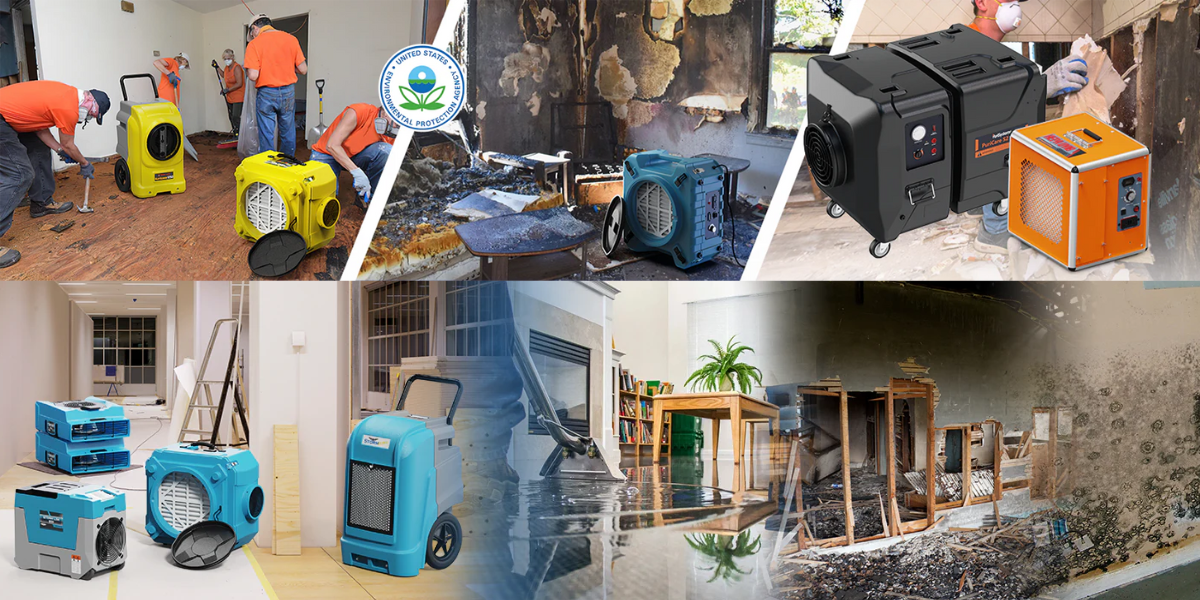
Standing water is removed using high-powered extraction equipment. Once visible water is gone, drying equipment is strategically placed to pull moisture from affected materials.
Air movers and dehumidifiers work together to reduce humidity and accelerate evaporation. Moisture levels are monitored throughout the process to ensure materials return to acceptable levels.
In some cases, damaged materials such as drywall, insulation, or flooring may need to be removed if they cannot be dried effectively.
Pompano Mold Inspection and Testing provides flood restoration services in Pompano Beach and surrounding Broward County communities using this structured approach.
Factors That Influence Flood Restoration Costs
Flood restoration costs vary depending on several factors. The amount of water involved and how long it remained before cleanup play a major role.
The source of the water matters. Clean water from a supply line leak is typically easier to address than storm or floodwater that may carry contaminants.
The size of the affected area and the types of materials involved also affect cost. Carpet, padding, insulation, and drywall require different restoration methods.
Hidden moisture increases complexity. The more areas affected behind walls or under flooring, the more time and equipment are required for proper drying.
Early intervention often reduces overall restoration costs by limiting damage spread.
Flood Restoration and Mold Prevention
One of the primary goals of flood restoration is preventing mold growth. In Pompano Beach’s humid climate, mold can begin developing quickly when moisture remains.
Proper drying is the most effective mold prevention step. Moisture monitoring ensures that hidden dampness is fully addressed before repairs are made.
In cases where drying was delayed or flooding was extensive, a mold inspection may be recommended to confirm that conditions are stable.
Addressing flood damage thoroughly the first time significantly reduces the risk of future mold problems.
The Role of HVAC Systems After Flooding
Air conditioning systems play a key role in controlling indoor moisture after flooding. Once power is restored, AC systems help reduce humidity levels.
However, if drain lines are clogged or ducts are damp, the system can contribute to lingering moisture. HVAC components may need inspection as part of flood restoration.
Ensuring the AC system is functioning properly supports effective drying and long-term moisture control.
Practical Solutions to Reduce Future Flood Risk
Preventing future flooding starts with maintenance. Regular plumbing inspections help identify weak points before failures occur.
Keeping gutters and exterior drains clear allows water to move away from the home more effectively during heavy rain. Sealing windows, doors, and exterior penetrations reduces water intrusion.
Maintaining AC systems and condensate drain lines prevents backup-related water damage. After storms, inspections help catch minor issues before they become major problems.
For homes with a history of flooding, periodic professional inspections provide added peace of mind.
Why Local Experience Matters in Flood Restoration
Flood behavior varies by location. Pompano Beach homes face specific challenges related to weather patterns, soil conditions, and construction styles.
Professionals with local experience understand where moisture is most likely to remain hidden and how to dry structures effectively in South Florida’s climate.
Pompano Mold Inspection and Testing brings this local understanding to Pompano Beach, Lighthouse Point, Deerfield Beach, Margate, Coconut Creek, and surrounding Broward County areas.
A Practical Next Step for Homeowners
If your home has experienced flooding, addressing it promptly helps limit damage and control costs. Professional flood restoration provides clarity, restores dry conditions, and protects your property from long-term moisture-related issues.
Taking an informed, proactive approach is the most reliable way to manage flood damage in Pompano Beach homes.