Understanding Home Moisture Control in Lauderdale-by-the-Sea: How to Prevent Future Damage
Moisture control is one of the most important parts of maintaining a home in Lauderdale-by-the-Sea. Coastal humidity, seasonal storms, and year-round air conditioning create conditions where moisture can build up quickly inside walls, attics, and duct systems. When moisture is not properly controlled, it can lead to structural damage, mold growth, and indoor air quality problems. Understanding how moisture develops and how to prevent it helps homeowners protect their property and avoid costly repairs.
What Home Moisture Problems Are
Moisture problems occur when excess water or humidity accumulates inside a home faster than it can dry. This moisture may come from leaks, condensation, poor ventilation, or flooding.
Common sources include:
- Roof leaks or plumbing leaks
- Air conditioning condensation
- Humid outdoor air entering the home
- Poor ventilation in attics or crawl spaces
- Water intrusion during storms
Over time, trapped moisture can affect drywall, wood framing, flooring, and insulation.
Why Moisture Issues Are So Common in Lauderdale-by-the-Sea
Homes in Lauderdale-by-the-Sea are especially vulnerable to moisture because of local environmental conditions:
- High humidity levels throughout most of the year
- Coastal air that carries moisture and salt
- Heavy rainfall during storm season
- Warm temperatures that encourage condensation
- Continuous use of air conditioning systems
Even well-maintained homes can experience moisture buildup if ventilation and drainage systems are not functioning properly.
Common Signs Homeowners Notice
Moisture problems often begin with subtle warning signs. Homeowners frequently notice:
- Musty odors in certain rooms
- Condensation on windows or vents
- Peeling paint or bubbling drywall
- Warped baseboards or flooring
- Damp closets or cabinets
These signs indicate excess humidity or hidden water intrusion that should be investigated.
Hidden or Overlooked Sources of Moisture
Many moisture problems originate in areas that are rarely inspected. In Lauderdale-by-the-Sea homes, inspectors commonly find hidden moisture in:
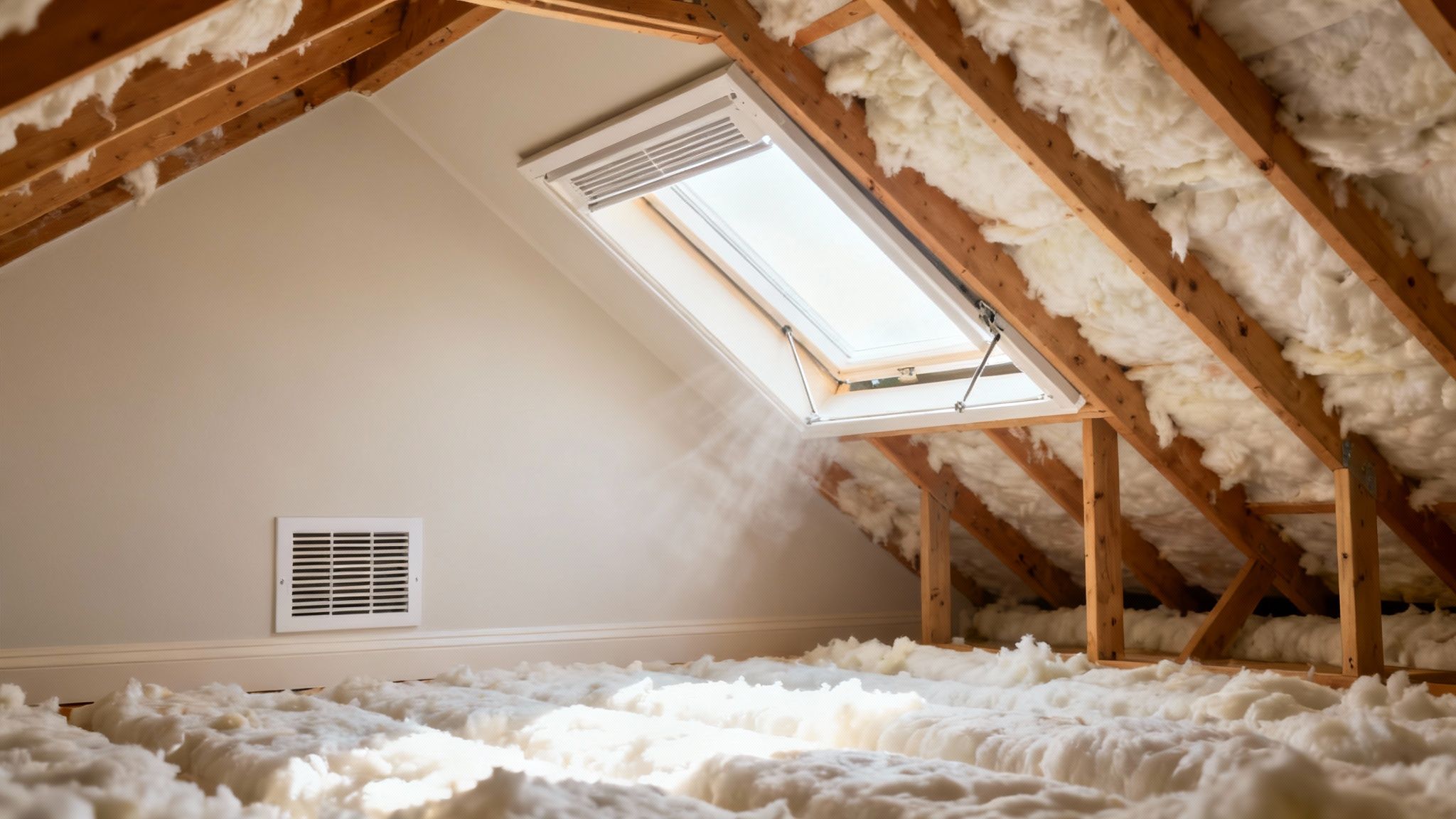
- Attic insulation and roof decking
- Air handler closets and AC drain lines
- Crawl spaces with limited airflow
- Behind kitchen or bathroom cabinets
- Inside wall cavities near plumbing
Because these areas are not visible during daily use, moisture can remain trapped for long periods before being detected.
Why DIY Moisture Control Often Falls Short
Homeowners sometimes rely on surface cleaning or portable fans to address dampness, but these methods rarely solve the underlying issue. Moisture control requires identifying the source and ensuring materials are thoroughly dried.
DIY approaches often fail because:
- Moisture inside walls cannot be seen
- Humidity levels are not properly measured
- Drainage or ventilation issues remain unresolved
- Airflow problems are not corrected
Professional inspection tools can detect moisture that would otherwise remain hidden.
Professional Mold Inspection and Moisture Detection Explained
A professional moisture inspection involves more than a visual check. In Lauderdale-by-the-Sea homes, inspectors typically:
- Measure humidity levels throughout the home
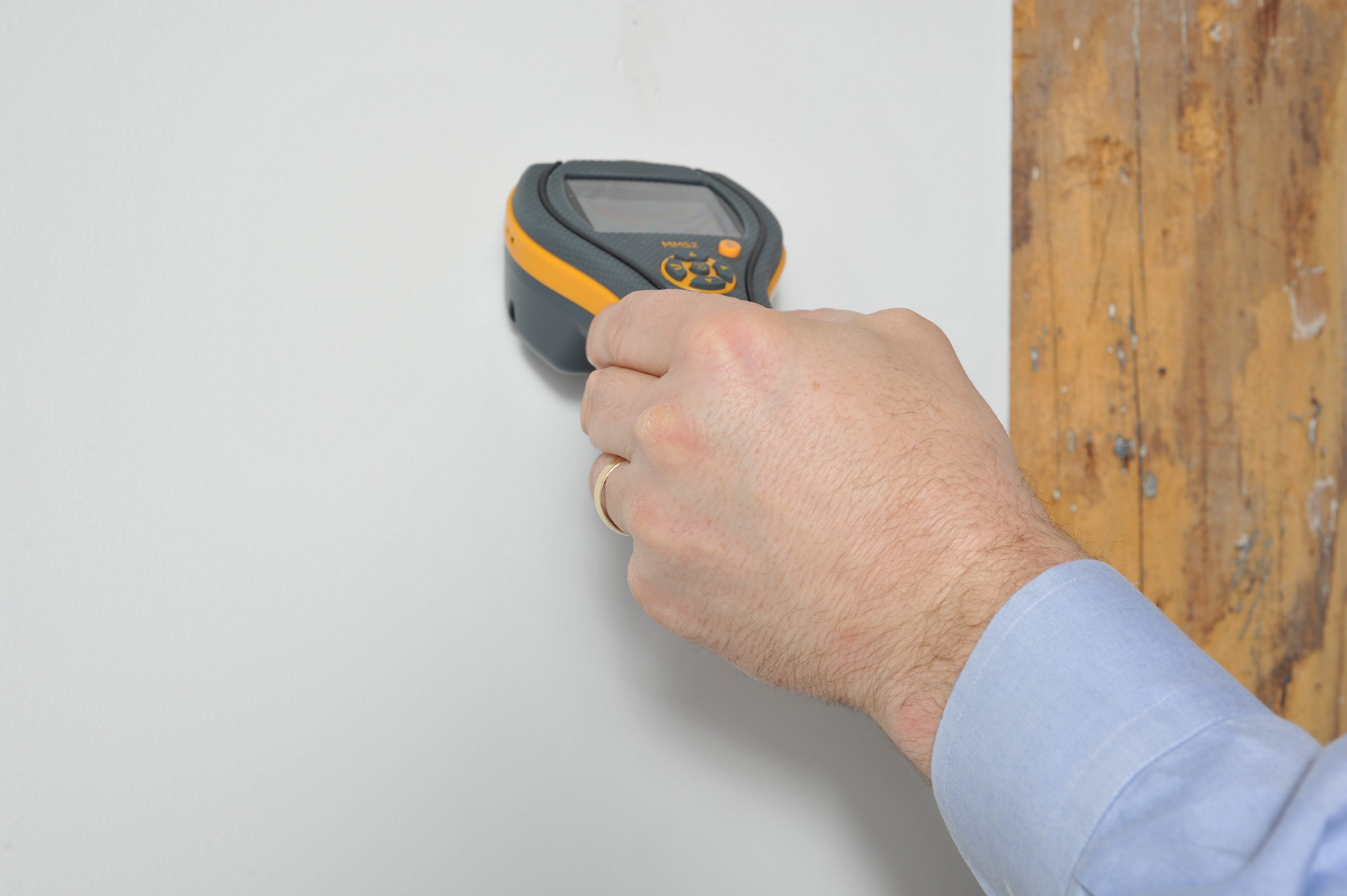
- Use moisture meters to check walls and flooring
- Inspect attic and crawl space conditions
- Evaluate HVAC systems and ductwork
- Identify sources of condensation or leaks
Pompano Mold Inspection and Testing often performs these types of inspections in Lauderdale-by-the-Sea and nearby Broward County communities, helping homeowners understand moisture conditions before serious damage develops.
Proper Mold Removal and Remediation When Needed
If excessive moisture has already caused mold growth, remediation may be necessary. Proper remediation focuses on both removal and prevention.
Typical steps include:
- Identifying and repairing the moisture source
- Containing affected areas
- Cleaning and sanitizing surfaces
- Removing damaged materials when necessary
- Drying the structure and stabilizing humidity
Addressing moisture is always the most important part of remediation.
Flood Restoration and Water Damage Repair
Coastal storms and heavy rainfall occasionally lead to flooding in Lauderdale-by-the-Sea homes. Flood restoration may involve:
- Water extraction
- Structural drying
- Dehumidification
- Repair of damaged drywall or flooring
- Monitoring moisture levels until materials are stable
Prompt action after flooding significantly reduces the risk of long-term damage.
Air Ducts, AC Systems, and Moisture Control
Air conditioning systems play a major role in moisture control in South Florida homes. When AC systems are properly maintained, they remove humidity effectively. However, clogged drain lines or poor airflow can allow moisture to accumulate.
Moisture problems in HVAC systems may lead to:
- Mold growth in duct insulation
- Musty odors from vents
- Reduced cooling efficiency
- Increased indoor humidity
Routine maintenance and duct inspections help prevent these issues.
How to Prevent Moisture Problems in Lauderdale-by-the-Sea Homes
Preventive maintenance is the most effective way to control moisture. Homeowners can reduce risks by:
- Keeping AC systems serviced regularly
- Inspecting roofs and plumbing for leaks
- Ensuring attic ventilation is functioning properly
- Using dehumidifiers during humid periods
- Cleaning gutters and maintaining proper drainage
- Checking around windows and doors for water intrusion
Small maintenance steps can prevent large repairs later.
Why Local Experience Matters
Moisture behaves differently in coastal environments than in inland or dry climates. Professionals familiar with Lauderdale-by-the-Sea understand:
- How salt air and humidity affect building materials
- Typical moisture patterns in Broward County homes
- Common ventilation and drainage challenges in coastal properties
Local knowledge helps inspections be more accurate and solutions more effective.
A Practical Next Step for Homeowners
Moisture control is an ongoing part of home maintenance in coastal Florida. Regular inspections, proper ventilation, and prompt repairs help protect both the structure and indoor air quality.
When homeowners take a proactive approach to moisture control, they reduce the risk of mold, protect property value, and maintain a more comfortable indoor environment year-round.