

How to Prevent Future Damage: Mold Remediation in Deerfield Beach After Plumbing Leaks
Plumbing leaks are one of the most common causes of mold problems in Deerfield Beach homes. Even small, slow leaks can introduce enough moisture to support mold growth behind walls, under floors, and inside cabinets. Many homeowners do not realize there is an issue until odors, staining, or structural damage appears.
Mold remediation after a plumbing leak is not just about removing visible mold. Preventing future damage requires understanding how leaks affect building materials, why mold develops, and what steps actually stop the problem from returning. In Deerfield Beach’s humid environment, proper remediation and moisture control are especially important.
Why Plumbing Leaks Lead to Mold So Quickly
Mold needs moisture, organic material, and time. Plumbing leaks provide all three. Water from supply lines, drain pipes, or fixtures often stays hidden inside walls or under flooring, creating a constant moisture source.
In Deerfield Beach homes, warm temperatures and high humidity accelerate mold growth. Even a slow drip behind a wall can keep materials damp long enough for mold to establish itself.
Because plumbing leaks are often concealed, moisture can spread before any visible signs appear. By the time damage is noticed, mold growth may already be well developed.
Common Plumbing Leak Sources in Deerfield Beach Homes
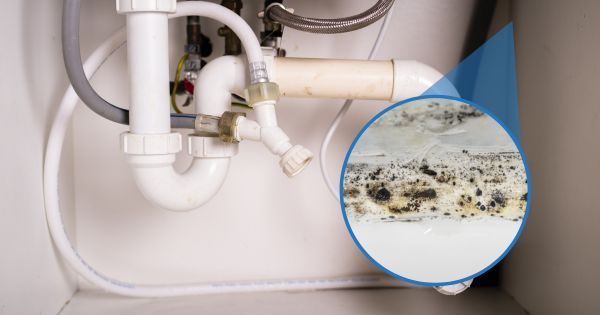
Leaks can occur in many areas of the home. Under-sink plumbing in kitchens and bathrooms is a frequent source, especially where fittings loosen or corrosion develops.
Bathroom plumbing behind showers and tubs can leak into wall cavities. These leaks often go unnoticed because water does not immediately appear on floors.
Laundry room supply lines and washing machine hoses are another common problem area. Older hoses can fail suddenly or seep slowly over time.
In slab-on-grade homes, plumbing leaks beneath the slab can allow moisture to migrate upward into flooring and baseboards, making detection more difficult.
Early Warning Signs Homeowners Should Not Ignore
One of the first signs of a plumbing-related mold issue is a musty or damp odor that does not go away. This smell may be stronger near bathrooms, kitchens, or laundry areas.
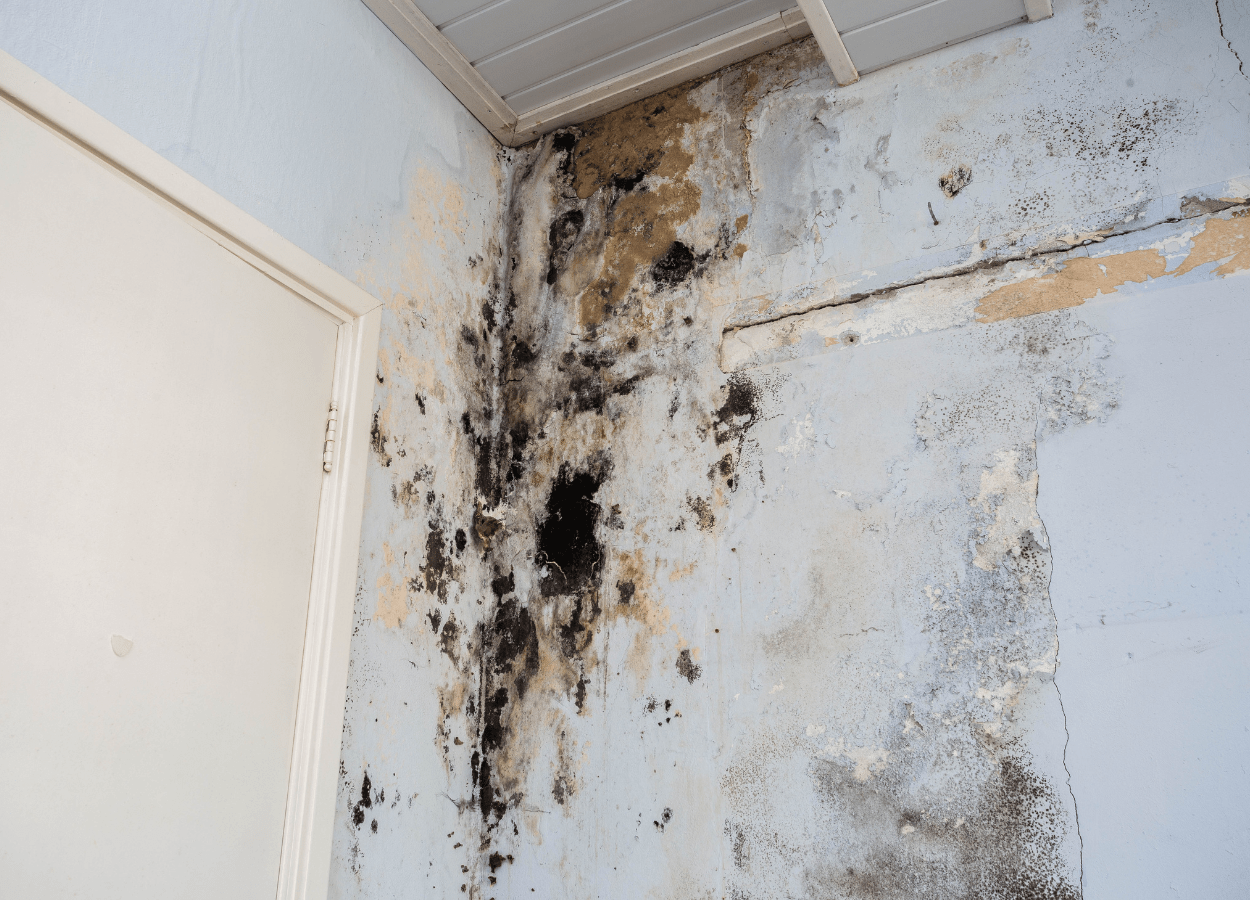
Discoloration on walls, ceilings, or baseboards often indicates moisture absorption. Paint that bubbles, peels, or cracks without a clear reason can point to a hidden leak.
Warped flooring, soft drywall, or cabinets that feel damp are additional warning signs. In some cases, homeowners notice increased humidity or condensation in a specific room.
Ignoring these signs allows moisture and mold to continue spreading behind surfaces.
Hidden Damage Caused by Plumbing Leaks
The most serious damage from plumbing leaks often occurs out of sight. Moisture trapped inside wall cavities can saturate insulation and framing.
Under flooring, water can remain trapped against the slab foundation or subfloor, creating ideal conditions for mold growth. This is common in bathrooms, kitchens, and laundry rooms.
Cabinet interiors and toe-kick areas beneath sinks frequently hide mold growth because airflow is limited and moisture remains trapped.
HVAC systems can also be affected if leaks occur near air handlers or ductwork, allowing moisture to spread further.
Why Mold Remediation Is Necessary After Leaks
Cleaning visible mold is not enough when plumbing leaks are involved. Mold often penetrates porous materials such as drywall, wood, insulation, and cabinetry.
Without proper remediation, mold remains active beneath the surface even if stains are removed. Moisture left behind continues to feed growth.
Mold remediation focuses on removing contaminated materials, cleaning affected areas, and restoring dry conditions so mold cannot return.
How Professional Mold Remediation Works After Plumbing Leaks
Mold remediation begins with a detailed inspection to identify the full extent of moisture and mold damage. Moisture detection tools help locate wet areas inside walls, floors, and cabinets.
Affected areas are contained to prevent spores from spreading. Materials that cannot be effectively cleaned may need to be removed.
Surfaces are treated with professional-grade antimicrobial solutions, and HEPA filtration is used to capture airborne spores during the process.
Correcting the plumbing leak is a critical step. Without fixing the source, mold remediation will not be successful.
Pompano Mold Inspection and Testing regularly performs mold remediation in Deerfield Beach homes following plumbing-related water damage.
Drying and Moisture Control After Remediation
Thorough drying is essential to prevent future mold growth. Drying equipment is used to remove moisture from walls, flooring, and surrounding materials.
Moisture levels are monitored to ensure materials return to safe ranges before repairs are completed. Rebuilding too soon can trap moisture and cause mold to return.
Proper drying is one of the most effective ways to prevent long-term damage after a leak.
Repairs That Help Prevent Mold From Returning
After remediation and drying, damaged materials may need repair or replacement. This can include drywall, baseboards, cabinetry, or flooring.
Repairs should improve moisture resistance where possible. Sealing penetrations, improving ventilation, and upgrading plumbing components help reduce future risk.
Ensuring proper access to plumbing areas allows leaks to be detected earlier if they occur again.
Preventive Steps Homeowners Can Take
Regular plumbing inspections help identify small leaks before they cause damage. Pay attention to changes in water pressure or unexplained increases in water bills.
Avoid storing items tightly under sinks, as this can hide leaks. Periodically check cabinets and plumbing connections for moisture.
Maintain balanced indoor humidity with proper AC use and ventilation. Use exhaust fans in bathrooms and kitchens to reduce moisture buildup.
After any plumbing repair or leak, consider a moisture inspection to confirm the area is fully dry.
The Role of HVAC Systems in Leak-Related Mold Issues
Plumbing leaks near air handlers or ductwork can introduce moisture into HVAC systems. This can spread mold spores through the home if not addressed.
Inspecting HVAC components after leaks helps ensure moisture has not entered the system. Duct inspection or cleaning may be recommended if contamination is suspected.
Proper AC drainage and insulation also help reduce overall indoor moisture levels.
Why Local Experience Matters in Deerfield Beach
Deerfield Beach homes face specific challenges related to climate, construction styles, and plumbing layouts. Slab foundations and coastal humidity increase mold risk after leaks.
Professionals with local experience understand where leaks commonly occur and how moisture behaves in South Florida homes.
Pompano Mold Inspection and Testing brings this local knowledge to Deerfield Beach, Pompano Beach, Lighthouse Point, Boca Raton, and surrounding Broward County areas.
A Practical Next Step for Homeowners
If your home has experienced a plumbing leak, addressing moisture and mold promptly helps prevent future damage. Professional mold remediation provides clarity, removes contamination, and restores dry conditions.
Taking a proactive, informed approach after plumbing leaks is one of the most effective ways to protect Deerfield Beach homes from ongoing mold problems.