North Lauderdale Water Removal in Older Homes: Practical Tips That Work
Older homes in North Lauderdale often have unique construction features and aging materials that make them more vulnerable to water intrusion and moisture damage. Plumbing systems, roofing materials, and drainage components may not perform as efficiently as they once did, and even small leaks can lead to significant water accumulation over time. Understanding how water removal works and how to respond effectively can help homeowners protect their property and prevent long-term damage.
What Water Removal Involves
Water removal is the process of extracting standing water, drying affected materials, and restoring normal moisture levels inside a home. It is usually necessary after:
- Plumbing leaks
- Appliance failures
- Roof leaks
- Flooding or stormwater intrusion
- AC condensation problems
Removing water quickly is important because moisture can begin damaging materials within a short period of time.
Why Older Homes in North Lauderdale Are More Vulnerable
Older homes often face higher risks of water damage due to several factors:
- Aging plumbing lines and fittings
- Older roofing systems
- Settling foundations that affect drainage
- Outdated insulation and ventilation
- Less efficient waterproofing materials
These conditions can allow moisture to enter areas that newer homes may better resist.
Common Signs Homeowners Notice
Water problems in older homes often begin with subtle warning signs. Homeowners may notice:
- Musty odors in certain rooms
- Stains on ceilings or walls
- Warped flooring or baseboards
- Increased indoor humidity
- Peeling paint or bubbling drywall
These signs usually indicate that moisture has been present for some time.
Hidden or Overlooked Sources of Water Damage
In North Lauderdale homes, inspectors frequently find hidden moisture in areas such as:
- Beneath flooring and carpet padding
- Inside wall cavities near plumbing
- Crawl spaces and attic insulation
- Around windows and door frames
- Air handler closets and AC drain lines
Because these areas are not visible, water damage can progress before it is detected.
Why DIY Water Removal Often Falls Short
Many homeowners attempt to dry affected areas using household fans or mops. While this may remove visible water, it often does not address moisture trapped inside materials.
DIY methods may fail because:
- Subfloors and insulation remain damp
- Humidity levels are not controlled
- Drying is incomplete
- Mold growth may begin before drying is finished
Professional equipment is designed to remove deep moisture and monitor drying progress.
Professional Inspection and Water Removal Process
A professional water removal process typically begins with a detailed inspection. In North Lauderdale properties, technicians often:
- Identify the source of water intrusion
- Measure moisture levels in walls and flooring
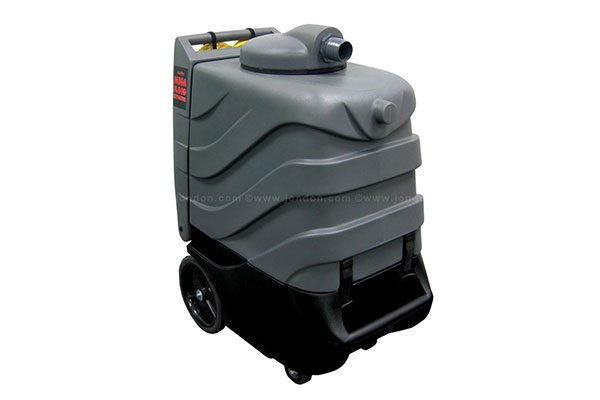
- Extract standing water using specialized equipment
- Use air movers and dehumidifiers to dry materials
- Monitor moisture levels until drying is complete
Pompano Mold Inspection and Testing frequently evaluates moisture and water damage in North Lauderdale and nearby Broward County communities, helping homeowners understand the extent of damage before repairs begin.
Mold Removal and Remediation Considerations
If water damage is not addressed quickly, mold may develop. When mold is present, remediation may include:
- Removing contaminated materials
- Cleaning and sanitizing affected areas
- Drying structural components thoroughly
- Correcting moisture sources
Addressing moisture is the most important step in preventing mold from returning.
Flood Restoration and Structural Repairs
In cases of significant water intrusion, restoration may involve:
- Repairing drywall or baseboards
- Replacing damaged flooring
- Drying framing and insulation
- Monitoring humidity levels
These steps help ensure the structure is restored safely.
Air Ducts, AC Systems, and Moisture
Older homes sometimes have aging HVAC systems or ductwork that can contribute to moisture problems. Condensation or leaks may lead to:
- Musty odors circulating through vents
- Mold growth inside ducts
- Reduced cooling efficiency
Inspecting ducts and maintaining AC systems helps reduce these risks.
Practical Tips That Work for Preventing Water Damage
Homeowners in North Lauderdale can reduce water damage risks by following practical maintenance steps:
- Inspect plumbing and supply lines regularly
- Repair roof damage promptly
- Clean gutters and maintain drainage systems
- Keep AC drain lines clear
- Monitor indoor humidity levels
Regular inspections often catch small issues before they become major repairs.
Why Local Experience Matters
Water damage in South Florida homes is influenced by climate, building materials, and storm patterns. Professionals familiar with North Lauderdale understand:
- How humidity affects older construction materials
- Typical drainage challenges in Broward County neighborhoods
- Common plumbing issues in aging homes
This experience helps inspections and repairs be more accurate and effective.
A Practical Next Step for Homeowners
Water removal in older homes requires careful drying, moisture detection, and repair of the underlying cause. Acting quickly after a leak or flood helps protect structural materials, reduce mold risk, and maintain a safe indoor environment.
With proper inspection and timely repairs, homeowners in North Lauderdale can keep older homes dry, stable, and comfortable for years to come.