Understanding Water Damage Repair in Coconut Creek: Step-by-Step Process Explained
Water damage is one of the most common problems homeowners and property managers face in Coconut Creek. Between heavy seasonal rains, plumbing leaks, humidity, and air-conditioning condensation, moisture can enter homes in ways that are not always immediately visible. When water damage occurs, proper repair is essential to prevent structural deterioration, mold growth, and indoor air quality issues. Understanding the step-by-step repair process helps property owners know what to expect and how to respond effectively.
What Water Damage Is and Why It Matters
Water damage happens when excess moisture penetrates building materials such as drywall, wood, insulation, or flooring. These materials absorb water quickly and can begin to weaken if not dried properly.
Common sources of water damage include:
- Plumbing leaks
- Appliance failures
- Roof leaks
- Flooding after heavy storms
- AC condensation or drainage problems
Even small leaks can lead to serious problems when moisture remains trapped inside walls or under flooring.
Why Water Damage Is Common in Coconut Creek
Homes in Coconut Creek face several environmental conditions that increase the likelihood of moisture problems:
- High humidity levels year-round
- Frequent rain and storm activity
- Continuous air-conditioning use
- Poor ventilation in some attics and crawl spaces
- Aging plumbing in older homes
Because humidity slows evaporation, materials in South Florida often take longer to dry, increasing the risk of mold growth.
Common Signs Homeowners Notice
Water damage often begins with subtle warning signs. Property owners frequently notice:
- Water stains on ceilings or walls
- Warped or swollen flooring
- Musty odors
- Peeling paint or bubbling drywall
- Damp or humid indoor air
These signs usually indicate that moisture has been present long enough to affect building materials.
Hidden or Overlooked Sources of Water Damage
In many Coconut Creek homes, water damage starts in areas that are not easily visible. Inspectors often find moisture in:
- Wall cavities near plumbing lines
- Beneath flooring or carpet padding
- Attic insulation and roof decking
- Air handler closets and AC drain lines
- Behind cabinets and appliances
Because these areas remain hidden, moisture can continue causing damage without being noticed.
Why DIY Repairs Usually Fall Short
Homeowners sometimes attempt to dry affected areas using household fans or basic cleaning methods. While this may remove surface moisture, it rarely dries materials completely.
DIY repairs often fall short because:
- Moisture inside walls and subfloors remains
- Humidity levels are not controlled
- Structural drying equipment is not available
- Mold growth may begin before drying is complete
Professional repair ensures that moisture is fully removed and underlying causes are corrected.
Step-by-Step Water Damage Repair Process
A professional water damage repair process in Coconut Creek usually follows a structured sequence to ensure effective results.
Step 1: Inspection and Moisture Detection
Technicians perform a detailed inspection to determine the source of water intrusion and the extent of damage. Moisture meters and thermal imaging tools help locate hidden damp areas.
Step 2: Water Extraction
Standing water is removed using high-capacity extraction equipment. This step prevents further absorption into building materials.
Step 3: Removal of Damaged Materials
If drywall, insulation, or flooring has been severely affected, these materials may need to be removed to allow proper drying.
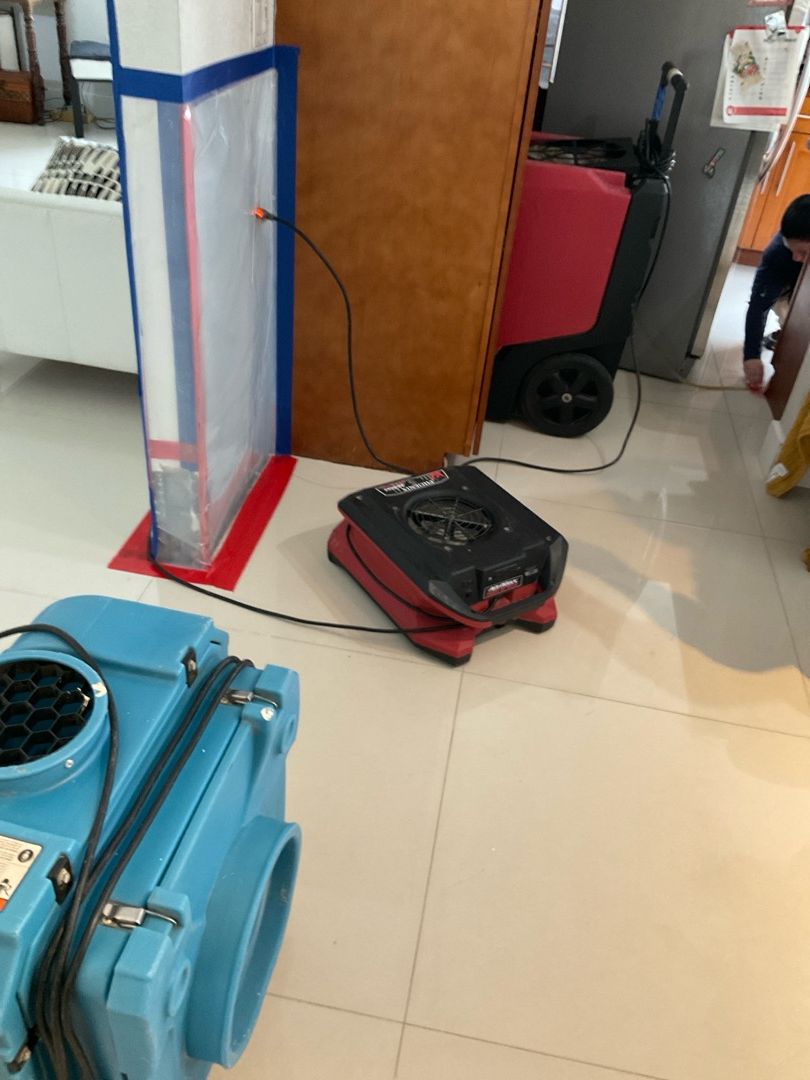
Step 4: Structural Drying
Air movers and dehumidifiers are used to remove moisture from structural components such as framing, subfloors, and concrete.
Step 5: Cleaning and Sanitizing
Affected areas are cleaned to reduce odors and contaminants, helping restore safe indoor conditions.
Step 6: Repairs and Restoration
Once materials are dry, repairs such as replacing drywall, repainting, or reinstalling flooring may be completed.
Pompano Mold Inspection and Testing often evaluates moisture damage and drying conditions in Coconut Creek and surrounding Broward County communities, helping property owners understand the repair process and ensure proper restoration.
Mold Removal and Remediation Considerations
Water damage and mold are closely connected. When moisture remains trapped, mold may begin to grow within a short period of time.
If mold is discovered, remediation may include:
- Containing affected areas
- Removing contaminated materials
- Cleaning and sanitizing surfaces
- Stabilizing humidity levels
Addressing moisture sources is essential to prevent mold from returning.
Flood Restoration and Water Damage Repair
Severe storms or plumbing failures may require flood restoration, which often involves:
- Water extraction
- Structural drying
- Replacement of damaged materials
- Monitoring moisture levels until stable
These steps help restore the property safely and prevent long-term damage.
Air Ducts, AC Systems, and Moisture
Air conditioning systems can be affected during water damage events, especially if humidity levels rise. Moisture in HVAC systems may lead to:
- Condensation inside ducts
- Musty odors from vents
- Reduced cooling efficiency
Inspecting ducts and maintaining AC systems helps ensure indoor air quality remains stable after repairs.
How to Prevent Future Water Damage
Property owners in Coconut Creek can reduce the risk of future problems by taking preventive steps:
- Inspect plumbing and appliances regularly
- Maintain roofs and gutters
- Keep AC drain lines clear
- Monitor humidity levels indoors
- Address leaks immediately
Preventive maintenance often saves time and repair costs later.
Why Local Experience Matters
Water damage repair in South Florida requires an understanding of local climate conditions and construction methods. Professionals familiar with Coconut Creek understand:
- How humidity affects drying times
- Common building materials used in Broward County
- Typical moisture patterns after storms
This experience helps ensure repairs are thorough and effective.
A Practical Next Step for Property Owners
Water damage repair is most effective when addressed quickly and methodically. A step-by-step approach ensures that moisture is fully removed, structural materials are protected, and indoor air quality remains stable.
By responding promptly and maintaining proper moisture control, homeowners in Coconut Creek can prevent small problems from becoming major repairs.