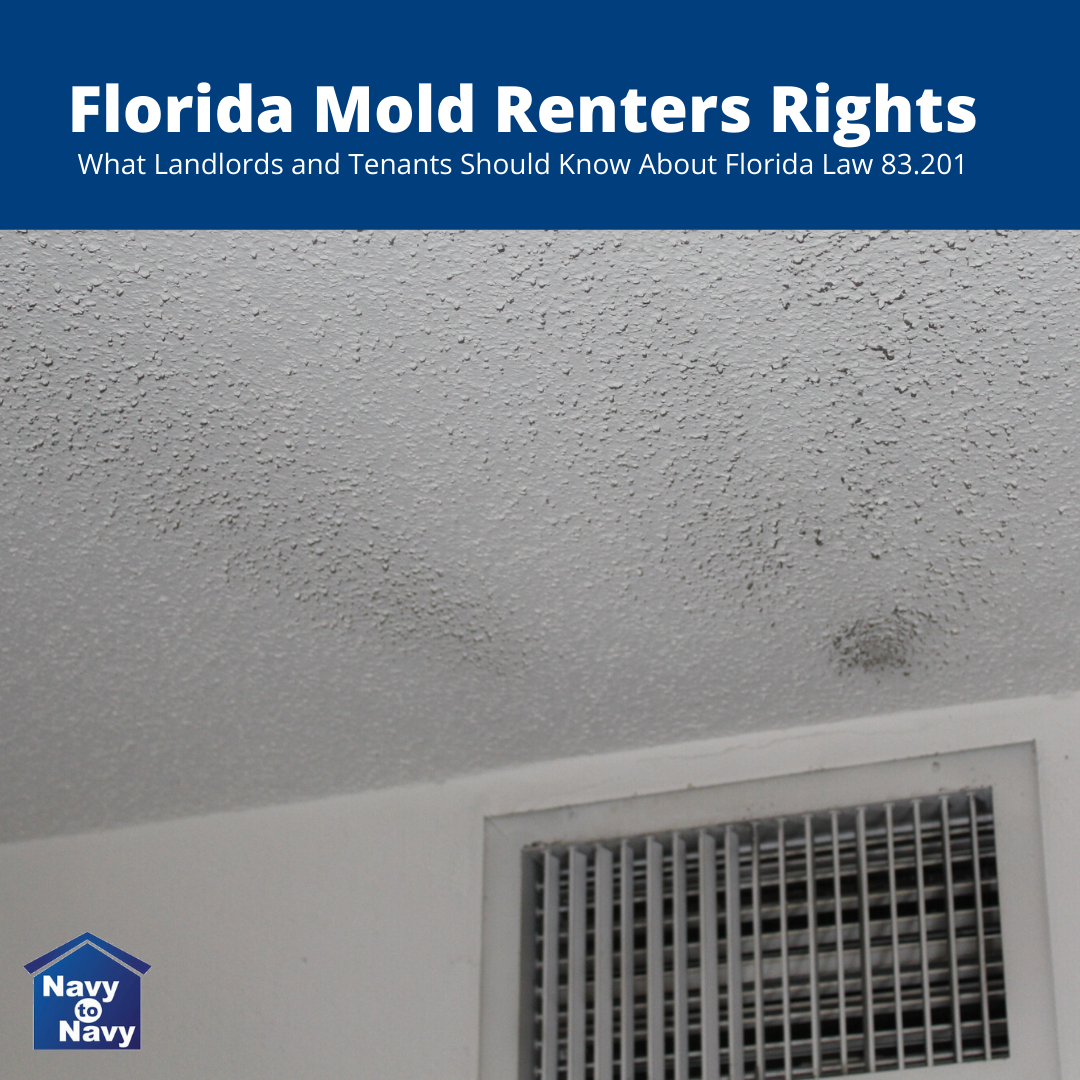
Moisture control is a critical concern for rental properties in Fort Lauderdale. Coastal humidity, heavy rains, and storm events create an environment where water can infiltrate walls, floors, and HVAC systems, leading to mold growth, structural damage, and poor indoor air quality. For landlords and property managers, professional moisture control ensures rental units remain safe, habitable, and compliant with maintenance standards.
For rental properties in Fort Lauderdale and nearby areas such as Pompano Beach, Deerfield Beach, Lighthouse Point, Margate, Coconut Creek, North Lauderdale, and Lauderdale-by-the-Sea, understanding how moisture control services work can prevent costly repairs and tenant complaints.
What Home Moisture Control Services Include
Professional moisture control focuses on identifying, mitigating, and preventing excess moisture in rental properties. Services typically include:
- Moisture inspection using advanced meters and thermal imaging
- Detection of hidden leaks in walls, ceilings, and floors
- Assessment of HVAC systems and ductwork for condensation or water accumulation
- Recommendations for repairs, ventilation improvements, and humidity management
- Implementation of dehumidification or moisture extraction when needed
These services ensure that rental units remain dry, safe, and comfortable for tenants.
Step 1: Inspection and Assessment
The first step in professional moisture control is a thorough inspection of the property:
- Visual assessment – Checking for visible signs of water intrusion such as stains, mold, or peeling paint.
- Moisture measurement – Using meters to determine moisture levels in drywall, flooring, and other structural materials.
- Thermal imaging – Identifying hidden damp spots behind walls, ceilings, or under flooring.
- HVAC evaluation – Checking for condensation in ducts, drip pans, or air handlers.
A comprehensive inspection identifies all problem areas, even those hidden from plain view.
Step 2: Leak Detection and Source Identification
Moisture in rental properties often originates from leaks or condensation. Professionals locate sources using:
- Acoustic leak detection for plumbing systems
- Infrared cameras for roof or wall leaks
- Assessment of HVAC condensation lines
- Review of drainage systems and gutter performance
Identifying the source is critical to ensure that any corrective measures address the root cause, not just the symptoms.
Step 3: Moisture Mitigation and Water Removal
Once leaks or moisture-prone areas are identified, professionals take action to remove excess water and prevent further accumulation:
- Water extraction from carpets, flooring, or wall cavities if needed
- Industrial-grade dehumidifiers to lower indoor humidity
- Air movers to improve ventilation and speed drying
- Treatment of affected areas to prevent mold or microbial growth
Mitigation ensures that moisture does not continue to damage the property or compromise air quality.
Step 4: Repairs and Preventive Measures
After moisture is controlled, the next step is repairing affected areas and implementing preventive measures:
- Repairing plumbing leaks, roof penetrations, or HVAC issues
- Replacing water-damaged drywall, flooring, or insulation
- Sealing foundation cracks or window gaps
- Improving ventilation in kitchens, bathrooms, and attics
- Installing or maintaining dehumidifiers in high-humidity areas
These repairs and upgrades protect the property against future moisture problems and enhance tenant comfort.
Step 5: Monitoring and Follow-Up
Professional moisture control includes ongoing monitoring to ensure the property remains dry:
- Regular moisture inspections, especially after storms or plumbing repairs
- HVAC maintenance checks to prevent condensation issues
- Tenant education on reporting leaks or damp areas promptly
- Adjusting dehumidification systems as needed during humid months
Continuous monitoring helps landlords maintain safe, habitable rental properties while preventing costly damage.
Common Benefits for Rental Properties
Implementing professional moisture control in Fort Lauderdale rental properties provides several advantages:
- Reduces the risk of mold and microbial growth
- Protects structural integrity of walls, floors, and ceilings
- Improves indoor air quality for tenants
- Enhances HVAC efficiency and lifespan
- Minimizes tenant complaints and potential health concerns
- Reduces long-term maintenance and repair costs
Moisture control is a proactive approach to property management in coastal areas.
Why Local Expertise Matters
Fort Lauderdale’s climate, high humidity, and storm patterns create unique moisture challenges. Professionals familiar with Fort Lauderdale, Pompano Beach, Deerfield Beach, Lighthouse Point, Margate, Coconut Creek, North Lauderdale, and Lauderdale-by-the-Sea understand common problem areas and the most effective moisture control strategies for South Florida homes.
Local expertise ensures inspections, mitigation, and prevention are tailored to the environmental conditions and construction types typical of rental properties in the area.
A Calm, Practical Next Step for Landlords
Home moisture control services are essential for maintaining Fort Lauderdale rental properties in safe, livable condition. Professional inspections, mitigation, and preventive strategies protect tenants, preserve property value, and prevent costly mold or structural issues.
Partnering with a trusted local provider like Pompano Mold Inspection and Testing ensures rental properties remain dry, healthy, and well-maintained, even during Florida’s humid rainy season.