Home Moisture Control Solutions for Homes in Lauderdale-by-the-Sea: Inspection and Repair Guide
Homes in Lauderdale-by-the-Sea face constant exposure to humidity, coastal air, and seasonal storms. These conditions make moisture control an essential part of home maintenance. When moisture builds up inside walls, ceilings, or duct systems, it can lead to structural damage, mold growth, and reduced indoor air quality. Understanding how moisture develops, how inspections work, and how repairs are handled helps homeowners prevent long-term problems.
What Home Moisture Problems Are
Moisture problems occur when water or humidity accumulates faster than it can dry. This moisture may come from leaks, condensation, ventilation problems, or storm-related intrusion.
Common sources of indoor moisture include:
- Roof leaks or damaged flashing
- Plumbing leaks or appliance failures
- Air conditioning condensation
- Humid outdoor air entering the home
- Poor attic or crawl space ventilation
When moisture remains trapped in building materials, it can weaken structures and create conditions where mold can develop.
Why Moisture Problems Are Common in Lauderdale-by-the-Sea
Lauderdale-by-the-Sea homes are especially vulnerable to moisture due to several local factors:
- Coastal humidity throughout most of the year
- Frequent rainstorms and seasonal weather patterns
- Salt air that accelerates material wear
- Continuous use of air conditioning systems
- Wind-driven rain during storms
These conditions make moisture control a regular part of maintaining a property in this area.
Common Signs Homeowners Notice
Moisture problems often begin with subtle warning signs. Homeowners may notice:
- Musty or damp odors in certain rooms
- Peeling paint or bubbling drywall
- Condensation on windows or vents
- Warped baseboards or flooring
- Damp closets or cabinets
These signs often indicate hidden moisture that should be inspected before damage becomes more serious.
Hidden or Overlooked Sources of Moisture
Many moisture problems originate in areas that are rarely inspected. In Lauderdale-by-the-Sea homes, inspectors frequently find moisture in:
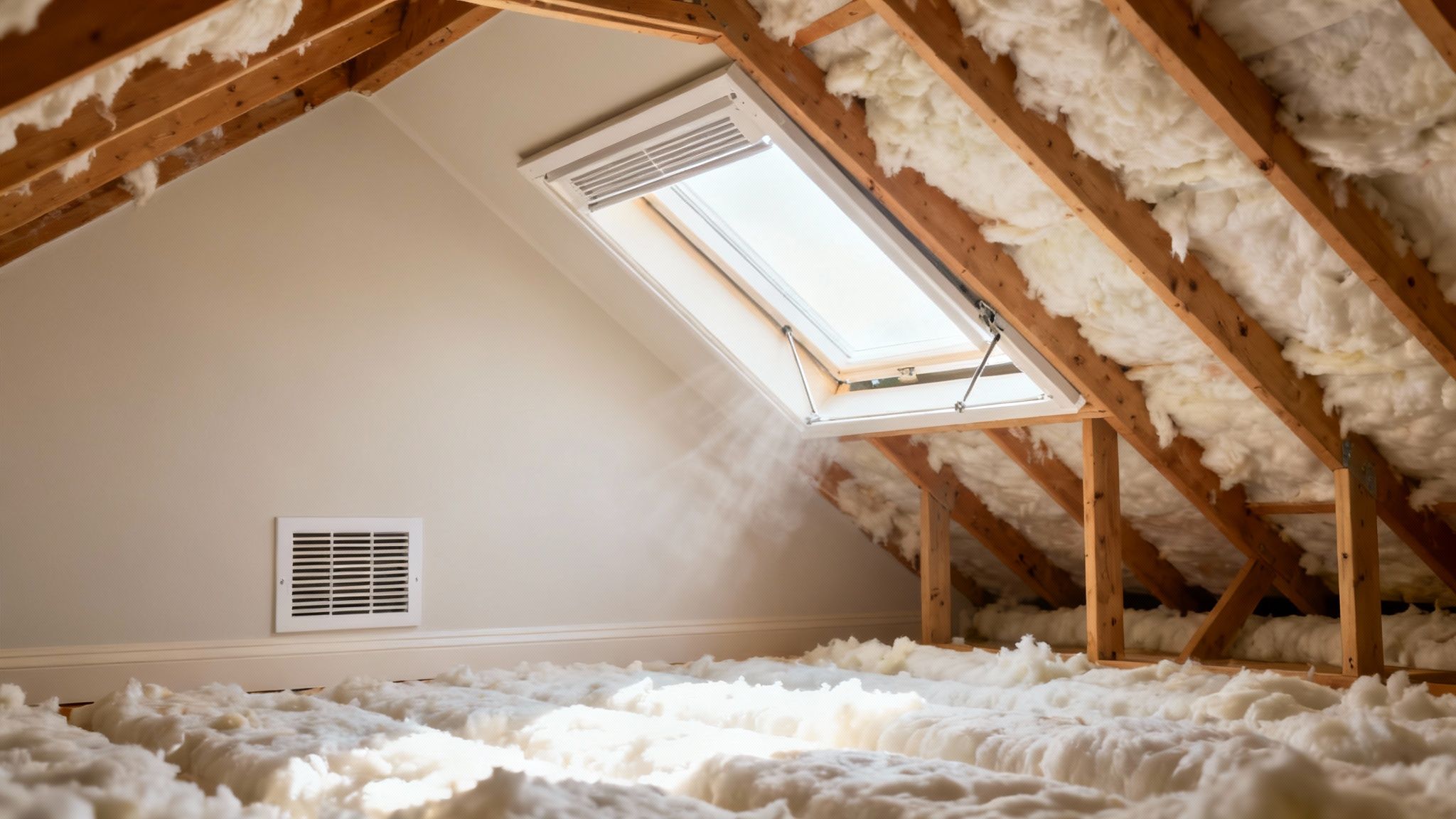
- Attic insulation and roof decking
- Inside wall cavities near plumbing lines
- Air handler closets and AC drain pans
- Beneath flooring or carpet padding
- Crawl spaces with limited airflow
Because these areas are difficult to access, moisture can remain unnoticed for long periods.
Why DIY Moisture Control Often Falls Short
Homeowners sometimes attempt to solve moisture issues using fans or surface cleaning, but these methods rarely address the underlying cause.
DIY approaches often fail because:
- Moisture inside walls cannot be seen
- Humidity levels are not properly measured
- Drainage or ventilation problems remain unresolved
- Drying is incomplete
Professional inspection tools help identify moisture that is not visible to the eye.
Professional Moisture Inspection Explained
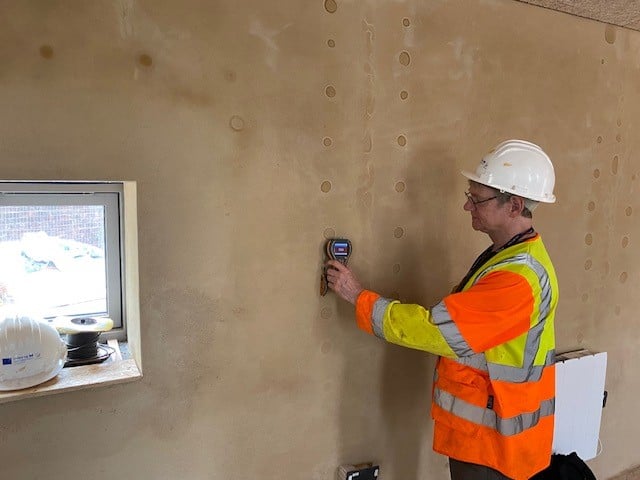
A professional inspection is the first step in effective moisture control. In Lauderdale-by-the-Sea homes, inspectors typically:
- Measure humidity levels throughout the property
- Use moisture meters to test walls, ceilings, and flooring
- Inspect attic and crawl space ventilation
- Check HVAC systems and ductwork
- Identify leaks or condensation sources
Pompano Mold Inspection and Testing often performs moisture inspections in Lauderdale-by-the-Sea and nearby Broward County communities, helping homeowners understand indoor moisture conditions before serious damage develops.
Repair Solutions for Moisture Problems
Once the source of moisture is identified, repairs can begin. Common solutions include:
- Repairing roof or plumbing leaks
- Improving attic ventilation
- Clearing AC drain lines
- Sealing windows and doors
- Replacing water-damaged materials
Each repair focuses on eliminating the moisture source and restoring normal humidity levels.
Mold Removal and Remediation When Necessary
If moisture has already led to mold growth, remediation may be required. Proper remediation typically involves:
- Identifying and correcting the moisture source
- Containing affected areas
- Cleaning and sanitizing surfaces
- Removing damaged materials when necessary
- Drying the structure thoroughly
Addressing moisture is the most important part of preventing mold from returning.
Flood Restoration and Water Damage Repair
In coastal communities like Lauderdale-by-the-Sea, storms occasionally cause flooding or significant water intrusion. Flood restoration may include:
- Water extraction
- Structural drying
- Dehumidification
- Repair of drywall, flooring, or insulation
- Monitoring moisture levels until materials stabilize
Prompt restoration helps reduce long-term structural damage.
Air Ducts, AC Systems, and Moisture Control
Air conditioning systems play a major role in managing indoor humidity. However, clogged drain lines or poor airflow can allow moisture to accumulate.
Moisture in HVAC systems may lead to:
- Musty odors from vents
- Mold growth in duct insulation
- Reduced cooling efficiency
- Increased indoor humidity
Routine maintenance and periodic duct inspections help keep systems functioning properly.
How Homeowners Can Prevent Future Moisture Damage
Preventive maintenance is the most effective way to control moisture. Homeowners in Lauderdale-by-the-Sea can reduce risks by:
- Scheduling regular HVAC maintenance
- Inspecting roofs and plumbing annually
- Keeping gutters and drainage systems clear
- Using dehumidifiers during humid periods
- Ensuring attic ventilation is working properly
These steps help keep humidity levels stable and prevent moisture buildup.
Why Local Experience Matters
Moisture behavior in coastal South Florida is different from many other regions. Professionals familiar with Lauderdale-by-the-Sea understand:
- How coastal humidity affects building materials
- Typical ventilation challenges in Broward County homes
- Common storm-related moisture patterns
This local knowledge helps inspections and repairs be more accurate and effective.
A Practical Next Step for Homeowners
Moisture control is an ongoing part of maintaining a home in Lauderdale-by-the-Sea. Regular inspections, timely repairs, and proper ventilation help protect structural materials, improve indoor air quality, and reduce the risk of mold growth.
Taking a proactive approach allows homeowners to prevent future damage and maintain a comfortable, stable indoor environment throughout the year.