
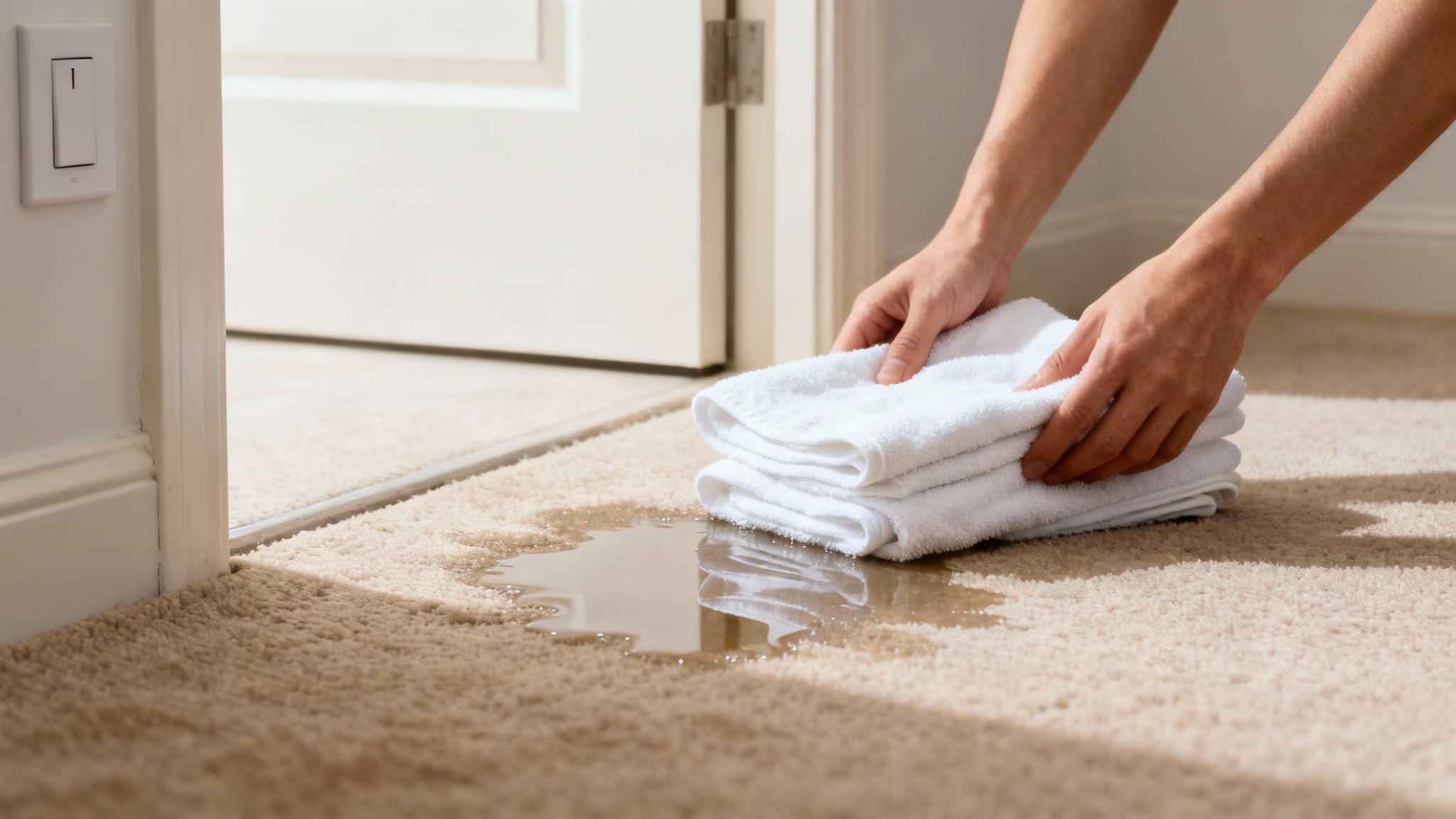
Understanding Carpet Cleaning After Water Damage in Lauderdale-by-the-Sea: Costs, Causes, and Solutions
Water damage is a common issue in Lauderdale-by-the-Sea homes, especially those close to the coast. Heavy rain, tropical storms, plumbing leaks, and AC condensation can all leave carpets soaked before homeowners realize the extent of the problem. What looks like a simple wet carpet often hides deeper moisture issues that require proper cleaning and drying to prevent long-term damage.
Carpet cleaning after water damage is not just about restoring appearance. In a humid coastal environment, it plays a critical role in moisture control, odor prevention, and protecting the materials beneath the carpet.
Why Water-Damaged Carpets Are a Serious Concern
Carpets absorb water quickly. Once moisture reaches carpet fibers, it moves down into the padding and often into the slab or subfloor below. In Lauderdale-by-the-Sea, high humidity slows the drying process, allowing moisture to remain trapped long after the surface feels dry.
This trapped moisture can cause odors, material breakdown, and secondary moisture issues in walls and baseboards. Without proper cleaning and drying, carpets continue to affect the home even after visible water is gone.
Common Causes of Carpet Water Damage in Coastal Homes
Storm-related water intrusion is one of the most common causes. Wind-driven rain can enter through doors, windows, or minor exterior gaps and spread across carpeted areas.
AC-related moisture is another frequent source. Condensation from clogged drain lines, overflowing drip pans, or sweating ductwork can slowly soak carpets without obvious flooding. Plumbing leaks under sinks, behind walls, or near water heaters also contribute to carpet saturation.
In slab foundation homes, moisture can migrate upward through flooring after prolonged rain or flooding.
Why Lauderdale-by-the-Sea Homes Are More Vulnerable
Coastal homes face constant moisture pressure. High humidity, salt air, and frequent storms make drying more difficult and increase the risk of lingering dampness.
Slab foundations limit airflow beneath floors, trapping moisture under carpet and padding. Many homes rely heavily on air conditioning, which can add condensation to already damp conditions if systems are not functioning properly.
These factors make professional carpet cleaning after water damage especially important in this area.
Early Signs Carpets Need Professional Attention
Water damage isn’t always obvious. Homeowners may notice musty odors, damp or sticky carpet, or discoloration along edges near walls.
Carpet padding may feel soft or uneven underfoot. Baseboards may begin to warp, or stains may appear days after the initial water event. These signs often indicate moisture remains trapped beneath the carpet surface.
Ignoring these early signs allows moisture to spread and increases repair costs later.
Why Drying Alone Is Not Enough
Many homeowners use fans or dehumidifiers after water damage. While helpful, these methods rarely remove all moisture from carpet padding and underlying materials.
Water can remain trapped beneath carpets, especially in thicker padding or along edges near walls. Without professional extraction and cleaning, moisture continues to affect the slab, baseboards, and nearby walls.
Proper carpet cleaning focuses on removing water completely, not just drying what’s visible.
How Professional Carpet Cleaning After Water Damage Works
Professional carpet cleaning after water damage begins with thorough water extraction using specialized equipment. This removes water from both carpet fibers and padding.
Moisture levels are then measured to ensure materials are drying properly. In some cases, padding may need to be replaced if it cannot be fully dried. Cleaning removes contaminants left behind by storm water, plumbing leaks, or AC condensation.
This process helps restore carpets while protecting the structure beneath them.
Understanding the Cost Factors Involved
The cost of carpet cleaning after water damage depends on several factors. The size of the affected area, how long the carpet was wet, and whether padding or subfloor materials are involved all play a role.
Minor water exposure addressed quickly is usually less costly. Delayed response often leads to deeper moisture penetration, additional drying time, or material replacement, increasing overall cost.
Proper assessment helps ensure money is spent on what actually needs attention.
Hidden Problems Beneath Water-Damaged Carpets
One of the biggest risks is what happens underneath the carpet. Wet padding can break down and trap moisture against the slab, allowing dampness to spread outward.
This moisture can migrate into baseboards, drywall, and wall cavities. Over time, it contributes to persistent odors and creates conditions where mold can develop if left unaddressed.
Carpet cleaning combined with moisture detection helps identify whether water has spread beyond the carpet itself.
Carpet Cleaning as Part of Water Damage Restoration
In many Lauderdale-by-the-Sea homes, carpet cleaning is just one part of a larger restoration process. Water may have affected walls, ducts, or AC systems at the same time.
Carpet cleaning often works alongside water removal, moisture detection, air duct cleaning, and AC-related moisture repairs. Addressing everything together reduces the risk of recurring odors and moisture problems.
This comprehensive approach is especially important in coastal environments.
Preventing Future Carpet Water Damage
Prevention starts with addressing moisture sources. Regular AC maintenance helps prevent condensation-related leaks. Drain lines, drip pans, and duct insulation should be checked periodically.
After storms, homeowners should inspect entry points and address water intrusion promptly. Monitoring indoor humidity and responding quickly to leaks or spills helps protect carpets long-term.
In coastal homes, proactive moisture detection can prevent repeat carpet damage.
Why Local Experience Matters in Lauderdale-by-the-Sea
Water damage behaves differently in coastal South Florida than in other regions. Professionals familiar with Lauderdale-by-the-Sea understand how humidity, slab foundations, and storm patterns affect drying and restoration.
Local experience helps ensure carpet cleaning after water damage is done thoroughly and correctly. Companies like Pompano Mold Inspection and Testing bring that regional understanding when addressing moisture-related carpet issues in coastal homes.
A Practical Approach to Carpet Recovery
Carpet cleaning after water damage is not just a cosmetic fix. In Lauderdale-by-the-Sea, it’s a critical step in controlling moisture, preventing secondary damage, and protecting the home’s structure.
Understanding the causes, costs, and proper solutions allows homeowners to act quickly and make informed decisions. With the right approach, water-damaged carpets can be restored safely while reducing the risk of future moisture problems in a demanding coastal climate.