
Understanding Water Removal in Lighthouse Point: Practical Tips That Work
Water intrusion is a common issue for homes in Lighthouse Point. Waterfront properties, high water tables, seasonal storms, and year-round air conditioning all increase the risk of water entering living spaces. Whether the source is a storm surge, plumbing leak, AC failure, or roof issue, how water is handled in the first hours makes a major difference in the outcome.
Effective water removal is not just about drying what you can see. In Lighthouse Point homes, moisture often spreads beneath flooring, into walls, and around HVAC systems. Understanding how water behaves and which practical steps actually work helps homeowners limit damage and prevent long-term problems.
What Water Removal Really Means
Water removal is the process of extracting visible water and eliminating hidden moisture from building materials. It is the first and most critical step after any water intrusion.
In coastal homes, water does not stay contained. It moves through porous materials such as drywall, wood, carpet padding, and insulation. Even hard surfaces like tile can trap moisture underneath.
Proper water removal focuses on restoring dry conditions throughout the structure, not just drying the surface.
Why Lighthouse Point Homes Are More Vulnerable
Lighthouse Point’s location near canals and the coast increases exposure to water intrusion. Heavy rain can overwhelm drainage systems, while high groundwater levels push moisture upward through slab foundations.
Many homes are built with slab-on-grade construction, which allows moisture to remain trapped beneath flooring after leaks or flooding. Waterfront winds also drive rain into roofs, windows, and exterior walls.
Air conditioning systems run for most of the year. When drain lines clog or insulation fails, condensation can leak into ceilings and walls, adding to moisture problems.
Common Sources of Water Intrusion
Plumbing leaks are one of the most frequent causes. Supply line failures, leaking valves, and appliance hoses can release large amounts of water quickly.
Roof leaks after storms allow water into attics and ceilings, where it can spread before becoming visible.
AC drain line backups are common in humid conditions. Water may overflow into closets or ceiling cavities.
Storm flooding, even shallow, can affect flooring, baseboards, and wall cavities, especially in low-lying areas.
Early Warning Signs Water Removal Is Needed
Standing water is obvious, but many signs appear after surface water is gone. A damp or musty odor that lingers is often the first indicator.
Discoloration on walls or ceilings, particularly near baseboards or corners, suggests water absorption. Paint that bubbles or peels after a leak is another warning sign.
Floors may feel soft, warped, or uneven. Carpet can appear dry on top while padding underneath remains wet.
Increased indoor humidity or condensation on vents days after a water event often signals trapped moisture.
Hidden Areas Where Water Commonly Remains
Water often stays hidden inside wall cavities long after surfaces appear dry. Insulation absorbs water and releases it slowly, especially in humid coastal air.
Under flooring, moisture can remain pressed against the slab foundation. Tile and vinyl flooring often conceal this moisture.
Cabinet bases, toe-kicks, and areas under appliances are frequent problem spots after leaks.
HVAC systems may also be affected if water enters air handlers or ductwork.
Why Delayed Water Removal Makes Things Worse
The longer water remains, the deeper it penetrates materials. Drywall weakens, wood swells, and insulation loses effectiveness.
Odors become harder to remove, and repair scope increases. Moisture left behind creates conditions where mold can develop.
Quick action limits how far water spreads and reduces overall damage.
How Professional Water Removal Works
Water removal begins with an assessment. Moisture detection tools identify both visible and hidden water.
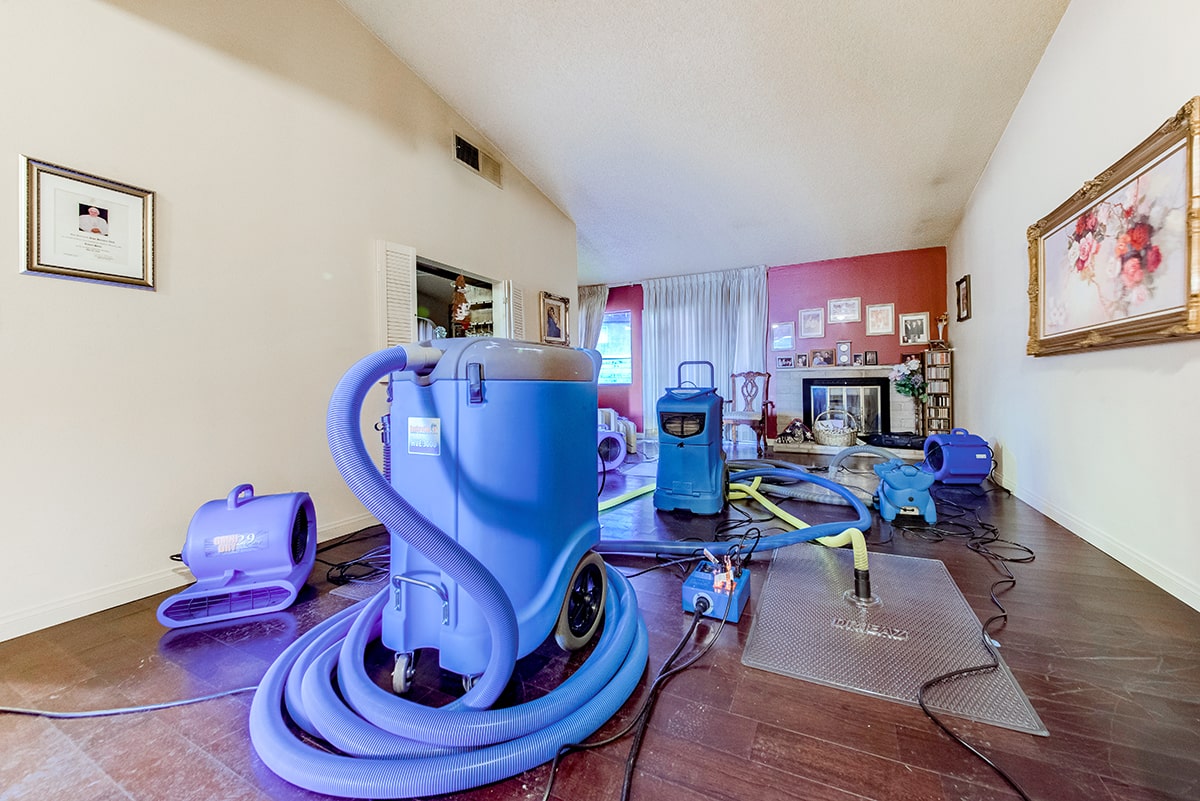
Standing water is extracted using high-powered equipment. Drying equipment is then placed strategically to remove moisture from floors, walls, and the air.
Air movers and dehumidifiers work together to control humidity and accelerate drying. Moisture levels are monitored to ensure materials return to safe ranges.
Pompano Mold Inspection and Testing provides water removal services in Lighthouse Point and surrounding Broward County communities using this structured approach.
Water Removal After Storms and Flooding
Storm-related water often affects multiple areas at once. Even shallow flooding can saturate flooring and wall materials.
Water removal after storms includes extracting water, drying structural materials, and monitoring moisture over time. Skipping steps increases the risk of lingering damage.
In coastal homes, stormwater may carry contaminants, making thorough removal and drying even more important.
Preventing Mold After Water Removal
Mold prevention depends on complete drying. Even small amounts of trapped moisture can support growth in Lighthouse Point’s humid climate.
After water removal, affected areas should be checked for residual moisture. In some cases, a follow-up inspection helps confirm conditions are stable.
Addressing water damage correctly the first time is the most effective way to prevent mold.
The Role of AC Systems in Drying
Air conditioning helps control humidity after water damage, but it is not enough on its own. If drain lines are clogged or ducts are wet, AC operation can actually add moisture.
Professional drying plans account for HVAC performance and may include temporary dehumidification to support proper moisture removal.
Inspecting AC components after water events helps prevent recurring moisture issues.
Practical Tips Homeowners Can Use Immediately
Act fast. The first 24 hours are critical for limiting damage.
Do not rely on fans alone. Air movement without dehumidification can spread moisture.
Avoid replacing furniture or rugs until drying is complete. Trapping moisture slows recovery.
After any water event, even minor, consider an inspection to catch hidden moisture early.
Maintain plumbing, roofing, and AC systems to reduce future water intrusion risks.
Why Local Experience Matters
Water behavior varies by location. Lighthouse Point homes face unique challenges related to coastal exposure, drainage patterns, and construction styles.
Professionals with local experience know where moisture tends to hide and how to dry homes effectively in South Florida conditions.
Pompano Mold Inspection and Testing brings this local understanding to Lighthouse Point, Deerfield Beach, Lauderdale-by-the-Sea, Fort Lauderdale, and surrounding Broward County areas.
A Practical Next Step for Homeowners
If your home has experienced water intrusion, addressing it promptly helps prevent further damage. Professional water removal provides clarity, restores dry conditions, and protects your property.
Taking a calm, informed approach is the most reliable way to manage water issues in Lighthouse Point homes.