
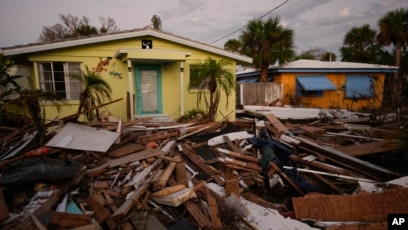
Moisture Detection Services in Lighthouse Point After Hurricanes: What Property Owners Should Know
Hurricanes and tropical storms are a reality for property owners in Lighthouse Point. Even when a storm passes without obvious flooding or structural damage, moisture can still find its way deep into a home. Wind-driven rain, storm surge, roof stress, and prolonged humidity often leave behind hidden moisture that doesn’t show up right away. This is where professional moisture detection becomes critical after a hurricane.
For property owners, understanding how post-hurricane moisture behaves — and why detection matters — helps prevent long-term damage, repeat repairs, and avoidable restoration costs.
Why Hurricanes Create Hidden Moisture Problems
Hurricane-related moisture damage is rarely limited to standing water. Strong winds force rain into small gaps around roofs, windows, vents, and exterior walls. Even well-built homes can take on moisture during hours of sideways rain.
After the storm, saturated soil raises moisture levels beneath slab foundations. Combined with high post-storm humidity, homes dry very slowly. Moisture can remain trapped inside walls, ceilings, insulation, and flooring long after surfaces appear dry.
This hidden moisture is often the most damaging part of a hurricane event.
Why Lighthouse Point Homes Are Especially Vulnerable
Lighthouse Point’s coastal location increases post-hurricane moisture risk. Proximity to waterways, high groundwater levels, and salt air all affect how moisture moves through building materials.
Many homes rely heavily on air conditioning immediately after storms, which can worsen moisture issues by producing additional condensation. Slab foundations limit airflow beneath homes, slowing natural drying.
These factors make moisture detection especially important in Lighthouse Point compared to inland areas.
Common Moisture Entry Points After Hurricanes
Post-hurricane moisture often enters through areas that look intact from the outside. Roof fasteners, flashing, and vents may allow small amounts of water to seep in without visible leaks.
Exterior walls can absorb wind-driven rain, especially on sides facing the storm. Windows, sliding doors, and garage doors are common entry points. Attics frequently trap moisture from minor roof seepage combined with high humidity.
Moisture detection helps identify these issues before stains or odors develop.
Early Signs Property Owners Often Miss
Many property owners assume everything is fine once visible water is gone. However, early signs of hidden moisture are often subtle.
Musty or earthy odors after a hurricane are common indicators. Some rooms may feel damp or uncomfortable despite normal AC operation. Paint may begin to bubble, or faint discoloration may appear days or weeks later.
These signs usually point to moisture inside materials, not surface-level dampness.
Hidden Areas Where Moisture Lingers After Storms
After hurricanes, moisture frequently remains in wall cavities, ceiling assemblies, and attic insulation. Flooring installed over slab foundations can trap moisture beneath tile, carpet, or laminate.
Ductwork running through attics may collect moisture from both storm humidity and AC condensation. Even cabinetry and built-ins can absorb moisture without immediate swelling or damage.
Professional moisture detection is often the only way to confirm whether these areas have dried properly.
Why Visual Inspection Alone Is Not Enough
Dry surfaces do not always mean dry structures. Visual inspection cannot determine how much moisture remains inside drywall, wood framing, or insulation.
Moisture detection uses specialized tools to measure moisture levels within building materials. Thermal imaging can identify temperature differences that often indicate damp areas behind walls or ceilings.
This data-driven approach removes guesswork and helps property owners make informed decisions after hurricanes.
How Professional Moisture Detection Works After Hurricanes
Professional moisture detection begins with a full property assessment. Inspectors evaluate interior spaces, exterior-facing walls, attic areas, flooring, and HVAC components.
Moisture meters are used to identify elevated moisture levels in materials. Thermal imaging helps locate hidden dampness caused by storm intrusion. AC systems and ductwork are closely inspected, as they often contribute to post-storm moisture issues.
Findings are documented clearly so property owners understand what was found and why it matters.
How Moisture Detection Guides Post-Storm Repairs
Moisture detection results help determine whether drying is complete or if additional action is needed. In some cases, results show that moisture was minimal and has resolved naturally.
In other situations, detection reveals areas that require targeted drying, minor repairs, or water removal. If moisture exposure was prolonged, mold inspection or remediation may be recommended.
Accurate detection prevents unnecessary demolition while ensuring real problems are addressed.
The Connection Between Moisture Detection and Mold Prevention
Hurricanes create ideal conditions for mold growth. Warm temperatures, trapped moisture, and high humidity allow mold to develop quickly if moisture is left unchecked.
Moisture detection helps eliminate conditions that allow mold to grow. Identifying and correcting damp areas early reduces the risk of mold developing inside walls, ceilings, or HVAC systems after a storm.
For Lighthouse Point property owners, this preventive step is especially important.
Why Local Experience Matters After Hurricanes
Post-hurricane moisture behaves differently in coastal South Florida than in other regions. Professionals familiar with Lighthouse Point understand how storm patterns, construction styles, and local soil conditions affect moisture movement.
Local experience helps ensure detection results are interpreted accurately. Companies like Pompano Mold Inspection and Testing bring regional knowledge that supports effective post-hurricane moisture assessment and decision-making.
A Smart Step for Property Owners After Storms
Hurricanes don’t have to result in long-term property damage, but hidden moisture can quietly create serious problems if ignored. Moisture detection provides clarity when everything looks fine on the surface but uncertainty remains.
For Lighthouse Point property owners, professional moisture detection after hurricanes is a practical, protective step. It helps confirm what’s dry, identify what isn’t, and ensure recovery efforts are based on real conditions — not assumptions.