Mold Inspection Services in Fort Lauderdale After Flooding: Early Signs You Should Not Ignore
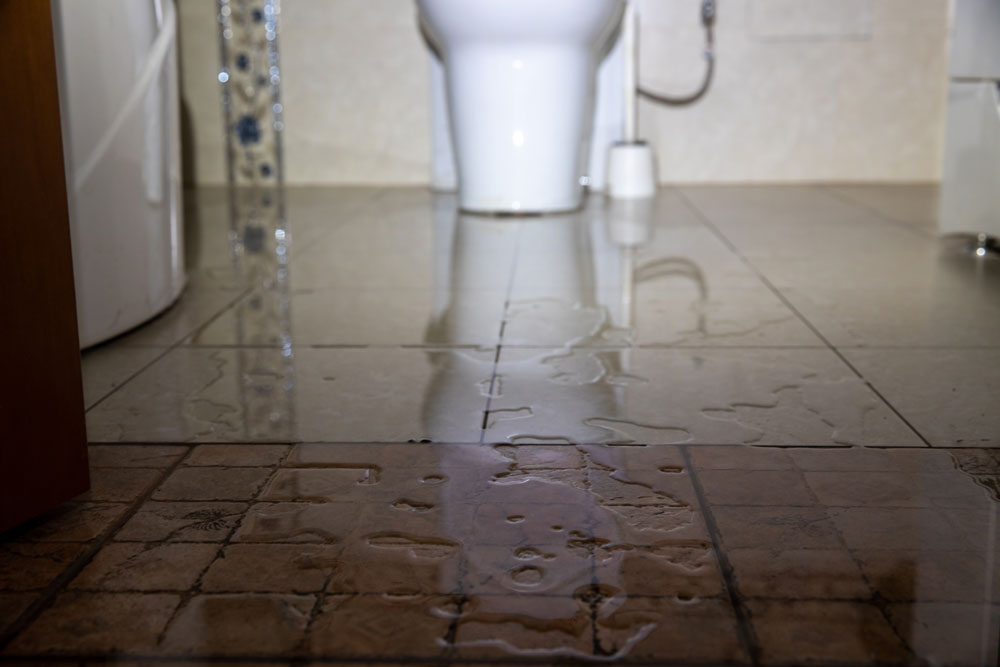
Flooding is one of the most common causes of mold growth in Fort Lauderdale homes and commercial properties. Heavy rain, storm surge, plumbing failures, and overflowing drainage systems can introduce large amounts of moisture into a building within a short period of time. Even after visible water is removed, moisture can remain trapped in walls, flooring, insulation, and duct systems. Mold inspection after flooding helps identify hidden moisture and prevent long-term damage.
What Happens to a Property After Flooding
When flooding occurs, water rarely stays on the surface. It seeps into porous materials and structural components, including:
- Drywall and insulation
- Wood framing and baseboards
- Carpet and padding
- Subfloors
- Air ducts and HVAC components
If these materials are not dried thoroughly, mold can begin to develop within a relatively short period of time, especially in warm and humid climates like Fort Lauderdale.
Why Mold Growth Is Common After Flooding in Fort Lauderdale
Several local conditions increase the likelihood of mold growth after flooding:
- High humidity that slows drying
- Warm temperatures year-round
- Frequent storms and heavy rainfall
- Coastal air that carries moisture
- Continuous AC use creating condensation
Because evaporation happens more slowly in humid environments, moisture often remains trapped in building materials longer than homeowners expect.
Early Signs of Mold After Flooding
Mold growth does not always appear immediately, but there are several early warning signs property owners should not ignore:
- Persistent musty odors
- Water stains on ceilings or walls
- Warped or swollen baseboards
- Peeling paint or bubbling drywall
- Increased indoor humidity
- Dark spots forming on surfaces
These signs often indicate that moisture remains present inside the structure.
Hidden Areas Where Mold Develops First
One of the challenges after flooding is that mold often develops in places that are not visible. Inspectors in Fort Lauderdale frequently find mold in:
- Behind drywall and paneling
- Beneath flooring or tile
- Inside attic insulation
- Inside HVAC ducts
- Under cabinets and built-in furniture
Because these areas are concealed, mold growth may continue for weeks before becoming visible.
Why Flood Cleanup Alone Is Not Enough
Many homeowners assume that once standing water is removed, the problem is solved. However, surface drying alone does not remove moisture trapped inside materials.
Flood cleanup alone may not address:
- Moisture inside wall cavities
- Damp insulation
- Humidity inside ducts
- Wet subfloors
Mold inspection ensures that hidden moisture is identified before it leads to larger problems.
Professional Mold Inspection After Flooding Explained
A professional mold inspection is a detailed process designed to locate moisture and evaluate potential mold growth. In Fort Lauderdale properties, inspections typically include:
- Visual assessment of affected areas
- Moisture measurements in walls, floors, and ceilings
- Inspection of HVAC systems and ductwork
- Evaluation of attic and crawl space conditions
- Air or surface sampling when necessary
Pompano Mold Inspection and Testing often performs these inspections in Fort Lauderdale and surrounding Broward County communities, helping property owners understand the full extent of flood-related moisture issues.
What Happens If Mold Is Found
If mold growth is discovered, remediation may be recommended to restore safe indoor conditions. Proper remediation focuses on both removal and prevention.
Typical steps include:
- Containing affected areas
- Removing damaged materials when necessary
- Cleaning and sanitizing surfaces
- Using air filtration equipment
- Drying materials thoroughly
Addressing the moisture source is essential to prevent mold from returning.
Flood Restoration and Water Damage Repair
Flooding often causes structural damage that must be repaired after drying is complete. Restoration may include:
- Removing wet drywall and insulation
- Drying framing and subfloors
- Repairing ceilings or flooring
- Monitoring moisture levels to ensure complete drying
These steps help restore the property safely and reduce the risk of future mold growth.
Air Ducts, AC Systems, and Mold After Flooding
HVAC systems are often affected by flooding or elevated humidity. Moisture inside ducts or air handlers can lead to:
- Musty odors circulating through vents
- Mold growth in duct insulation
- Reduced airflow efficiency
Inspecting and cleaning duct systems after flooding helps maintain indoor air quality and prevent secondary problems.
How Property Owners Can Reduce Mold Risk After Flooding
Taking prompt action after flooding can significantly reduce mold risk. Practical steps include:
- Removing standing water quickly
- Drying affected materials within the first few days
- Running dehumidifiers to reduce humidity
- Inspecting attics, ducts, and hidden spaces
- Scheduling a professional moisture inspection
Early action is often the most effective way to prevent mold growth.
Why Local Experience Matters
Flooding and moisture behavior in South Florida differ from other regions. Professionals familiar with Fort Lauderdale understand:
- How coastal humidity affects drying times
- Common construction methods in Broward County
- Typical moisture patterns after storms
This local knowledge helps inspections be more accurate and remediation more effective.
A Practical Next Step for Property Owners
Flooding can cause hidden moisture problems that are not immediately visible. Mold inspection provides clarity about the condition of a property and helps prevent small problems from becoming major repairs.
By identifying moisture early and addressing it properly, homeowners and property managers in Fort Lauderdale can protect their buildings, maintain indoor air quality, and prevent long-term structural damage.