

AC Moisture Repair Solutions for Homes in Deerfield Beach: How to Prevent Future Damage
Air conditioning is essential for comfort in Deerfield Beach, but it is also one of the most common sources of hidden moisture problems inside homes. Long cooling seasons, high humidity, and near-constant AC use can quietly create condensation, leaks, and water buildup that damage ceilings, walls, and floors.
Many homeowners do not realize their AC system is the source of moisture until stains appear or musty odors develop. Understanding how AC-related moisture forms, how repairs should be handled, and what actually prevents future damage is key to protecting Deerfield Beach homes.
How AC Systems Create Moisture Problems
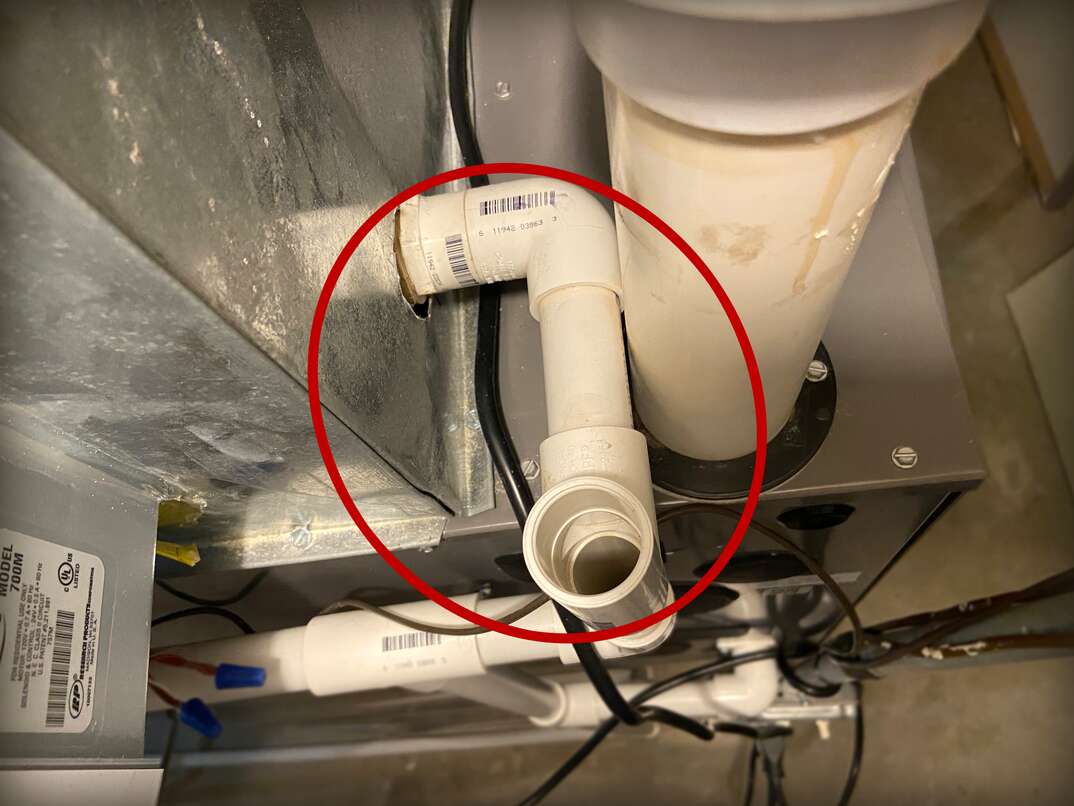
Air conditioners remove humidity from indoor air as part of normal operation. That moisture collects on the evaporator coil and is meant to drain safely through the condensate line.
Problems begin when this process is disrupted. Clogged drain lines, cracked drain pans, poor duct insulation, or airflow issues can cause water to overflow or leak into surrounding areas.
In Deerfield Beach homes, AC systems often run for extended hours. Continuous operation increases condensation volume, turning small drainage or insulation issues into noticeable moisture damage over time.
Why AC Moisture Issues Are Common in Deerfield Beach
High humidity is a constant factor in Deerfield Beach. Even when it is not raining, moisture remains present in the air, forcing AC systems to work harder to remove humidity.
Many homes have air handlers located in closets, attics, or utility spaces where ventilation is limited. These areas are especially vulnerable to condensation and leaks.
Older homes may still have original duct insulation or aging drain components that are more prone to failure. Newer homes can also experience issues if systems are improperly sized or installed.
Coastal weather and frequent storms add another layer of moisture pressure, making AC-related leaks more likely if maintenance is inconsistent.
Early Warning Signs of AC-Related Moisture Damage
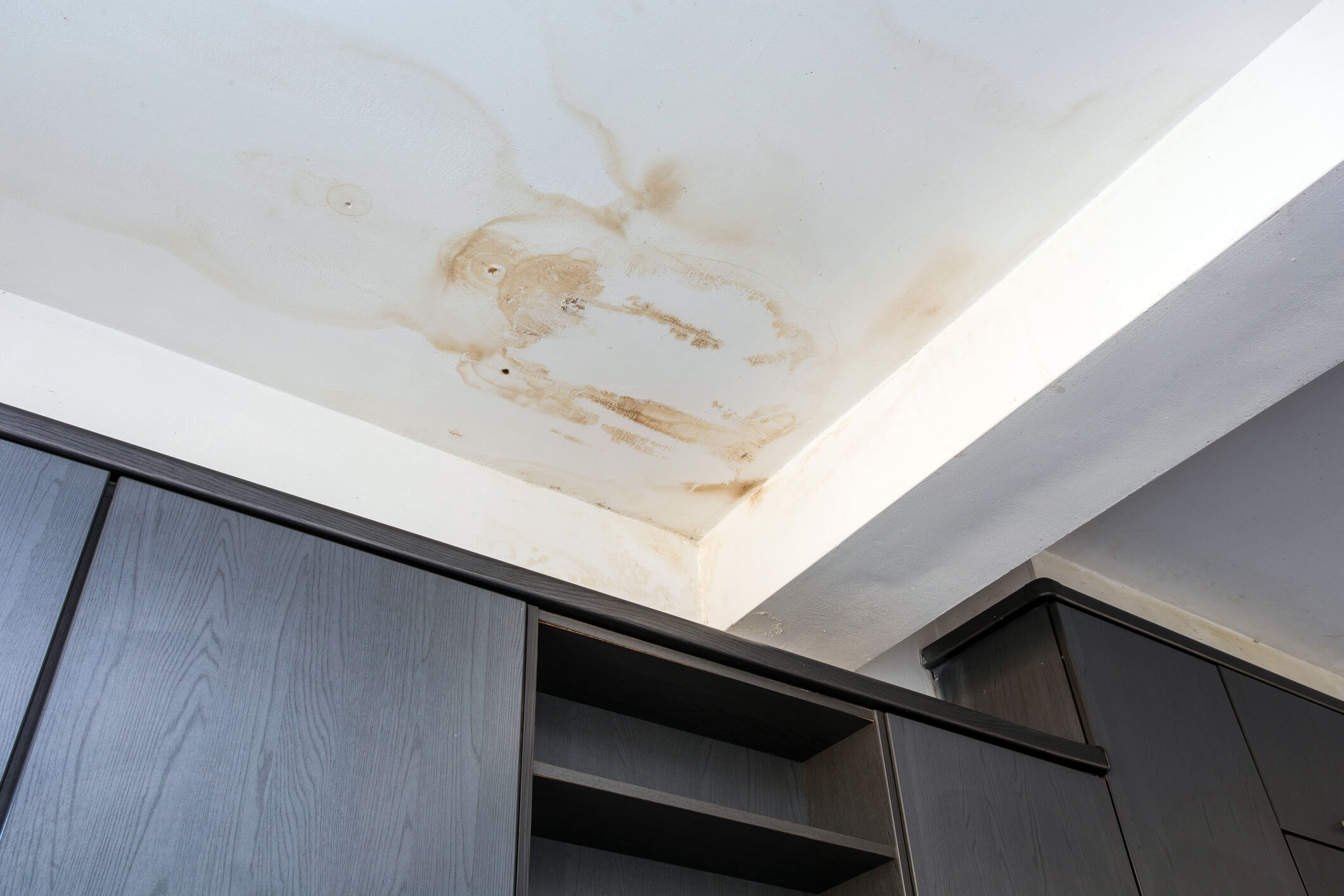
AC moisture problems often start quietly. One of the earliest signs is water staining on ceilings or walls near vents or air handlers.
Musty or damp odors that become stronger when the AC runs often indicate moisture buildup inside ducts or wall cavities.
Peeling paint, bubbling drywall, or warped baseboards can point to slow leaks from AC components above or behind walls.
Excess condensation on supply vents or return grilles is another warning sign, often linked to insulation or humidity control issues.
Hidden Areas Where AC Moisture Causes Damage
Many AC moisture problems develop out of sight. Drain line leaks can saturate insulation inside walls or ceilings without immediate surface damage.
Air handlers installed above living spaces are a frequent source of hidden moisture when drain pans crack or overflow. Water may pool beneath the unit and spread slowly.
Ductwork running through attics or ceilings can sweat when insulation breaks down. This condensation may drip intermittently, damaging drywall and framing over time.
Because these areas are rarely inspected, moisture damage can progress unnoticed.
Why Temporary Fixes Do Not Prevent Recurring Problems
Homeowners sometimes address symptoms by clearing visible clogs or wiping condensation. While these steps may reduce immediate water, they do not correct underlying causes.
If duct insulation is compromised, airflow is restricted, or humidity levels remain high, moisture will continue forming. Surface repairs without system correction allow damage to return.
Lasting solutions require identifying why condensation is occurring and correcting system conditions, not just treating visible water.
How Professional AC Moisture Repair Works
Effective AC moisture repair begins with a detailed inspection. Moisture detection tools help identify where water is forming and how far it has spread.
Drain lines and drain pans are checked for blockages, cracks, or improper slope. Duct insulation is evaluated to determine whether sweating is occurring.
Indoor humidity levels and airflow are assessed to ensure the system is managing moisture effectively. In some cases, system adjustments are necessary.
Pompano Mold Inspection and Testing regularly addresses AC-related moisture issues in Deerfield Beach homes as part of comprehensive moisture control services.
Repairs That Help Prevent Future Moisture Damage
Clearing and repairing condensate drain lines is one of the most important steps. Proper drainage prevents water from backing up into ceilings and walls.
Replacing damaged drain pans and improving duct insulation reduce condensation. Sealing duct joints helps keep humid air away from cold surfaces.
In homes with persistent humidity issues, system adjustments or supplemental dehumidification may be recommended to maintain balanced indoor moisture levels.
Addressing these issues together provides longer-lasting protection than isolated repairs.
AC Moisture and Mold Risk
Moisture from AC systems is a common trigger for mold growth. Damp insulation, drywall, and dust inside ducts create ideal conditions for mold to develop.
Once mold begins growing, spores can spread through the HVAC system and affect other areas of the home. This often leads to recurring odors and ongoing moisture complaints.
Preventing mold starts with controlling AC-related moisture before it has time to cause contamination.
The Role of Duct Inspection and Cleaning
When moisture affects ductwork, inspection and cleaning may be necessary. Dust combined with condensation inside ducts supports mold growth and restricts airflow.
Professional duct inspection helps identify insulation failures, leaks, or areas of moisture buildup. Cleaning removes accumulated debris and supports better airflow.
Addressing duct issues is an important part of long-term moisture prevention in Deerfield Beach homes.
Practical Steps Homeowners Can Take to Prevent Damage
Schedule regular AC maintenance to catch drainage and insulation issues early. Preventive care reduces the risk of sudden leaks.
Keep air handler areas clean and accessible so small leaks are noticed quickly. Avoid blocking vents, as restricted airflow increases condensation.
Use bathroom and kitchen exhaust fans to reduce indoor humidity. After storms or long AC run times, check ceilings and vents for early signs of moisture.
Acting early is one of the most effective ways to avoid costly repairs.
Why Local Experience Matters
AC moisture behavior varies by location. Deerfield Beach homes face specific challenges related to humidity, coastal weather, and construction styles.
Professionals with local experience understand where AC moisture problems typically occur and which repair solutions work best in South Florida conditions.
Pompano Mold Inspection and Testing brings this local knowledge to Deerfield Beach, Pompano Beach, Lighthouse Point, Fort Lauderdale, and surrounding Broward County areas.
A Practical Next Step for Homeowners
If you are noticing signs of AC-related moisture, addressing the issue early can prevent mold growth and structural damage. A professional inspection provides clarity and helps identify practical repair solutions based on your home’s actual conditions.
Taking a proactive approach to AC moisture repair is one of the most effective ways to prevent future damage and protect Deerfield Beach homes.