
Mold Testing in Coconut Creek: Professional Insights
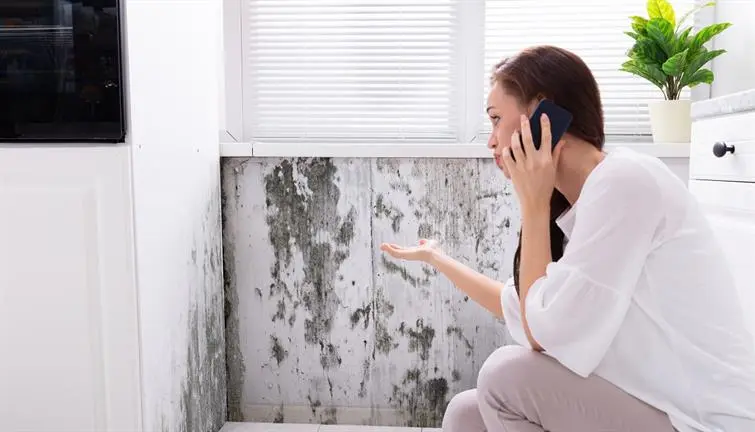
Mold concerns are common among homeowners in Coconut Creek, especially given the area’s high humidity, frequent rain, and year-round air conditioning use. Mold often develops quietly, hidden behind walls, under flooring, or inside HVAC systems, long before visible signs appear. This is why mold testing plays such an important role in understanding what is really happening inside a home.
Professional mold testing provides clarity. It helps homeowners move beyond assumptions and understand whether mold is present, where it may be developing, and what factors are contributing to the issue. In Coconut Creek homes, accurate testing often prevents unnecessary repairs while ensuring real problems are not overlooked.
What Mold Testing Actually Is
Mold testing is a diagnostic process used to evaluate indoor conditions and determine whether mold growth is present or likely. It is not a treatment or removal method. Instead, it provides data that supports informed decisions.
Testing is typically used when mold is suspected but not visible, when odors persist without a clear source, or after water damage. In some cases, homeowners request testing simply to understand indoor conditions better.
The goal of mold testing is insight, not alarm. Results are most useful when combined with a professional inspection and moisture assessment.
Why Mold Testing Is Important in Coconut Creek
Coconut Creek’s climate creates constant moisture pressure. High humidity, warm temperatures, and frequent storms increase the likelihood of moisture buildup inside homes.
Even small leaks or condensation issues can create conditions where mold develops out of sight. Slab foundations common in the area can trap moisture beneath flooring, allowing mold to grow without obvious surface signs.
Mold testing helps identify these hidden issues early, before they lead to larger remediation or repair projects.
Situations Where Mold Testing Is Commonly Needed
Mold testing is often recommended after water-related events such as plumbing leaks, appliance overflows, roof leaks, or storm intrusion. Even if surfaces appear dry, moisture may remain inside building materials.
Persistent musty odors are another common reason homeowners request testing. These smells often indicate hidden mold or moisture problems.
Real estate transactions frequently involve mold testing, especially in homes with a history of leaks or high humidity. Buyers and sellers use testing to gain clarity about indoor conditions.
Some homeowners choose testing for peace of mind, particularly in older homes or properties with repeated moisture concerns.
Areas Commonly Evaluated During Mold Testing
In Coconut Creek homes, mold testing is usually targeted rather than random. Bathrooms, kitchens, and laundry areas are common focus points due to plumbing exposure.
Attics are frequently evaluated, especially after storms. Roof leaks and wind-driven rain can dampen insulation and roof decking without immediate indoor signs.
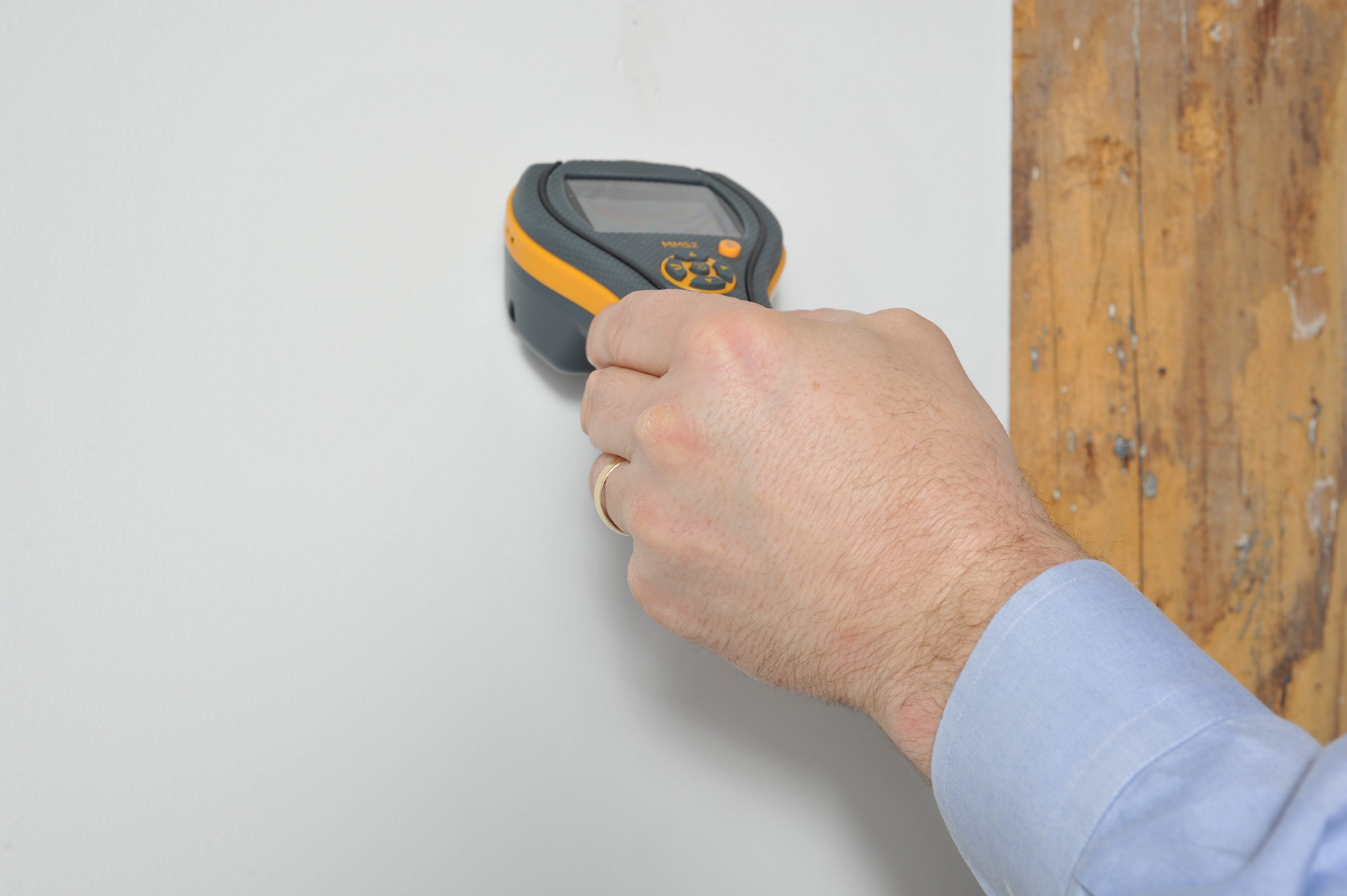
Wall cavities near plumbing lines, exterior walls, and windows are often assessed using moisture meters to detect dampness behind surfaces.
HVAC systems are also considered. Air handlers, return plenums, and ductwork can harbor mold when condensation is present.
How the Mold Testing Process Works
The process typically begins with a visual inspection and moisture assessment. Moisture meters and, in some cases, thermal imaging help identify areas where mold is more likely to develop.
If testing is appropriate, samples may be collected from the air or specific surfaces. These samples help determine whether mold is present and whether levels are elevated due to indoor growth.
Professional testing focuses on areas with supporting evidence of moisture or odor, which leads to more meaningful results.
Pompano Mold Inspection and Testing performs mold testing in Coconut Creek and surrounding Broward County communities with an emphasis on accuracy and practical interpretation.
Understanding Mold Testing Results
Mold testing results are not meant to stand alone. They are interpreted alongside inspection findings, moisture readings, and the home’s history.
Results help determine whether mold levels are typical for the environment or elevated due to indoor sources. This context is critical for deciding what action, if any, is needed.
Testing does not diagnose the cause of mold. It provides information that helps identify next steps.
Common Misunderstandings About Mold Testing
One common misconception is that mold testing is always required. In reality, visible mold with a known moisture source may not need testing to confirm its presence.
Another misunderstanding is that testing alone solves mold problems. Testing identifies conditions but does not remove mold or correct moisture issues.
Mold testing is most effective when used as part of a broader evaluation that includes inspection and moisture control.
Mold Testing and Water Damage Connections
Many mold issues in Coconut Creek homes are tied to unresolved water damage. Leaks and flooding often leave moisture behind even after surfaces dry.
Mold testing helps determine whether past water events resulted in hidden mold growth. This is especially important in homes with tile flooring or slab foundations where moisture can remain trapped.
Testing soon after water damage can prevent more extensive remediation later.
HVAC Systems and Mold Testing
Air conditioning systems play a major role in moisture control. Condensation inside air handlers or ducts is a frequent issue in South Florida homes.
Mold testing may include evaluating HVAC components to determine whether mold is present inside the system. If contamination is found, further inspection or cleaning may be recommended.
Addressing AC-related moisture issues is essential for preventing future mold problems.
Preventive Insights for Homeowners
Maintaining balanced indoor humidity is one of the most effective ways to prevent mold. Regular AC maintenance helps keep drain lines clear and systems functioning properly.
Promptly addressing leaks and water intrusion reduces the chance of hidden moisture. Using exhaust fans in bathrooms and kitchens helps control humidity.
Periodic professional inspections and testing are especially helpful for homes with a history of moisture problems or older construction.
Why Local Experience Matters
Mold behavior varies by environment. Coconut Creek homes face specific challenges related to climate, construction styles, and drainage patterns.
Professionals with local experience understand where moisture tends to accumulate and how mold typically develops in these homes.
Pompano Mold Inspection and Testing brings this local knowledge to Coconut Creek, Margate, North Lauderdale, Pompano Beach, and surrounding Broward County areas.
A Practical Next Step for Homeowners
If you suspect mold or want clarity about indoor conditions, professional mold testing provides valuable insight. It helps identify hidden issues, supports informed decisions, and guides effective next steps.
Taking a calm, informed approach to mold testing helps protect Coconut Creek homes from ongoing moisture and mold-related problems.