

How Moisture Detection Helps Homes in Deerfield Beach in Humid Florida Summers
Summer in Deerfield Beach brings relentless humidity, frequent rainstorms, and near-constant air conditioning use. These conditions make moisture problems one of the most common and most overlooked issues in local homes. Water does not always show up as standing puddles or obvious leaks. In many cases, it stays hidden behind walls, under floors, or inside ceilings until damage becomes serious.
Moisture detection helps homeowners find problems early, before they turn into costly repairs. In humid Florida summers, understanding where moisture hides and how it behaves inside a home is essential for long-term protection.
What Moisture Detection Really Is
Moisture detection is the process of identifying excess water inside building materials and structural areas that cannot be seen with the naked eye. It goes beyond visual inspections and focuses on what is happening beneath surfaces.
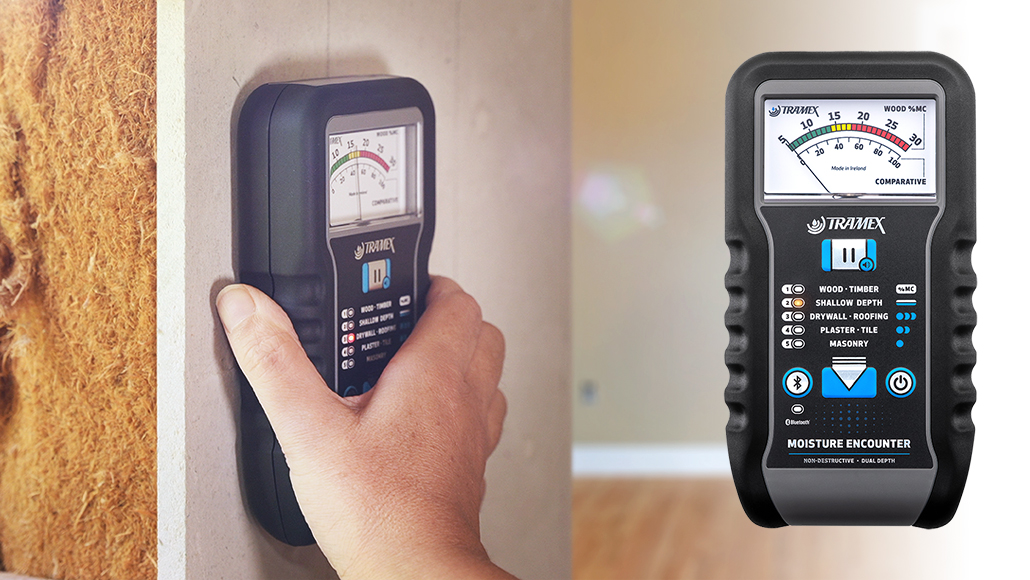
Specialized tools are used to measure moisture levels in drywall, flooring, ceilings, insulation, and other materials. These readings help determine whether materials are drying properly or if hidden moisture is present.
Moisture detection is not guesswork. It provides measurable data that guides decisions about drying, repairs, and prevention.
Why Moisture Is a Bigger Problem in Summer
Deerfield Beach summers combine high heat with high humidity. When humidity is already elevated, moisture evaporates more slowly from building materials.
Air conditioning systems remove humidity, but they can also create moisture problems if drain lines clog, insulation fails, or airflow is unbalanced. Condensation becomes more likely during long cooling cycles.
Frequent summer storms add repeated moisture exposure. Even small leaks or brief water intrusion events can leave moisture trapped inside walls or under flooring.
These factors make summer the most challenging season for moisture control.
Common Moisture Sources in Deerfield Beach Homes
Plumbing leaks are a leading source of hidden moisture. Slow leaks under sinks, behind walls, or beneath slabs can go unnoticed for months.
Roof leaks during summer storms allow water into attics and ceiling cavities. Wind-driven rain can push water far from the actual leak point.
AC-related moisture is extremely common. Clogged condensate drain lines, cracked drain pans, and sweating ducts introduce water into ceilings and walls.
High indoor humidity alone can cause condensation on vents, windows, and cold surfaces, leading to moisture buildup over time.
Early Warning Signs Moisture Detection Can Confirm
A musty or damp odor that does not go away is often the first sign of hidden moisture. This smell may be stronger when the AC runs.
Discoloration on walls or ceilings, even faint staining, can indicate moisture behind surfaces. Paint that bubbles or peels without obvious cause is another warning sign.
Floors may feel slightly soft or uneven. Carpet may appear dry on top while padding underneath remains damp.
Increased indoor humidity, condensation on vents, or a sticky feeling in the air often point to moisture imbalance.
Moisture detection helps confirm whether these signs are linked to hidden water.
Where Moisture Commonly Hides in Summer
In Deerfield Beach homes, moisture often hides in wall cavities near plumbing lines or exterior walls.
Under flooring is another major problem area. Tile and vinyl flooring can trap moisture against slab foundations, especially after leaks or storms.
Attics frequently hold moisture after summer rain events. Wet insulation dries slowly and continues affecting indoor conditions.
HVAC systems are also common moisture reservoirs. Air handlers, return plenums, and duct insulation can all hold hidden moisture.
These areas are rarely inspected without proper tools.
How Moisture Detection Tools Work
Moisture meters measure water content inside materials without causing damage. They help identify damp areas even when surfaces look dry.
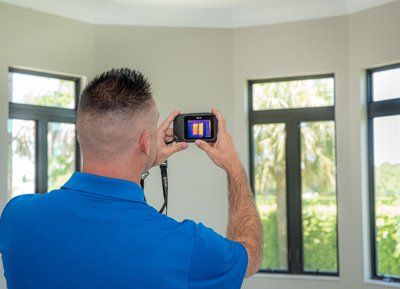
Thermal imaging may be used to detect temperature differences caused by moisture evaporation. These patterns help pinpoint hidden problem areas.
Together, these tools allow targeted inspections instead of unnecessary demolition or guesswork.
Pompano Mold Inspection and Testing uses moisture detection tools in Deerfield Beach homes to identify hidden moisture during summer inspections.
Why Moisture Detection Prevents Bigger Problems
Hidden moisture rarely stays contained. Over time, it spreads into surrounding materials and weakens them.
Moisture trapped inside walls can lead to odors, material breakdown, and long-term structural issues. In humid conditions, drying without guidance often fails.
Moisture detection ensures drying efforts are complete. It helps confirm that repairs address the real problem, not just surface symptoms.
Finding moisture early reduces repair scope and cost.
Moisture Detection and Mold Prevention
Mold depends on moisture. Without identifying and removing moisture, mold prevention is impossible.
Moisture detection helps locate areas at risk before mold becomes visible. It also confirms whether past water damage has fully dried.
In humid Florida summers, this step is critical for preventing mold growth in hidden areas.
Moisture Detection After Water Damage or Storms
After summer storms or leaks, surfaces may dry while moisture remains trapped inside materials.
Moisture detection helps determine how far water spread and whether drying is complete. This prevents premature repairs that trap moisture inside walls or floors.
It also helps prioritize which areas need attention first.
Practical Prevention Tips for Homeowners
Schedule moisture inspections after storms, leaks, or AC issues, even if damage seems minor.
Maintain AC systems and keep drain lines clear to reduce condensation-related moisture.
Address plumbing leaks promptly, no matter how small they seem.
Use exhaust fans and ventilation to help control indoor humidity.
Avoid sealing or repainting areas until moisture levels are confirmed dry.
Periodic professional moisture detection is especially helpful during summer months.
Why Local Experience Matters
Moisture behavior varies by location. Deerfield Beach homes face specific challenges related to humidity, coastal weather, and construction styles.
Local professionals understand where moisture typically hides in South Florida homes and how summer conditions affect drying.
Pompano Mold Inspection and Testing brings this local understanding to Deerfield Beach, Pompano Beach, Lighthouse Point, Fort Lauderdale, and surrounding Broward County areas.
A Practical Next Step for Homeowners
If your home feels damp, smells musty, or has experienced leaks or storms, moisture detection provides clarity. It helps identify hidden problems early and supports effective prevention.
In humid Florida summers, proactive moisture detection is one of the most reliable ways to protect Deerfield Beach homes from long-term water-related damage.