Understanding Mold Inspection in Fort Lauderdale: Early Signs You Should Not Ignore
Mold problems are a common concern for homeowners and property managers in Fort Lauderdale. The combination of high humidity, frequent rain, and year-round air conditioning creates conditions where moisture can build up inside homes and commercial buildings. When moisture remains trapped, mold can begin to grow in hidden areas long before it becomes visible. Mold inspection helps identify these problems early, allowing property owners to correct moisture issues before significant damage occurs.
What Mold Inspection Is and Why It Matters
Mold inspection is a detailed evaluation of a property to determine whether mold growth or moisture conditions are present. The goal is not only to locate visible mold but also to detect hidden moisture that may lead to future growth.
A thorough inspection typically focuses on:
- Areas with elevated humidity
- Signs of water damage or leaks
- Ventilation and airflow conditions
- HVAC systems and ductwork
- Building materials that may retain moisture
Early inspection allows problems to be addressed before they spread or require extensive repairs.
Why Mold Problems Are Common in Fort Lauderdale
Fort Lauderdale’s environment naturally creates conditions that encourage mold growth. Several factors contribute to this:
- High humidity throughout most of the year
- Frequent rain and storm activity
- Warm temperatures that support mold development
- Air conditioning systems producing condensation
- Coastal air carrying moisture indoors
Because moisture evaporates more slowly in humid climates, even small leaks can lead to mold if they are not corrected promptly.
Early Signs You Should Not Ignore
Mold growth often begins quietly, and early warning signs can be easy to overlook. Homeowners in Fort Lauderdale commonly notice:
- A persistent musty odor in certain rooms
- Water stains on ceilings or walls
- Peeling paint or bubbling drywall
- Warped baseboards or trim
- Increased indoor humidity
These signs do not always confirm mold growth, but they often indicate moisture conditions that should be inspected.
Hidden Areas Where Mold Develops
One of the reasons mold inspection is important is that mold frequently grows in areas that are not visible. Inspectors in Fort Lauderdale often find mold in:
- Behind drywall near plumbing lines
- Inside attic insulation
- Beneath flooring or carpet padding
- Inside air ducts and air handlers
- Closets and storage areas with poor ventilation
Because these areas are rarely checked during routine maintenance, mold may spread before becoming visible.
Why DIY Mold Checks Often Miss Problems
Some homeowners rely on visual checks or basic humidity readings, but these methods rarely provide a complete picture. Mold growth often begins inside materials where it cannot be seen.
DIY inspections may miss:
- Moisture trapped behind walls
- Damp insulation in attics
- Mold growth inside ductwork
- Contamination beneath flooring
Professional inspections use specialized tools to detect moisture in building materials and identify conditions that promote mold growth.
Professional Mold Inspection Process Explained
A professional mold inspection in Fort Lauderdale typically follows a structured process designed to locate both visible and hidden issues.
Inspectors often:
- Perform a visual inspection of the property
- Measure humidity levels in different rooms
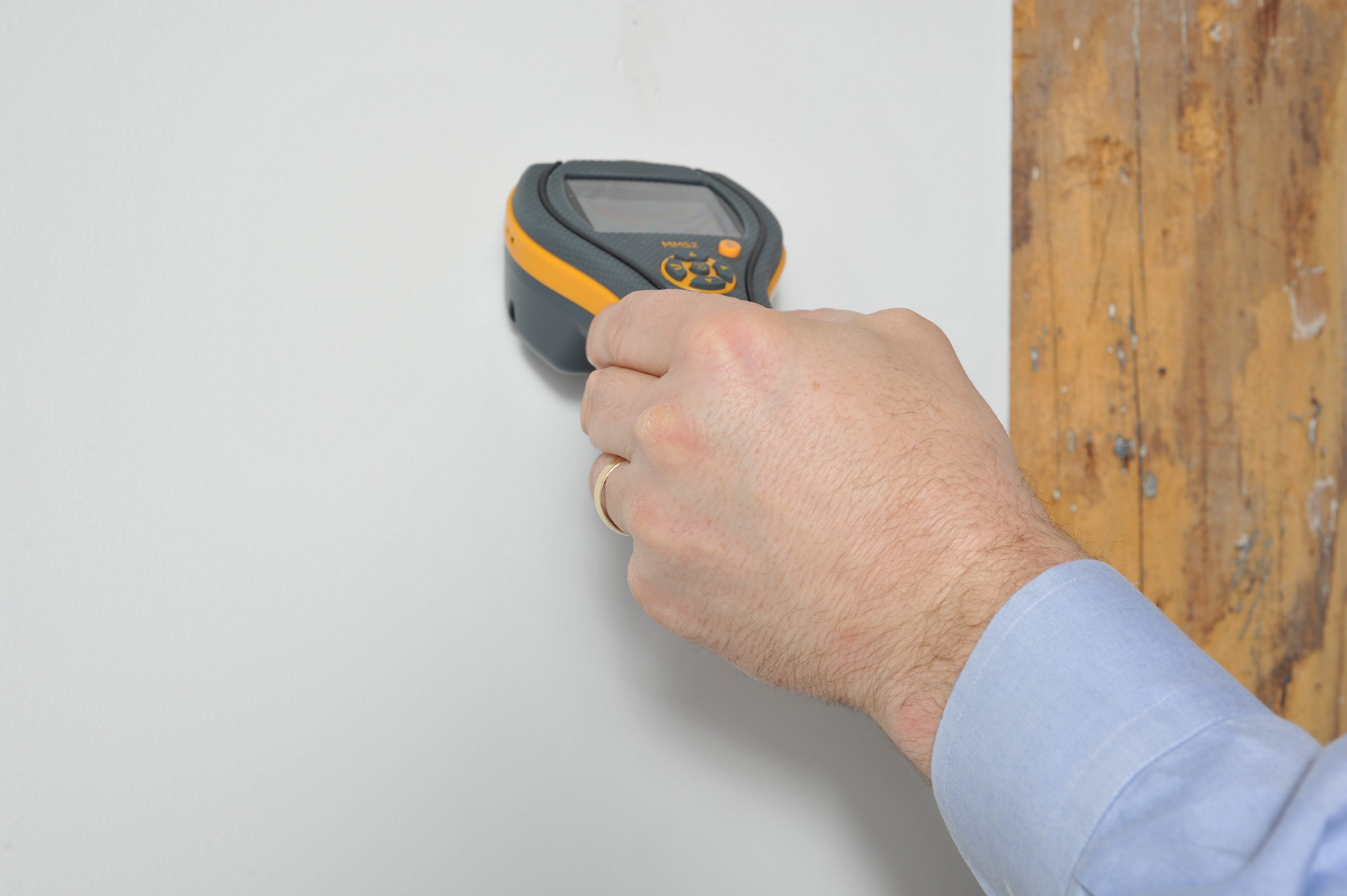
- Use moisture meters to detect hidden dampness
- Inspect attics, crawl spaces, and HVAC systems
- Collect air or surface samples when necessary
Pompano Mold Inspection and Testing often performs mold inspections in Fort Lauderdale and surrounding Broward County communities, helping homeowners understand moisture conditions and potential risks before problems become severe.
What Happens If Mold Is Found
If mold growth is confirmed, remediation may be recommended. Proper remediation focuses on removing contamination and correcting the conditions that allowed mold to develop.
Typical remediation steps include:
- Containing affected areas
- Removing damaged materials when necessary
- Cleaning and sanitizing structural surfaces
- Drying materials thoroughly
- Stabilizing indoor humidity levels
Correcting the moisture source is essential to prevent mold from returning.
Flood Restoration and Water Damage Repair
In Fort Lauderdale, mold often develops after water damage caused by storms, plumbing leaks, or roof leaks. Restoration may involve:
- Water extraction
- Structural drying
- Dehumidification
- Repairing damaged drywall or flooring
- Monitoring moisture levels
Proper drying is one of the most important steps in preventing mold growth after water damage.
Air Ducts, AC Systems, and Mold Risks
HVAC systems play a major role in indoor moisture levels. When condensation builds up or ducts collect moisture, mold growth may occur inside the system.
Common HVAC-related issues include:
- Clogged condensate drain lines
- Damp duct insulation
- Dirty air filters reducing airflow
- Poor ventilation around air handlers
Routine maintenance and periodic inspections help keep HVAC systems functioning properly and reduce mold risks.
How to Reduce the Risk of Mold Growth
Homeowners in Fort Lauderdale can take practical steps to reduce the likelihood of mold problems:
- Repair leaks as soon as they are detected
- Maintain air conditioning systems regularly
- Monitor indoor humidity levels
- Ensure proper attic and closet ventilation
- Inspect roofs and plumbing after storms
Preventive maintenance often reduces the need for extensive repairs later.
Why Local Experience Matters
Mold behavior varies depending on climate and construction methods. Professionals familiar with Fort Lauderdale understand:
- How coastal humidity affects building materials
- Common ventilation and drainage issues in Broward County homes
- Typical moisture patterns after storms and heavy rain
This local experience helps ensure inspections are thorough and accurate.
A Practical Next Step for Property Owners
Mold inspection is one of the most effective ways to identify moisture problems early. By recognizing warning signs and scheduling inspections when needed, homeowners can prevent structural damage, protect indoor air quality, and maintain a comfortable living environment.
Taking a proactive approach allows property owners in Fort Lauderdale to address small issues before they become larger and more costly to repair.
Image