Lauderdale-by-the-Sea Mold Inspection and Testing in Humid Florida Summers: Early Signs You Should Not Ignore
Summers in Lauderdale-by-the-Sea bring intense humidity, frequent rain showers, and long periods of warm temperatures. While these conditions are typical for coastal Florida, they also create the ideal environment for mold growth inside homes. Moisture can build up gradually in walls, ceilings, air ducts, and flooring, often without immediate visible signs. Mold inspection and testing during humid summer months help homeowners detect hidden problems early and prevent costly repairs.
Why Humid Florida Summers Increase Mold Risk
Humidity is one of the most important factors in mold growth. During summer, outdoor humidity levels remain high for extended periods, and indoor air conditioning systems work continuously to maintain comfort. Even with air conditioning, moisture can still accumulate in certain areas of a home.
Common reasons mold develops during summer include:
- High indoor humidity levels
- Frequent storms and rain
- Condensation from air conditioning systems
- Poor ventilation in attics or closets
- Slow drying of damp materials
These conditions allow mold spores, which are naturally present in the air, to grow when moisture is available.
What Mold Inspection and Testing Involve
Mold inspection is a detailed evaluation of a property to locate moisture and identify visible or hidden mold growth. Mold testing may involve collecting air or surface samples to determine the presence and concentration of mold spores.
A thorough inspection typically includes:
- Visual examination of walls, ceilings, and flooring
- Moisture measurements in building materials
- Inspection of attics, ducts, and HVAC systems
- Evaluation of humidity levels
- Identification of conditions that allow mold to grow
This process helps homeowners understand whether mold is present and what corrective steps may be needed.
Early Signs You Should Not Ignore
Mold often develops gradually, and early warning signs may be subtle. Homeowners in Lauderdale-by-the-Sea frequently notice:
- Musty or damp odors
- Increased indoor humidity
- Small dark spots on ceilings or walls
- Peeling paint or bubbling drywall
- Warped baseboards or trim
These signs usually indicate moisture buildup, even if mold is not yet visible.
Hidden Areas Where Mold Often Develops
Mold frequently grows in areas that are not part of everyday living spaces. Inspectors in Lauderdale-by-the-Sea often find mold in:
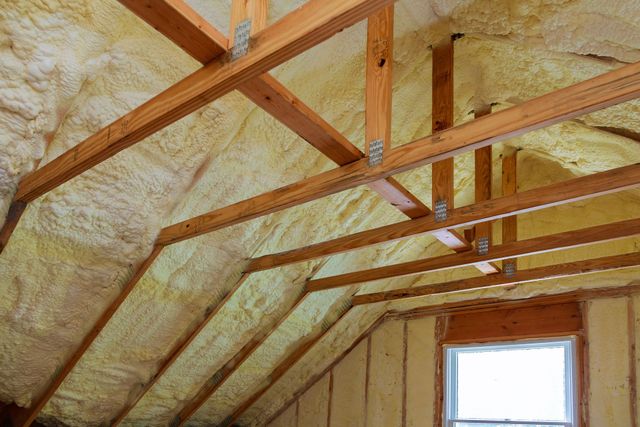
- Attic insulation and roof decking
- Inside wall cavities near exterior walls
- Beneath flooring or carpet padding
- Inside air ducts and air handler compartments
- Closets or storage areas with limited airflow
Because these areas are concealed, mold can spread for weeks before being detected.
Why DIY Mold Checks Often Miss Problems
Homeowners sometimes try to identify mold by looking for visible spots or using simple humidity monitors. While these steps may provide limited information, they rarely reveal hidden moisture or contamination.
DIY checks often miss:
- Moisture trapped behind drywall
- Damp insulation in attics
- Mold growth inside ductwork
- Small leaks that continue to supply moisture
Professional inspection tools can detect moisture inside materials that appear dry on the surface.
Professional Mold Inspection and Testing Process
A professional inspection during humid summer months usually follows a structured approach. In Lauderdale-by-the-Sea homes, technicians typically:
- Inspect areas most vulnerable to moisture
- Measure humidity levels in different rooms
- Use moisture meters to detect hidden dampness
- Examine HVAC systems and ductwork
- Collect air or surface samples when testing is needed
Pompano Mold Inspection and Testing often performs inspections in Lauderdale-by-the-Sea and surrounding Broward County communities, helping homeowners understand moisture conditions and determine whether remediation is necessary.
What Happens If Mold Is Found
If mold growth is confirmed, remediation may be recommended to restore safe indoor conditions. Proper remediation focuses on both removal and prevention.
Typical steps may include:
- Containing affected areas
- Removing damaged materials when necessary
- Cleaning and sanitizing structural surfaces
- Drying materials thoroughly
- Stabilizing indoor humidity levels
Addressing the moisture source is essential to prevent mold from returning.
Water Damage and Summer Moisture Problems
Summer storms and heavy rain can contribute to mold growth by introducing water into homes through small leaks or drainage problems. Restoration may involve:
- Water extraction
- Structural drying
- Dehumidification
- Repairing damaged materials
Proper drying is critical in humid climates, where moisture evaporates more slowly.
Air Ducts, AC Systems, and Summer Mold Risks
Air conditioning systems play a major role in controlling humidity, but they can also contribute to mold problems if condensation builds up.
Common HVAC-related issues include:
- Clogged condensate drain lines
- Moisture in duct insulation
- Dirty air filters reducing airflow
- Poor ventilation around air handlers
Routine inspection and maintenance help prevent these problems and improve indoor air quality.
How Homeowners Can Reduce Mold Risk in Summer
Preventive maintenance is one of the most effective ways to reduce mold risks during humid months. Homeowners in Lauderdale-by-the-Sea can:
- Monitor indoor humidity levels
- Maintain air conditioning systems regularly
- Inspect roofs and attic spaces after storms
- Repair leaks promptly
- Use dehumidifiers when humidity rises
Quick action often prevents minor moisture problems from becoming major repairs.
Why Local Experience Matters
Mold inspection in coastal South Florida requires an understanding of local climate conditions and construction styles. Professionals familiar with Lauderdale-by-the-Sea understand:
- How coastal humidity affects building materials
- Typical attic and ventilation designs in Broward County homes
- Common moisture patterns during summer storms
This local experience helps inspections and testing be more accurate and effective.
A Practical Next Step for Homeowners
Humid Florida summers create conditions where hidden moisture problems can develop quickly. Mold inspection and testing provide valuable information about indoor conditions and help homeowners address issues before they spread.
By scheduling inspections, maintaining HVAC systems, and monitoring humidity, homeowners in Lauderdale-by-the-Sea can keep their homes dry, comfortable, and protected throughout the summer season.