


How Mold Testing Helps Homes in Pompano Beach From Poor Ventilation
Poor ventilation is one of the most overlooked causes of mold problems in Pompano Beach homes. With high humidity, warm temperatures, and air conditioning running most of the year, indoor air can easily become trapped. When fresh air exchange is limited, moisture builds up inside walls, ceilings, and HVAC systems, creating ideal conditions for mold to develop quietly.
Mold testing plays an important role in homes affected by poor ventilation. It helps confirm whether mold is present, identifies hidden problem areas, and provides clarity before damage becomes widespread. In Pompano Beach, where ventilation challenges are common, testing often prevents small moisture issues from turning into costly repairs.
Why Poor Ventilation Is a Common Problem in Pompano Beach Homes
Many homes in Pompano Beach are built to be energy efficient, which often means they are tightly sealed. While this helps with cooling efficiency, it can reduce natural air exchange.
Bathrooms, kitchens, laundry rooms, and closets without proper exhaust fans trap humid air. Over time, this moisture spreads into surrounding walls and ceilings.
Air handlers installed in closets or enclosed spaces may not receive adequate airflow. Without ventilation, condensation builds up around AC components and ductwork.
In coastal South Florida, even normal daily activities can introduce enough moisture to cause problems when ventilation is inadequate.
How Poor Ventilation Leads to Mold Growth
Mold requires moisture, warmth, and organic material. Poor ventilation allows humidity to remain elevated inside the home.
When air does not circulate properly, moisture condenses on cooler surfaces such as exterior walls, ceilings, vents, and duct insulation.
This condensation may be minimal and intermittent, making it hard to notice. Over time, it keeps materials damp enough for mold to develop behind surfaces.
Because mold often grows out of sight in these conditions, homeowners may not realize there is a problem until odors or damage appear.
Early Signs of Ventilation-Related Mold Problems
A musty or stale odor that lingers is often the first sign. This smell may become stronger when the AC runs or when the home has been closed for several hours.
Discoloration on walls or ceilings, even faint gray or brown staining, can indicate moisture trapped behind surfaces.
Paint that bubbles, peels, or cracks without an obvious leak often points to condensation caused by poor airflow.
Rooms that feel damp, sticky, or slow to dry after showers or cooking are also common warning signs.
Why Mold Is Often Hidden in Poorly Ventilated Homes
In Pompano Beach homes, mold related to poor ventilation often develops in wall cavities, behind furniture, or above ceilings.
Closets, laundry rooms, and bathrooms are frequent problem areas because they lack airflow and are exposed to moisture.
HVAC systems can also be affected. Condensation inside air handlers or ductwork allows mold to grow without visible surface signs.
Because these areas are not routinely inspected, mold can spread unnoticed for long periods.
How Mold Testing Helps Identify Hidden Problems
Mold testing provides information that visual inspections alone cannot. It helps determine whether mold is present when growth is suspected but not visible.
Testing is especially useful in homes with ventilation concerns because mold often develops behind walls or inside HVAC systems.
Results help confirm whether indoor conditions are being affected by hidden mold growth or elevated spore levels.
This clarity allows homeowners to take targeted action instead of guessing.
Pompano Mold Inspection and Testing provides mold testing services in Pompano Beach with a focus on identifying ventilation-related mold issues accurately.
When Mold Testing Is Most Helpful
Mold testing is commonly recommended when odors persist without visible mold, when moisture problems are suspected but not confirmed, or when ventilation issues have been ongoing.
Homes with repeated condensation problems, poor airflow, or a history of humidity complaints often benefit from testing.
Testing is also useful before major repairs or renovations to ensure hidden mold is not sealed behind new materials.
In real estate situations, testing helps clarify indoor conditions in homes with known ventilation limitations.
Understanding Mold Testing Results
Mold testing results must be interpreted in context. Results alone do not diagnose the cause of mold but help identify whether indoor growth is likely.
When combined with inspection findings and moisture detection, results guide decisions about ventilation improvements, drying, or remediation.
This approach prevents unnecessary work while ensuring real problems are addressed properly.
Mold Testing and Ventilation Improvements
Mold testing often highlights the need for better ventilation rather than extensive removal.
Improving airflow, adding or repairing exhaust fans, and correcting AC airflow issues can significantly reduce moisture levels.
In many cases, addressing ventilation issues early prevents the need for larger remediation projects.
Testing helps confirm whether these changes are effective by establishing a clear baseline.
The Role of Moisture Detection Alongside Testing
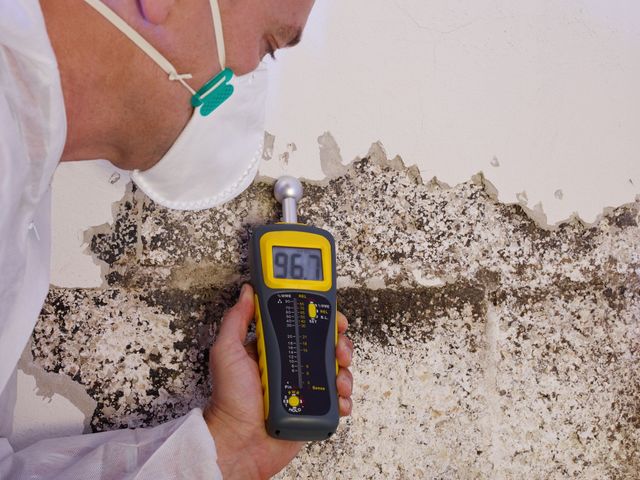
Moisture detection is often used alongside mold testing to locate damp areas caused by poor ventilation.
Moisture meters help identify condensation-related moisture inside walls, ceilings, and insulation.
This combination allows targeted repairs rather than broad demolition or unnecessary cleaning.
Preventing Mold in Poorly Ventilated Homes
Improving ventilation is the most effective prevention strategy. Bathrooms, kitchens, and laundry areas should have functioning exhaust fans.
Air handlers and return pathways should not be blocked or enclosed without proper airflow.
Maintaining AC systems helps reduce condensation and supports humidity control.
Monitoring indoor humidity levels helps identify ventilation problems before mold develops.
Periodic inspections and testing are especially helpful in homes with known airflow challenges.
Why Local Experience Matters in Pompano Beach
Ventilation-related mold behaves differently in South Florida than in drier climates. Coastal humidity and construction styles play a major role.
Local professionals understand how poor ventilation affects Pompano Beach homes and where mold is most likely to develop.
Pompano Mold Inspection and Testing brings this local experience to Pompano Beach, Lighthouse Point, Deerfield Beach, Fort Lauderdale, and surrounding Broward County areas.
A Practical Next Step for Homeowners
If your home has ongoing ventilation issues or unexplained odors, mold testing provides clarity. It helps identify hidden problems early and supports effective prevention.
In Pompano Beach, addressing poor ventilation with informed testing is one of the most reliable ways to protect homes from mold-related damage and maintain healthy indoor conditions.
