

Understanding the Process: Black Mold Removal in Deerfield Beach After Storm Damage
Storm damage in Deerfield Beach often creates the perfect conditions for black mold to develop. Heavy rain, wind-driven water intrusion, flooding, and prolonged humidity allow moisture to settle deep inside walls, ceilings, floors, and insulation. When this moisture is not fully addressed, black mold can begin growing quietly, often out of sight, until damage becomes noticeable.
Black mold removal after storm damage is a structured process. It goes far beyond surface cleaning and focuses on moisture control, safe removal, and long-term prevention. Understanding how the process works helps homeowners take the right steps and avoid repeat problems in Deerfield Beach homes.
Why Storm Damage Triggers Black Mold Growth
Storms introduce water into homes in multiple ways. Roof leaks, damaged flashing, overwhelmed drainage systems, and wind-driven rain allow moisture to penetrate building materials.
After storms, high outdoor humidity slows natural drying. Even when visible water is removed, moisture often remains trapped inside drywall, insulation, and flooring.
Air conditioning systems run continuously after storms, and if drain lines clog or ducts sweat, they can add more moisture. This combination creates ideal conditions for black mold to grow.
Black mold often develops in areas that remain damp for extended periods, especially when storms occur back-to-back.
Common Areas Where Black Mold Develops After Storms
In Deerfield Beach homes, black mold frequently appears inside wall cavities near exterior walls and windows.
Attics are another common problem area. Storm damage can soak insulation and roof decking, allowing mold to grow above ceilings without immediate indoor signs.
Under flooring is also common, particularly in slab-on-grade homes where moisture becomes trapped beneath tile, vinyl, or carpet.
HVAC systems may be affected if storm-related moisture reaches air handlers or ductwork, allowing mold to spread through airflow.
These hidden areas often require professional inspection to identify properly.
Early Warning Signs Homeowners Should Watch For
A strong musty or earthy odor that appears after storms is often the first sign of black mold activity.
Discoloration on walls or ceilings, especially dark staining or spreading patches, can indicate mold growth behind surfaces.
Paint that bubbles, peels, or cracks after storm events suggests moisture intrusion and potential mold development.
Increased indoor humidity or rooms that feel damp long after rain can also signal ongoing moisture problems.
Responding early reduces the scope of removal.
Why Black Mold Removal Is Different After Storm Damage
Storm-related mold problems are rarely isolated. Water often spreads far beyond the visible damage, affecting multiple areas.
Surface cleaning does not remove mold that has penetrated porous materials. Without addressing hidden moisture, mold will return.
After storms, mold removal must account for ongoing weather conditions and elevated humidity, which complicate drying and containment.
A structured remediation process is essential to ensure all affected areas are addressed safely.
Step One: Professional Inspection and Moisture Detection
Black mold removal begins with a detailed inspection. Moisture detection tools are used to locate hidden water inside walls, ceilings, floors, and insulation.
Inspectors assess how far moisture spread during the storm and identify areas at highest risk for mold growth.
In some cases, testing helps confirm the presence and extent of mold contamination, especially when growth is not visible.
Accurate inspection ensures remediation targets the real problem areas.
Pompano Mold Inspection and Testing performs storm-related mold inspections in Deerfield Beach with a focus on identifying hidden moisture and contamination.
Step Two: Containment and Safety Measures
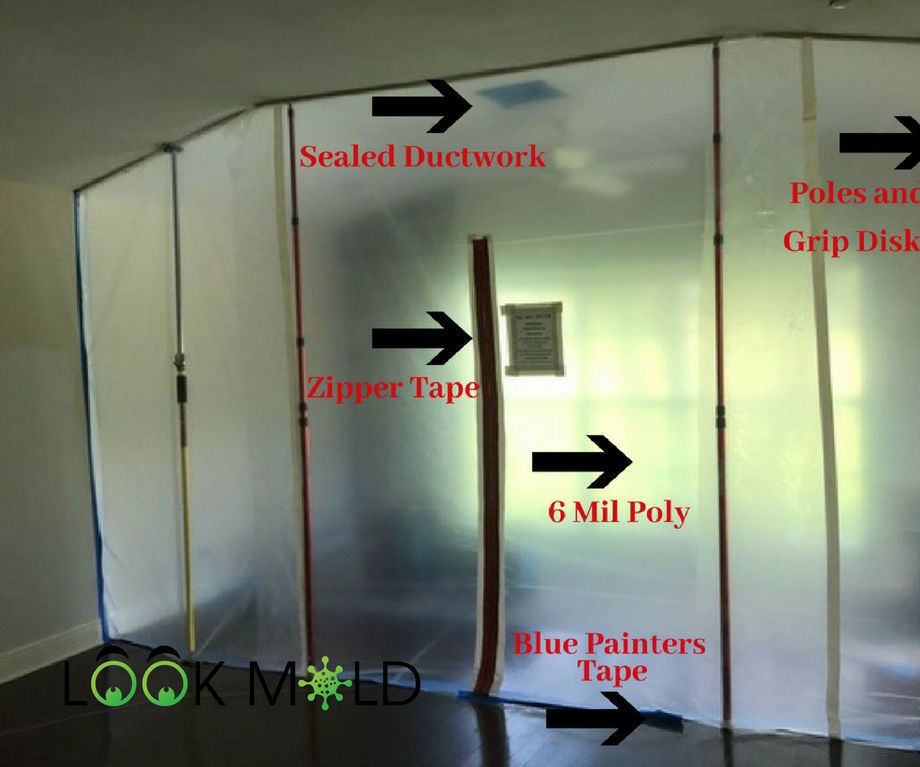
Before removal begins, containment is established to prevent mold spores from spreading to unaffected areas.
This may include physical barriers and controlled airflow to isolate the work area.
Containment is especially important after storm damage, when multiple areas may be affected and air movement can spread contamination.
Proper containment protects the rest of the home during remediation.
Step Three: Removing Affected Materials
Materials that cannot be effectively cleaned, such as heavily contaminated drywall, insulation, or carpet padding, may need to be removed.
Removal is done carefully to limit spore release. Porous materials are sealed and disposed of properly.
Salvageable surfaces are cleaned using professional-grade methods designed for mold removal.
Removing damaged materials also helps expose hidden moisture so drying can be completed properly.
Step Four: Thorough Drying and Moisture Control
Drying is one of the most critical steps in black mold removal. After storms, moisture often remains deep inside structures.
High-capacity dehumidifiers and air movers are used to overcome Deerfield Beach’s humidity and remove moisture from materials and air.
Moisture levels are monitored throughout the process to confirm drying is complete before rebuilding or repairs.
Without proper drying, mold is likely to return.
Step Five: Cleaning and HEPA Filtration
After removal and drying, remaining surfaces are cleaned to remove residual mold particles.
HEPA filtration is used to capture airborne spores during and after remediation.
This step helps restore indoor conditions and reduces the chance of lingering contamination.
Cleaning is focused on affected areas and nearby spaces where spores may have settled.
Step Six: Correcting the Moisture Source
Black mold removal is not complete until the moisture source is corrected. Roof repairs, plumbing fixes, window sealing, or AC drainage corrections may be required.
Storm damage often creates multiple moisture entry points. Each must be addressed to prevent recurrence.
Correcting these issues protects the home during future storms.
Preventing Black Mold After Storm Remediation
Prevention starts with proactive maintenance. Roofs, windows, and exterior seals should be inspected before and after storm season.
Maintaining AC systems helps prevent condensation-related moisture issues during humid periods.
After storms, inspections help catch hidden moisture early before mold develops.
Monitoring indoor humidity and addressing damp areas promptly reduces long-term risk.
Why Local Experience Matters in Deerfield Beach
Storm-related mold behavior varies by location. Deerfield Beach homes face specific challenges related to coastal storms, humidity, and construction styles.
Local professionals understand how storms typically affect homes in this area and where mold is most likely to develop.
Pompano Mold Inspection and Testing brings this local knowledge to Deerfield Beach, Pompano Beach, Lighthouse Point, Fort Lauderdale, and surrounding Broward County communities.
A Clear Path Forward for Homeowners
Black mold removal after storm damage requires a careful, step-by-step approach. Proper inspection, containment, removal, drying, and moisture correction work together to prevent future damage.
For Deerfield Beach homeowners, understanding the process helps ensure the right decisions are made after storms. Taking a proactive, informed approach is the most effective way to protect homes from recurring black mold problems.