
Understanding the Process: Carpet Cleaning After Water Damage in Pompano Beach After Roof Leaks
Roof leaks are one of the most common causes of indoor water damage in Pompano Beach. With heavy rains, aging roofing materials, and sudden storms, water often finds its way into ceilings, walls, and eventually carpets. Many homeowners assume that once the visible water is gone, the problem is solved—but carpets can hold moisture deep in the fibers and padding, creating the perfect environment for mold, odors, and structural damage.
Understanding how professional carpet cleaning after water damage works can help property owners act quickly and prevent bigger problems later.
⸻
Why Roof Leaks Often Damage Carpets in Pompano Beach
Homes in Pompano Beach and nearby communities like Lighthouse Point, Deerfield Beach, Margate, Coconut Creek, and Fort Lauderdale experience frequent humidity and seasonal storms. Roof leaks may develop slowly or suddenly, but once water enters the home, gravity pulls it downward.
Water commonly travels through:
• Ceilings and insulation
• Drywall and framing
• Baseboards and flooring
• Carpet fibers and padding
Carpets act like a sponge. Even when the surface feels dry, moisture can remain trapped underneath.
⸻
Signs Your Carpet Has Water Damage from a Roof Leak
Many cases of carpet water damage go unnoticed at first. Early signs include:
• Damp or musty smell in a room
• Discoloration or dark spots on carpet
• Warping or soft areas underfoot
• Increased humidity indoors
• Allergies or respiratory irritation
If these signs appear after a storm or roof issue, inspection and cleaning should be done quickly.
⸻
Initial Assessment and Moisture Inspection
The first step in carpet cleaning after water damage is a detailed inspection. Professionals evaluate:
• Source of the water
• Extent of carpet saturation
• Condition of carpet padding
• Moisture levels in subfloor
• Risk of mold growth
Moisture meters and thermal imaging tools help identify hidden water pockets that are not visible to the eye.
This step is important because cleaning without proper assessment can leave moisture behind, leading to recurring problems.
⸻
Water Extraction: Removing Standing Moisture
Once the inspection is complete, the next step is water extraction.
High-powered extraction equipment removes:
• Standing water
• Moisture trapped in carpet fibers
• Water inside padding
Extraction is much more effective than household wet vacuums because professional machines create stronger suction and remove deeper moisture.
The faster this step is completed, the lower the risk of mold growth.
⸻
Cleaning and Sanitizing the Carpet
After water extraction, cleaning begins. Roof leaks may introduce:
• Dust and debris from roofing materials
• Insulation particles
• Bacteria from standing water
Professional carpet cleaning typically includes:
• Deep hot water extraction
• Antimicrobial treatment
• Odor removal solutions
Sanitizing the carpet helps prevent microbial growth and eliminates unpleasant smells.
⸻
Drying and Dehumidification
Drying is one of the most critical steps in the entire process.
Professionals use:
• High-speed air movers
• Commercial dehumidifiers
• Controlled airflow patterns
Drying typically takes 24–72 hours depending on humidity, weather conditions, and the amount of water absorbed.
In coastal cities like Pompano Beach, drying may take longer because outdoor humidity slows evaporation. Proper equipment ensures moisture is removed from:
• Carpet fibers
• Padding
• Subfloor
• Surrounding air
⸻
When Carpet Padding Must Be Replaced
In some cases, cleaning alone is not enough.
Padding often needs replacement if:
• Water has been sitting for more than 24–48 hours
• Mold growth has begun
• Odors remain after extraction
• Padding has deteriorated
Replacing padding while saving the carpet can still reduce costs compared to full replacement.
⸻
Preventing Mold Growth After Water Damage
Pompano Beach’s warm climate creates ideal conditions for mold growth. Mold can begin developing within 24–48 hours when moisture remains.
Preventive steps include:
• Rapid water removal
• Complete drying
• Moisture monitoring
• Air filtration when needed
If mold is detected, specialized remediation may be necessary before carpets are reinstalled.
⸻
Common Mistakes Homeowners Make
After a roof leak, many homeowners try to handle carpet drying themselves. While small spills can be managed at home, roof leak damage often involves hidden moisture.
Common mistakes include:
• Using household fans only
• Shampooing carpets before drying
• Ignoring damp padding
• Waiting too long to act
These mistakes often lead to recurring odors and mold problems weeks later.
⸻
How Long the Entire Process Takes
Typical timeline:
Day 1: Inspection and water extraction
Day 1–3: Drying and dehumidification
Day 2–4: Cleaning and sanitation
Day 3–5: Final moisture verification
Every situation is different, but most residential carpet restoration projects are completed within several days.
⸻
Areas of the Home Most at Risk After Roof Leaks
Roof leaks rarely affect just one surface. Carpets in these areas are often impacted:
• Bedrooms under attic spaces
• Living rooms near exterior walls
• Hallways beneath roof valleys
• Closets and storage areas
Water may travel several feet from the original leak location before soaking into flooring.
⸻
Carpet Cleaning in Rental and Commercial Properties
Water-damaged carpets are common in:
• Apartment units
• Office buildings
• Retail spaces
• Property management turnovers
Quick cleaning helps prevent tenant complaints, odor issues, and liability concerns.
⸻
Preventing Future Carpet Damage
Roof leaks can often be prevented or minimized with routine maintenance.
Helpful steps include:
• Annual roof inspections
• Cleaning gutters and drainage systems
• Checking attic insulation for moisture
• Monitoring ceilings after storms
Catching a leak early can prevent thousands of dollars in flooring and structural repairs.
⸻
When to Call a Professional
Carpet cleaning after roof leaks should be handled professionally if:
• Water has soaked through carpet and padding
• There is a musty odor
• Water damage covers more than a small area
• Drying has not occurred within 24 hours
Early response reduces damage, cost, and health risks.
⸻
Final Thoughts
Carpet cleaning after water damage in Pompano Beach is more than just surface cleaning. It involves careful inspection, deep extraction, sanitation, and controlled drying to ensure moisture is completely removed.
Roof leaks can happen unexpectedly, but understanding the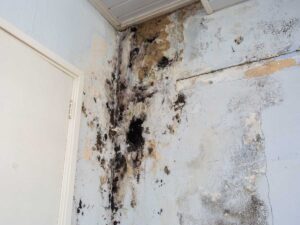 restoration process helps homeowners act quickly and avoid long-term problems. Proper cleaning not only restores carpets but also protects indoor air quality, structural materials, and overall property value.