Why Mold Removal Matters in Coconut Creek After Flooding
Flooding can cause serious damage to homes in Coconut Creek, especially when water remains inside building materials for extended periods. After a flood, moisture often lingers in drywall, flooring, insulation, and air systems, creating conditions where mold can begin to grow. Mold removal becomes an essential step in restoring a home safely, protecting structural materials, and maintaining healthy indoor air quality. Understanding why mold removal matters after flooding helps homeowners take the right steps to prevent long-term damage.
How Flooding Leads to Mold Growth
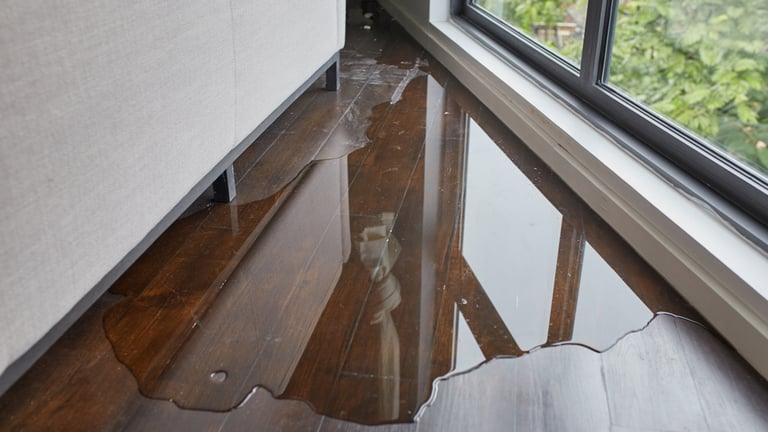
Floodwater does not only affect visible surfaces. Water can spread into hidden areas of a home, including wall cavities, subfloors, and insulation. In warm, humid environments like Coconut Creek, damp materials may remain wet long enough for mold to develop.
Flood-related mold growth often occurs because of:
- Standing water that is not removed quickly
- High indoor humidity after flooding
- Moisture trapped in drywall or insulation
- Wet carpet padding or subfloor materials
- Poor ventilation during drying
Even after surfaces appear dry, moisture may remain inside building materials.
Why Flooding Is a Common Problem in Coconut Creek
Homes in Coconut Creek are vulnerable to flooding due to several local factors:
- Heavy seasonal rains and storms
- Drainage issues after intense rainfall
- Plumbing leaks that release large volumes of water
- Roof leaks during storms
- High humidity slowing drying
These conditions make professional drying and mold prevention especially important after any flooding event.
Early Signs Mold May Be Developing
After flooding, mold does not always appear immediately. Homeowners should watch for warning signs such as:
- Musty or damp odors
- Dark spots on walls or ceilings
- Peeling paint or bubbling drywall
- Warped baseboards or flooring
- Increased indoor humidity
These signs often indicate moisture problems that should be inspected promptly.
Hidden Areas Where Mold Often Develops
Mold frequently grows in areas that are not visible during everyday use. Inspectors in Coconut Creek often find mold in:
- Behind drywall near flooded areas
- Beneath flooring or carpet padding
- Inside air ducts or air handlers
- Attic insulation affected by moisture
- Closets and storage spaces with limited airflow
Because these areas are concealed, mold can spread before becoming visible.
Why Mold Removal Is So Important After Flooding
Mold removal plays a critical role in restoring a home after water damage. Proper removal helps:
- Prevent mold from spreading to other areas
- Protect structural materials from deterioration
- Improve indoor air quality
- Eliminate persistent odors
- Reduce the likelihood of recurring moisture problems
Addressing mold early helps minimize repairs and prevent further damage.
Why DIY Mold Cleanup Often Falls Short
Homeowners sometimes attempt to clean mold using household cleaners or surface treatments. While this may remove visible staining, it rarely solves the underlying problem.
DIY cleanup may fail because:
- Moisture sources remain untreated
- Mold inside walls or ducts is not removed
- Contaminated materials are not properly handled
- Humidity levels remain too high
Professional mold removal focuses on both removing mold and correcting moisture conditions.
Step-by-Step Mold Removal Process
A professional mold removal project usually follows a structured process to ensure thorough results.
Step 1: Inspection and Moisture Detection
Technicians inspect the home to locate moisture sources and areas affected by mold.
Step 2: Containment of Affected Areas
Affected areas may be isolated to prevent mold from spreading during cleanup.
Step 3: Removal of Contaminated Materials
Heavily affected materials such as drywall, insulation, or carpet padding may be removed if they cannot be safely cleaned.
Step 4: Cleaning and Sanitizing
Structural surfaces are cleaned to remove mold residues and contaminants.
Step 5: Structural Drying
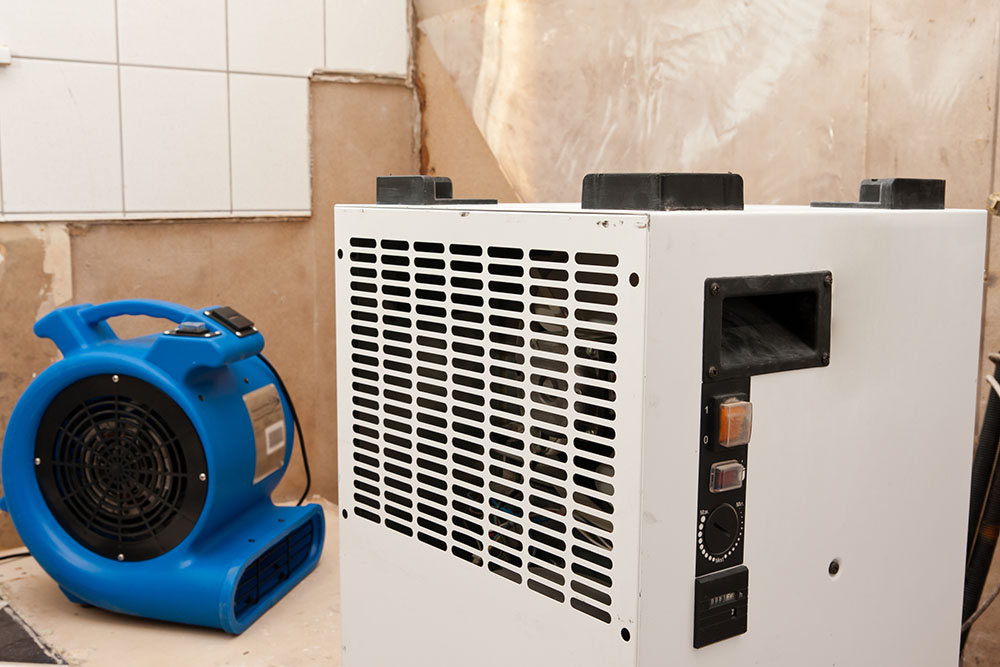
Air movers and dehumidifiers are used to remove moisture from building materials.
Step 6: Final Inspection and Monitoring
Moisture levels are monitored to ensure materials have dried properly.
Pompano Mold Inspection and Testing often evaluates mold conditions and moisture levels in Coconut Creek and surrounding Broward County communities, helping homeowners understand the extent of damage and necessary restoration steps.
Flood Restoration and Structural Repairs
Mold removal is often part of a larger flood restoration process. Restoration may also involve:
- Water extraction
- Drying structural components
- Repairing drywall or insulation
- Replacing damaged flooring
Addressing both water damage and mold ensures the home is fully restored.
HVAC Systems and Mold After Flooding
Flooding and high humidity can affect HVAC systems and air ducts. Moisture in these systems may lead to:
- Musty odors circulating through vents
- Mold growth in duct insulation
- Reduced airflow efficiency
Inspecting and cleaning HVAC components helps maintain indoor air quality after flooding.
Prevention Tips to Reduce Mold Risks After Flooding
Homeowners in Coconut Creek can take practical steps to reduce mold risks:
- Remove standing water as quickly as possible
- Increase airflow using fans and ventilation
- Use dehumidifiers to control humidity
- Inspect affected areas regularly after drying
- Repair leaks or drainage issues promptly
Preventive action helps reduce the likelihood of mold returning.
Monitoring Humidity and Moisture
Maintaining balanced humidity levels is essential after flooding. Helpful steps include:
- Running air conditioning to stabilize humidity
- Using dehumidifiers in damp areas
- Checking previously flooded rooms periodically
- Ensuring proper ventilation in closets and storage areas
Consistent humidity control helps prevent future mold problems.
Why Local Experience Matters
Flood restoration and mold removal in South Florida require an understanding of local climate conditions. Professionals familiar with Coconut Creek understand:
- How humidity affects drying times
- Typical flooding patterns after storms
- Common moisture problems in Broward County homes
This local knowledge helps restoration efforts be more effective.
A Practical Next Step for Homeowners
Mold removal is an essential step in protecting homes after flooding. Removing moisture, cleaning affected materials, and stabilizing humidity levels help prevent long-term structural damage and maintain indoor comfort.
With prompt action, proper inspections, and preventive maintenance, homeowners in Coconut Creek can restore their homes safely and reduce the risk of mold problems in the future.