

Fort Lauderdale Mold Removal in Coastal Homes: Risks and Prevention Methods
Living near the coast in Fort Lauderdale offers clear benefits, but it also comes with unique challenges for homeowners. Coastal humidity, salt air, frequent storms, and constant air conditioning create conditions where mold can develop quickly and spread quietly. In many coastal homes, mold problems are not the result of a single event but a combination of moisture sources that build up over time.
Understanding the risks specific to coastal homes and how proper mold removal and prevention work is essential for protecting Fort Lauderdale properties and avoiding repeated damage.
Why Coastal Homes in Fort Lauderdale Face Higher Mold Risk
Coastal air carries higher moisture content year-round. Even on dry days, humidity levels remain elevated, placing constant pressure on building materials.
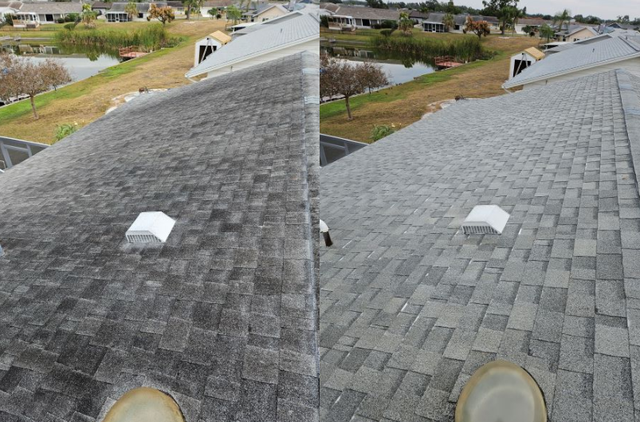
Salt air can accelerate wear on exterior components, roofing materials, and HVAC systems. As these materials degrade, small gaps form that allow moisture intrusion.
Storms and heavy rain are common, and wind-driven moisture can enter through roofs, windows, balconies, and exterior walls.
Air conditioning systems run most of the year to manage heat and humidity. When systems are strained or poorly ventilated, condensation issues become more frequent.
Together, these factors make coastal homes more vulnerable to mold growth than inland properties.
Common Mold Risk Areas in Coastal Homes
In Fort Lauderdale coastal homes, mold often develops inside wall cavities near exterior walls exposed to wind and rain.
Attics are a major risk area. Roof leaks and salt-related wear allow moisture to soak insulation and roof decking, often without immediate indoor signs.
Under flooring is another common problem zone, especially in slab-on-grade homes where moisture becomes trapped beneath tile, vinyl, or carpet.
HVAC systems are frequently involved. Condensation inside air handlers, return plenums, and ductwork supports mold growth and allows spores to circulate.
Bathrooms, closets, and laundry areas with limited ventilation are also high-risk spaces.
Early Warning Signs Homeowners Should Not Ignore
A persistent musty or damp odor is often the first indicator of mold activity in coastal homes.
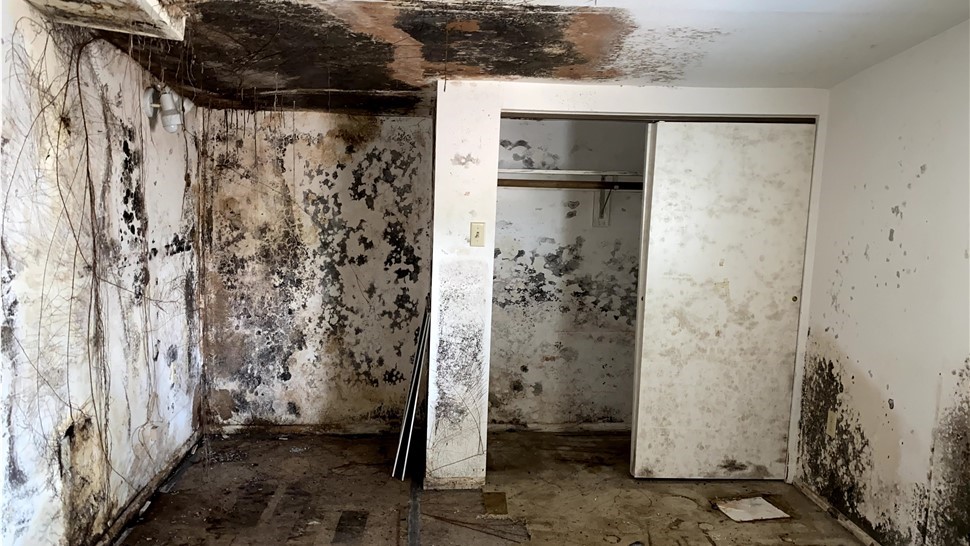
Discoloration on walls or ceilings, including gray, green, or dark staining, may appear gradually.
Paint that bubbles, peels, or cracks without an obvious leak often points to moisture behind surfaces.
Rooms that feel damp or humid even when the AC is running properly can signal hidden moisture problems.
Salt-related corrosion around vents or exterior penetrations may also indicate moisture intrusion.
Why Mold Removal Is More Complex in Coastal Homes
In coastal environments, mold problems are rarely isolated. Moisture often affects multiple areas at once.
Surface cleaning does not remove mold that has penetrated porous materials such as drywall, insulation, or wood framing.
High outdoor humidity makes drying more difficult, increasing the risk of mold returning if removal is incomplete.
Effective mold removal in coastal homes requires a structured process that addresses moisture sources, not just visible growth.
Step One: Professional Inspection and Moisture Detection
Mold removal begins with a detailed inspection. Moisture detection tools help identify hidden water inside walls, ceilings, floors, and insulation.
Inspectors evaluate exterior exposure, roof conditions, HVAC systems, and ventilation patterns common to coastal homes.
In some cases, mold testing helps confirm the presence and extent of contamination, especially when growth is hidden.
Accurate inspection ensures all affected areas are addressed.
Pompano Mold Inspection and Testing provides mold inspection and moisture evaluation services in Fort Lauderdale coastal homes with a focus on identifying hidden risks.
Step Two: Containment and Controlled Removal
Before removal begins, containment is established to prevent mold spores from spreading to unaffected areas.
This may include physical barriers and controlled airflow to isolate work zones.
Containment is especially important in coastal homes where air movement and humidity can spread contamination quickly.
Step Three: Removing Contaminated Materials
Materials that cannot be effectively cleaned, such as heavily affected drywall, insulation, or carpet padding, are carefully removed.
Porous materials are disposed of properly to eliminate the source of contamination.
Salvageable surfaces are cleaned using professional-grade methods designed for mold removal.
This step also exposes hidden moisture so drying can be completed thoroughly.
Step Four: Drying and Humidity Control
Drying is critical in coastal mold removal. High-capacity dehumidifiers and air movers are used to overcome outdoor humidity.
Moisture levels are monitored throughout the process to ensure materials return to safe, dry levels.
Without proper drying, mold is likely to return even after removal.
Step Five: Cleaning and Air Filtration
After removal and drying, remaining surfaces are cleaned to remove residual mold particles.
HEPA filtration helps capture airborne spores and improve indoor conditions.
This step supports a cleaner environment and reduces lingering odors.
Preventing Mold in Fort Lauderdale Coastal Homes
Prevention focuses on moisture management. Regular roof and exterior inspections help catch salt-related wear early.
Maintaining AC systems is essential. Clear drain lines, intact duct insulation, and proper airflow reduce condensation.
Improving ventilation in bathrooms, closets, and enclosed spaces helps control humidity.
Monitoring indoor humidity levels provides early warning of moisture problems.
After storms, inspections help identify hidden moisture before mold develops.
HVAC Systems and Coastal Mold Risk
HVAC systems are a major factor in coastal mold issues. Condensation inside air handlers and ducts is common in humid conditions.
Regular HVAC inspections help identify moisture problems early.
Addressing HVAC-related moisture reduces the risk of mold spreading through air circulation.
Why Local Experience Matters in Coastal Fort Lauderdale
Mold behavior varies by environment. Coastal Fort Lauderdale homes face challenges related to salt air, wind-driven rain, and persistent humidity.
Local professionals understand how moisture behaves in these conditions and where mold is most likely to develop.
This experience allows for more accurate inspections and more effective long-term solutions.
A Practical Approach for Coastal Homeowners
Mold removal in coastal homes requires more than cleaning visible growth. It demands a comprehensive approach that addresses moisture sources, drying, and prevention.
For Fort Lauderdale homeowners, understanding these risks and acting early helps prevent recurring mold problems and protects long-term property value.
Taking a proactive, informed approach is the most reliable way to manage mold risks in coastal living environments.