Understanding Flood Restoration in Margate: Practical Tips That Work
Flooding can happen quickly in Margate, especially during heavy rain, plumbing failures, or storm-related events. Even a small amount of water can spread through flooring, drywall, and insulation, creating moisture problems that may lead to structural damage and mold growth. Flood restoration is the process of removing water, drying affected areas, repairing damage, and restoring safe indoor conditions. Knowing what flood restoration involves and what practical steps homeowners can take helps reduce damage and speed up recovery.
What Flood Restoration Means
Flood restoration involves more than simply removing visible water. Moisture often penetrates building materials and can remain trapped long after the surface appears dry. Proper restoration focuses on eliminating moisture at all levels and stabilizing indoor humidity.
Flood restoration typically includes:
- Locating the source of water intrusion
- Extracting standing water
- Drying structural materials
- Dehumidifying indoor air
- Cleaning affected areas
- Repairing damaged materials
Each step plays an important role in restoring the home safely.
Why Flooding Is Common in Margate
Homes in Margate are exposed to environmental and structural factors that increase the likelihood of flooding:
- Heavy seasonal rains and storms
- High humidity that slows drying
- Roof leaks after strong winds
- Plumbing failures or appliance leaks
- Air-conditioning condensation issues
Because humidity slows evaporation, even minor flooding can lead to lingering moisture problems if not handled properly.
Early Signs of Flood Damage
Flood damage is not always immediately obvious. Homeowners should watch for early warning signs such as:
- Musty or damp odors
- Water stains on ceilings or walls
- Warped or buckling flooring
- Peeling paint or bubbling drywall
- Increased indoor humidity
These signs often indicate hidden moisture that should be inspected promptly.
Hidden Areas Where Water Often Spreads
Water frequently travels into areas that are not visible during daily use. Inspectors in Margate often find moisture in:
- Wall cavities and insulation
- Beneath flooring or carpet padding
- Inside cabinets or vanities
- Attic insulation after roof leaks
- Air handler closets and surrounding walls
Because these areas are concealed, moisture can remain present long enough to cause damage or mold growth.
Why Immediate Flood Restoration Is Important
Taking action quickly after flooding helps prevent:
- Mold growth in damp materials
- Structural deterioration of drywall and wood
- Persistent odors
- Damage to flooring and baseboards
- Increased repair costs
Prompt water removal and drying significantly reduce the extent of damage.
Step-by-Step Flood Restoration Process
Flood restoration usually follows a structured process to ensure thorough results.
Step 1: Inspection and Moisture Detection
Technicians assess the affected areas and measure moisture levels in building materials.
Step 2: Water Extraction
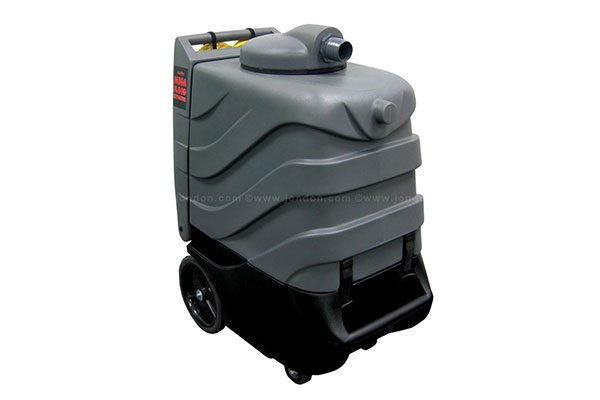
Standing water is removed using professional extraction equipment.
Step 3: Removal of Damaged Materials (If Necessary)
Materials that cannot be safely dried, such as saturated carpet padding or drywall, may be removed.
Step 4: Structural Drying
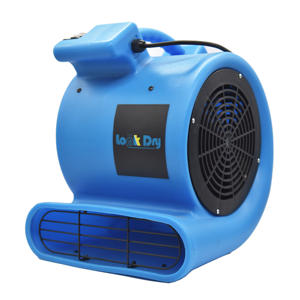
Air movers and dehumidifiers are used to remove moisture from walls, floors, and structural components.
Step 5: Cleaning and Sanitizing
Affected areas are cleaned to remove contaminants and reduce odors.
Step 6: Monitoring and Final Inspection
Moisture levels are checked regularly until materials reach safe levels.
Pompano Mold Inspection and Testing often evaluates moisture conditions and flood damage in Margate and surrounding Broward County communities, helping homeowners determine the extent of restoration needed.
Practical Tips That Work After Flooding
Homeowners can take several effective steps immediately after flooding:
Act Quickly
Remove standing water as soon as possible to reduce absorption into materials.
Increase Airflow
Use fans and ventilation to help moisture evaporate more quickly.
Use Dehumidifiers
Dehumidifiers help reduce indoor humidity and speed up drying.
Inspect Affected Areas Regularly
Check floors, walls, and closets for signs of moisture during the drying process.
Avoid Walking on Wet Carpets
Limiting foot traffic helps prevent damage to carpet fibers and padding.
These simple steps can significantly reduce the impact of flooding.
Mold Risks After Flooding
Floodwater and excess humidity create ideal conditions for mold growth. Mold may develop in:
- Drywall and insulation
- Carpet backing and padding
- Subfloor materials
- Air ducts and HVAC components
If mold is detected, remediation may include removing contaminated materials, cleaning surfaces, and thoroughly drying affected areas.
Water Damage Repairs After Restoration
After drying is complete, repairs may be needed to restore affected areas. Restoration may involve:
- Repairing drywall and insulation
- Replacing damaged flooring or baseboards
- Repairing cabinets or trim
- Repainting affected areas
Completing repairs helps return the home to safe and comfortable conditions.
HVAC Systems and Indoor Air Quality After Flooding
Flooding and high humidity can affect HVAC systems and indoor air quality. Moisture in air handlers or ductwork may lead to:
- Musty odors circulating through vents
- Condensation buildup
- Reduced airflow efficiency
Inspecting HVAC systems after flooding helps prevent additional problems and improves indoor air conditions.
Prevention Tips to Reduce Future Flood Damage
Homeowners in Margate can reduce the risk of flooding by following practical maintenance steps:
- Inspect roofs and flashing regularly
- Maintain plumbing and appliances
- Keep gutters and drainage systems clear
- Monitor indoor humidity levels
- Address leaks immediately
Routine maintenance often prevents small issues from becoming major repairs.
Why Local Experience Matters
Flood restoration in South Florida requires an understanding of local climate and construction conditions. Professionals familiar with Margate understand:
- How humidity affects drying times
- Typical moisture patterns after storms
- Common plumbing and roofing issues in Broward County homes
This local knowledge helps restoration efforts be more effective.
A Practical Next Step for Homeowners
Flood restoration is an essential step in protecting homes from long-term moisture damage. Removing water quickly, drying materials thoroughly, and maintaining proper humidity levels help preserve structural materials and indoor air quality.
With prompt action, proper inspections, and preventive maintenance, homeowners in Margate can keep their homes dry, comfortable, and protected from flood-related damage.