Mold Inspection Services in Coconut Creek from Poor Ventilation: Costs, Causes, and Solutions
Poor ventilation is one of the most common but least recognized causes of mold problems in Coconut Creek homes. Many homeowners associate mold only with floods or major leaks, yet mold often develops in areas where air circulation is limited and moisture becomes trapped over time. Bathrooms, laundry rooms, attics, and even closets can become ideal environments for mold growth when ventilation is inadequate.
Mold inspection services play an important role in identifying these hidden problems, determining the source of moisture, and helping homeowners understand the steps needed to correct the issue before it spreads.
What the Mold or Water Issue Is
Mold develops when moisture and organic materials are present in a space that lacks proper airflow. Poor ventilation allows humidity to remain trapped, especially in enclosed areas. Over time, this moisture accumulates in drywall, wood, insulation, and other building materials.
Unlike water damage from a sudden leak, ventilation-related mold problems often develop slowly. Because there may be no visible water source, the issue can go unnoticed until odors or visible staining appear.
Common locations affected by poor ventilation include:
- Bathrooms without functional exhaust fans
- Kitchens where steam accumulates
- Laundry rooms with limited airflow
- Attics with blocked vents
- Closets located on exterior walls
These spaces may feel slightly damp or humid, even when the rest of the home appears normal.
Why This Happens So Often in Coconut Creek
Coconut Creek’s warm, humid climate naturally increases indoor moisture levels. When ventilation is limited, that moisture has nowhere to escape.
Several local conditions contribute to the problem:
High outdoor humidity
Air entering the home already contains moisture, making proper airflow essential.
Frequent rainfall
Storms and heavy seasonal rains raise humidity levels both indoors and outdoors.
Air conditioning systems
While AC units remove humidity, they cannot fully compensate for enclosed areas with little or no airflow.
Modern energy-efficient construction
Some homes are tightly sealed to improve energy efficiency, which can reduce natural air exchange and trap moisture inside.
Because of these factors, poor ventilation becomes a common trigger for mold growth in Coconut Creek and nearby communities such as Margate, Deerfield Beach, and Pompano Beach.
Common Signs Homeowners Notice
Mold caused by poor ventilation often produces subtle warning signs before visible growth appears. Homeowners may notice:
- A musty odor in certain rooms
- Condensation on windows or walls
- Paint that bubbles or peels
- Discoloration in corners or around vents
- Persistent humidity even when the AC is running
These symptoms usually indicate that moisture is accumulating in areas where air is not circulating properly.
Hidden or Overlooked Sources
Ventilation problems often occur in areas that homeowners rarely inspect. Some of the most overlooked sources include:
Blocked or disconnected exhaust fans
Fans that are clogged or venting into attics instead of outdoors can increase moisture levels.
Attic ventilation issues
Insufficient ridge or soffit vents can trap warm, humid air above the ceiling.
Closets and storage areas
These spaces often lack airflow and can remain humid for long periods.
Air ducts with restricted airflow
Dirty or blocked ducts can reduce circulation, allowing humidity to build up in certain rooms.
Because these sources are not always visible, professional inspection is often necessary to locate the root cause.
Why DIY Mold Removal Usually Fails
Homeowners sometimes attempt to clean mold using household cleaners. While this may remove surface staining, it does not address the underlying moisture or ventilation issue.
DIY methods often fail because:
- Mold roots remain embedded in porous materials
- Hidden growth behind walls is not treated
- Moisture sources remain uncorrected
- Air circulation problems continue
Without solving the ventilation problem, mold frequently returns.
Professional Mold Inspection & Testing Explained
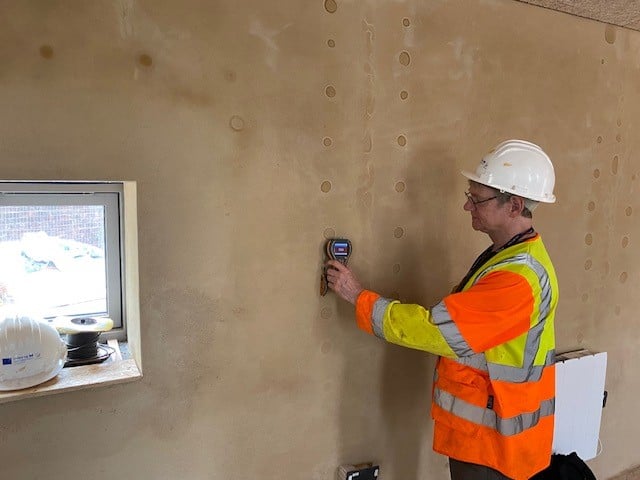
Professional mold inspection focuses on identifying both visible and hidden contamination, as well as determining the cause of moisture buildup.
A thorough inspection may include:
- Moisture readings in walls and ceilings
- Visual inspection of ventilation systems
- Evaluation of attic airflow and insulation
- Examination of HVAC components
- Testing when necessary to confirm contamination
Companies such as Pompano Mold Inspection and Testing perform inspections in Coconut Creek and throughout Broward County, helping homeowners understand whether poor ventilation is contributing to mold growth.
Proper Mold Removal & Remediation Process
When mold is confirmed, remediation addresses both the contamination and the environmental conditions that allowed it to develop.
Typical steps include:
- Containing affected areas
- Removing contaminated materials when necessary
- Cleaning structural surfaces
- Drying the area thoroughly
- Improving ventilation or airflow
Correcting ventilation issues is essential to prevent recurrence.
Flood Restoration & Water Damage Repair
Even when mold is primarily caused by ventilation problems, minor water intrusion or past moisture events may contribute to the issue. Restoration professionals evaluate whether hidden moisture remains in structural materials and ensure that affected areas are fully dried.
Drying and repair work may include:
- Removing damp insulation
- Drying wall cavities
- Repairing damaged drywall or trim
- Monitoring humidity levels
These steps help stabilize indoor conditions and prevent future problems.
Air Ducts, AC Systems & Mold
HVAC systems play an important role in ventilation and moisture control. If ducts are dirty or airflow is restricted, humidity may remain trapped in certain areas of the home.
Common contributing factors include:
- Clogged air filters
- Dirty evaporator coils
- Blocked vents
- Duct leaks or poor insulation
Routine inspection and cleaning of air ducts help maintain proper airflow and reduce the likelihood of moisture buildup.
How to Prevent Mold in Coconut Creek Homes
Preventing mold caused by poor ventilation often involves simple but consistent maintenance. Homeowners can reduce risk by:
- Using bathroom and kitchen exhaust fans regularly
- Keeping air filters clean
- Ensuring attic vents are clear and functional
- Allowing airflow in closets and storage spaces
- Monitoring indoor humidity levels
- Scheduling periodic inspections
Improving airflow and reducing humidity are the most effective long-term solutions.
Why Local Experience Matters
Mold inspections in South Florida require an understanding of how climate, building materials, and ventilation systems interact. Homes in Coconut Creek, Lighthouse Point, North Lauderdale, Lauderdale-by-the-Sea, and Fort Lauderdale all experience similar environmental conditions, but each property has unique airflow patterns and structural characteristics.
Professionals familiar with the region can identify ventilation-related mold issues more quickly and recommend practical solutions. Pompano Mold Inspection and Testing has experience working in these communities and understands how poor ventilation contributes to mold growth in Broward County homes.
A Calm, Practical Approach to Moving Forward
Poor ventilation may seem like a minor issue, but over time it can lead to persistent moisture and mold growth. Mold inspection services provide homeowners with clear information about the condition of their property and the steps needed to correct the problem.
If musty odors, humidity, or discoloration appear in enclosed areas, scheduling an inspection is a practical step. Addressing ventilation and moisture issues early helps protect the structure of the home, improve indoor comfort, and prevent more extensive repairs in the future.