


Understanding Flood Restoration in Lighthouse Point: A Complete Homeowner Guide
Flooding in Lighthouse Point can happen quickly and leave behind damage that is not always obvious at first glance. Heavy rain, coastal storms, drainage issues, and plumbing failures can all introduce water into homes, where it spreads rapidly through floors, walls, and structural materials. Even when standing water is removed, hidden moisture can continue causing damage if restoration is not handled correctly.
Flood restoration is a structured process designed to remove water, dry the home thoroughly, address affected materials, and prevent long-term problems. Understanding how this process works helps Lighthouse Point homeowners protect their property and avoid repeat damage.
Why Flooding Is a Common Risk in Lighthouse Point
Lighthouse Point’s coastal location makes it especially vulnerable to flooding. Heavy rainfall can overwhelm drainage systems, while storm surge and wind-driven rain increase the risk of water intrusion.
Many homes are built close to sea level, allowing groundwater to rise quickly during storms. Slab foundations can trap moisture beneath flooring after flooding.
High humidity slows natural drying, meaning floodwater remains active inside materials longer than homeowners expect.
Air conditioning systems often run continuously after flooding, and if drainage systems are compromised, they can add to moisture problems instead of reducing them.
Common Causes of Flooding in Residential Homes
Storm-related flooding is one of the most common causes. Heavy rain can enter through doors, windows, garages, and exterior walls.
Plumbing failures such as burst pipes, failed supply lines, or water heater leaks can release large volumes of water quickly.
Blocked or damaged drains can cause water to back up into living spaces.
AC system failures, including clogged drain lines or overflow, can also contribute to flooding over time.
In some cases, multiple sources combine, making restoration more complex.
How Floodwater Spreads Inside the Home
Once water enters a home, it moves fast. It spreads across floors and seeps into baseboards, drywall, and insulation.
Porous materials such as carpet padding, wood, drywall, and insulation absorb water and release it slowly back into the air.
Water can travel far from the original entry point, collecting inside wall cavities, under flooring, and in adjacent rooms.
Because of this movement, visible water often represents only part of the total damage.
Early Warning Signs of Hidden Flood Damage
Standing water is obvious, but hidden damage often appears later. Musty or damp odors after cleanup usually indicate lingering moisture.
Discoloration on walls or ceilings, even light staining, can signal water trapped behind surfaces.
Warped flooring, loose baseboards, or soft drywall are signs that materials absorbed water.
Rooms that feel humid or slow to dry may still contain hidden moisture.
Flood restoration focuses on identifying and addressing these hidden issues.
Why Flood Restoration Requires More Than Water Removal
Removing visible water is only the first step. Without proper drying, moisture remains inside materials and continues causing damage.
Surface drying can give a false sense of security. Walls and floors may look dry while moisture stays trapped underneath.
Flood restoration is designed to address both visible water and hidden moisture to prevent future problems.
Skipping steps often leads to recurring damage weeks or months later.
Step One: Flood Damage Assessment and Moisture Detection
Flood restoration begins with a detailed assessment. This includes identifying the source of flooding and evaluating how far water spread.
Moisture detection tools are used to locate water inside walls, ceilings, floors, and insulation.
This step creates a clear map of affected areas and prevents missed moisture.
Accurate assessment ensures restoration efforts are targeted and effective.
Step Two: Water Removal and Extraction
Standing water is removed using professional extraction equipment.
Fast water removal limits how far moisture spreads and reduces the amount absorbed by materials.
In Lighthouse Point’s humid climate, quick extraction is critical to controlling damage.
This step sets the foundation for proper drying.
Step Three: Structural Drying and Dehumidification
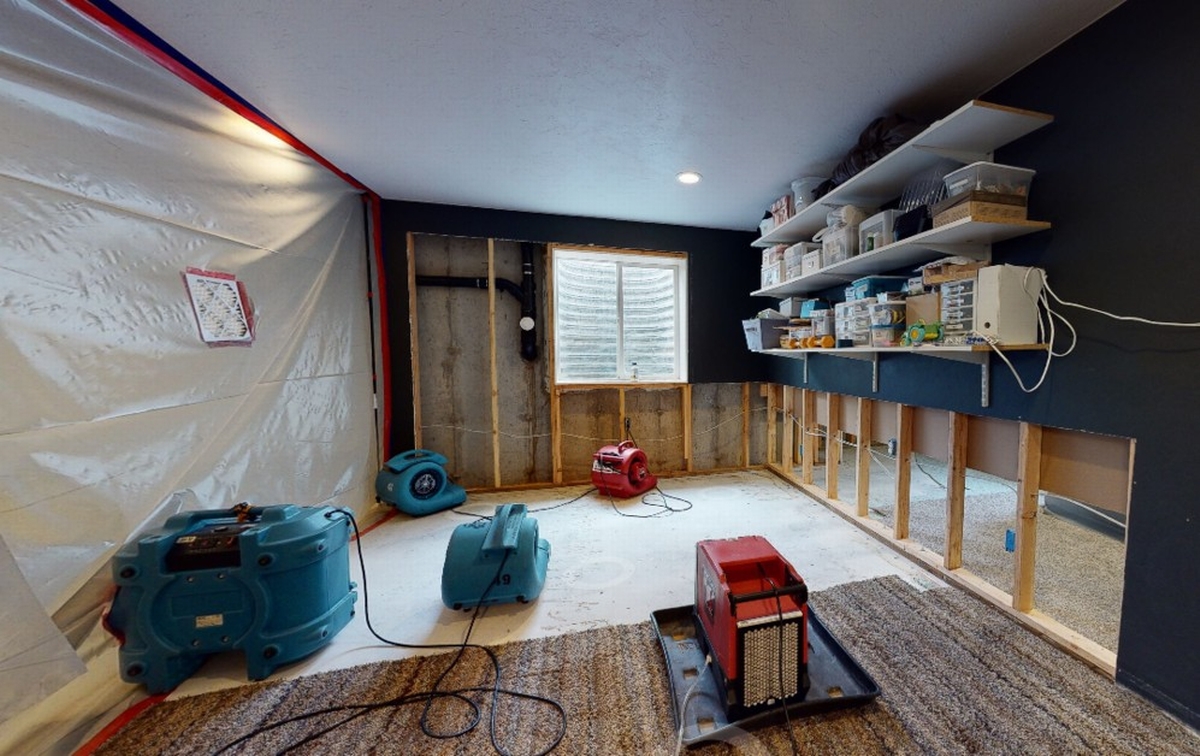
After water removal, drying begins. High-capacity air movers and dehumidifiers are used to remove moisture from materials and indoor air.
Drying must overcome high outdoor humidity, which often slows the process in coastal homes.
Moisture levels are monitored throughout drying to confirm materials return to safe levels.
Drying is not complete until moisture readings confirm it.
Step Four: Cleaning and Material Evaluation
Floodwater often carries debris and residue. Affected surfaces are cleaned to remove contaminants left behind by water.
Materials are evaluated to determine whether they can be salvaged or need replacement.
Some materials, such as saturated insulation or carpet padding, may need removal to ensure proper drying.
This step prevents odors and long-term deterioration.
Step Five: Addressing the Flood Source
Flood restoration is not complete until the cause of flooding is corrected.
This may involve plumbing repairs, drainage improvements, roof repairs, or AC system corrections.
Addressing the source protects the home from future flooding events.
Without this step, damage is likely to recur.
Flood Restoration and Mold Prevention
Moisture from flooding creates ideal conditions for mold growth, especially in Lighthouse Point’s humid environment.
Proper flood restoration removes moisture before mold has time to develop.
Early drying and moisture control significantly reduce the risk of mold-related problems.
This is one of the most important benefits of thorough restoration.
HVAC Systems and Flood Damage
Flooding can affect HVAC systems directly or indirectly. Water near air handlers or ductwork introduces moisture into the system.
Duct insulation and return plenums may absorb water and release moisture back into the home.
Flood restoration often includes evaluating HVAC components to ensure they are dry and not contributing to ongoing issues.
Addressing HVAC moisture supports long-term indoor stability.
Practical Prevention Tips for Homeowners
Inspect doors, windows, and exterior seals before storm season.
Keep drains and gutters clear to reduce water backup.
Address plumbing issues immediately to prevent sudden failures.
After flooding, avoid sealing or repairing areas until moisture levels are confirmed dry.
Schedule inspections after major storms, even if flooding appears minor.
Maintain AC systems to manage indoor humidity effectively.
Why Local Experience Matters in Lighthouse Point
Flood behavior varies by location. Lighthouse Point homes face specific challenges related to coastal exposure, drainage patterns, and humidity.
Local professionals understand how water typically enters homes in this area and where it tends to remain trapped.
This experience leads to more accurate restoration and stronger prevention strategies.
A Clear Path to Full Recovery
Flood restoration in Lighthouse Point is a step-by-step process built on assessment, water removal, drying, cleaning, and prevention.
When handled correctly, it protects the structure, reduces future risk, and restores the home to stable conditions.
For homeowners, understanding the flood restoration process makes it easier to take the right steps after flooding and avoid long-term damage in a challenging coastal environment.