

Understanding Mold Inspection and Testing in North Lauderdale: Warning Signs and Prevention Tips
Homes in North Lauderdale face constant moisture pressure. High humidity, frequent rain, aging plumbing, and long air-conditioning cycles create conditions where mold can develop quietly. In many cases, mold problems exist long before anything visible appears, making inspection and testing an important step for homeowners who want clarity instead of guesswork.
Mold inspection and testing help identify hidden issues early, confirm whether conditions support mold growth, and guide prevention before damage spreads. Understanding how this process works and what warning signs to watch for can help North Lauderdale homeowners protect their property long-term.
Why Mold Is a Common Issue in North Lauderdale Homes
North Lauderdale experiences warm temperatures and elevated humidity most of the year. Moisture evaporates slowly, allowing damp materials to stay wet longer.
Storms and heavy rain increase the risk of water intrusion through roofs, windows, and exterior walls. Even minor leaks can introduce moisture into wall cavities and ceilings.
Air conditioning systems run almost continuously. When drain lines clog, ducts sweat, or airflow is restricted, condensation forms and feeds hidden moisture problems.
Slab foundations common in the area can trap moisture beneath flooring after leaks or flooding, creating ideal conditions for mold to develop out of sight.
Common Warning Signs Homeowners Should Not Ignore
A persistent musty or earthy odor is often the earliest sign of mold activity, especially if it worsens when the AC is running.
Discoloration on walls or ceilings, even light gray, brown, or green staining, can indicate moisture behind surfaces.
Paint that bubbles, peels, or cracks without an obvious plumbing leak is another common red flag.
Warped baseboards, soft drywall, or flooring that feels uneven suggest prolonged moisture exposure.
Rooms that feel damp or humid despite normal AC operation can also point to hidden moisture issues.
These signs do not confirm mold on their own, but they strongly indicate the need for inspection.
Where Mold Commonly Hides in North Lauderdale Homes
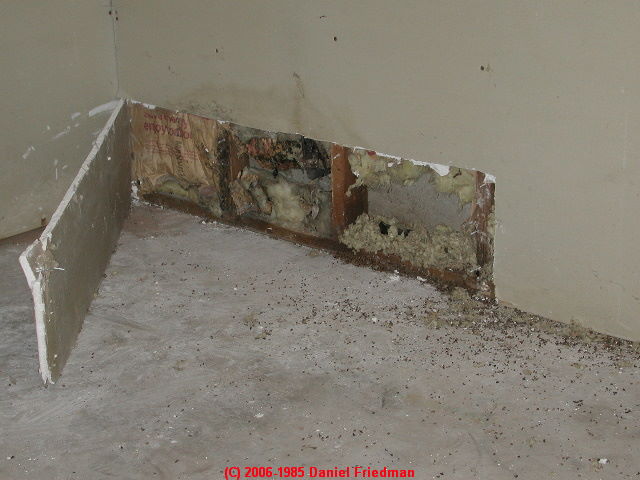
Mold often develops in areas homeowners rarely inspect. Wall cavities near plumbing lines are frequent problem spots due to slow leaks.
Attics are another high-risk area, especially after storms. Wet insulation and roof decking can support mold growth without immediate indoor signs.
Under flooring is a common location in slab-on-grade homes, where moisture becomes trapped beneath tile, vinyl, or carpet.
HVAC systems may also harbor mold. Condensation inside air handlers, return plenums, or ductwork can support growth and spread spores through airflow.
Because these areas are hidden, inspection and testing play a key role.
Mold Inspection vs Mold Testing Explained
Mold inspection focuses on identifying moisture sources, visible growth, and areas at risk. It answers where problems may exist and why.
Mold testing provides additional information when needed. It helps confirm whether mold is present, whether indoor conditions are affected, and whether hidden growth is likely.
Testing is especially useful when mold is suspected but not visible, when odors persist, or when past water damage raises concerns.
Inspection and testing together provide a clearer picture than either alone.
How Professional Mold Inspection Works
A professional inspection starts with a review of the home’s history, including leaks, flooding, or humidity issues.
Inspectors examine visible areas and use moisture detection tools to check walls, ceilings, floors, and insulation for hidden dampness.
HVAC systems, attics, bathrooms, and other high-risk areas are evaluated closely.
The goal is to identify moisture pathways and conditions that support mold growth, not just visible symptoms.
How Mold Testing Is Used During the Process
Mold testing is performed selectively, based on inspection findings.
It may help confirm whether hidden areas are affected or whether indoor conditions differ from normal background levels.
Results are interpreted alongside moisture readings, ventilation conditions, and building layout.
Testing alone does not identify the cause, but it helps guide next steps and prevention strategies.
Mold Inspection and Testing After Water Damage
After plumbing leaks, roof leaks, or flooding, surfaces may dry while moisture remains trapped inside materials.
Mold inspection and testing after water damage help determine whether hidden areas were affected and whether mold is developing.
This step is especially important before repairs, repainting, or closing walls.
Early evaluation helps prevent future remediation costs.
Why DIY Checks Often Miss Mold Problems
Many homeowners rely on visual checks or household products to address concerns.
Mold often grows inside porous materials such as drywall, insulation, and wood, where it cannot be seen.
Surface cleaning does not address hidden moisture or growth.
Without moisture detection and proper inspection, underlying problems are often missed.
Professional inspection provides clarity and reduces uncertainty.
Prevention Tips That Work in North Lauderdale Homes
Address plumbing leaks and water intrusion immediately, even if damage appears minor.
Maintain AC systems regularly to prevent drain line clogs and condensation issues.
Improve ventilation in bathrooms, laundry rooms, and closets.
Monitor indoor humidity levels, especially during warmer months.
Inspect attics, ceilings, and floors after storms.
Avoid sealing or repainting areas until moisture levels are confirmed dry.
Schedule periodic inspections for older homes or properties with a history of moisture problems.
How Mold Inspection Supports Long-Term Prevention
Mold inspection and testing are not just reactive tools. They help identify conditions that could lead to future problems.
By correcting moisture sources early, homeowners reduce the likelihood of mold returning.
Inspection also helps verify whether previous repairs or drying efforts were effective.
This proactive approach protects both the structure and indoor conditions.
Why Local Experience Matters in North Lauderdale
Mold behavior varies by location. North Lauderdale homes face specific challenges related to humidity, storm patterns, and construction styles.
Local professionals understand where moisture typically hides and how mold develops in these environments.
This experience leads to more accurate inspections and more effective prevention strategies.
A Practical Takeaway for Homeowners
Mold inspection and testing in North Lauderdale provide clarity when moisture, odors, or past water damage raise concerns. Recognizing early warning signs and acting promptly helps prevent small issues from becoming costly repairs.
For homeowners, an informed and preventive approach is the most reliable way to manage mold risk and protect long-term property value in a humid South Florida climate.