

AC Moisture Repair in Lighthouse Point: Early Signs You Should Not Ignore
In Lighthouse Point homes, air conditioning systems run almost year-round to manage heat and humidity. While AC keeps indoor spaces comfortable, it is also one of the most common sources of hidden moisture damage. When condensation is not draining or evaporating properly, moisture builds up quietly inside ceilings, walls, floors, and HVAC components.
Ignoring early warning signs allows small AC moisture issues to turn into widespread damage. Understanding what to watch for and how AC moisture repair works helps Lighthouse Point homeowners act early and avoid costly repairs.
Why AC Moisture Problems Are Common in Lighthouse Point
Lighthouse Point’s coastal location means high humidity is a constant factor. Warm, moisture-heavy air comes into contact with cold AC components, creating condensation as part of normal operation.
AC systems in this area run for long hours. Over time, drain lines clog, drain pans wear down, insulation deteriorates, and airflow becomes restricted.
Many homes have air handlers located in closets, hallways, or attics with limited ventilation. These enclosed spaces trap moisture and slow drying.
Salt air and coastal exposure can also accelerate corrosion of HVAC components, increasing the risk of leaks and condensation problems.
Early Warning Signs You Should Not Ignore
Water stains on ceilings or walls near vents, hallways, or air handler closets are often the first visible sign.
A musty or damp odor that becomes stronger when the AC runs usually points to hidden moisture near HVAC components.
Paint that bubbles, peels, or cracks without a plumbing leak is a common indicator of condensation behind surfaces.
Warped baseboards, soft drywall, or damp flooring near AC units suggest ongoing moisture exposure.
Excessive condensation on vents or around air returns may signal airflow or insulation problems.
Rooms that feel humid or sticky even when the AC is running properly often indicate the system is not removing moisture effectively.
Common Causes of AC Moisture Damage
Clogged condensate drain lines are one of the most frequent causes. When water cannot drain properly, it overflows into ceilings or walls.
Cracked or rusted drain pans allow water to leak slowly and repeatedly.
Poor airflow caused by dirty filters, blocked returns, or duct restrictions leads to excessive condensation on coils and duct surfaces.
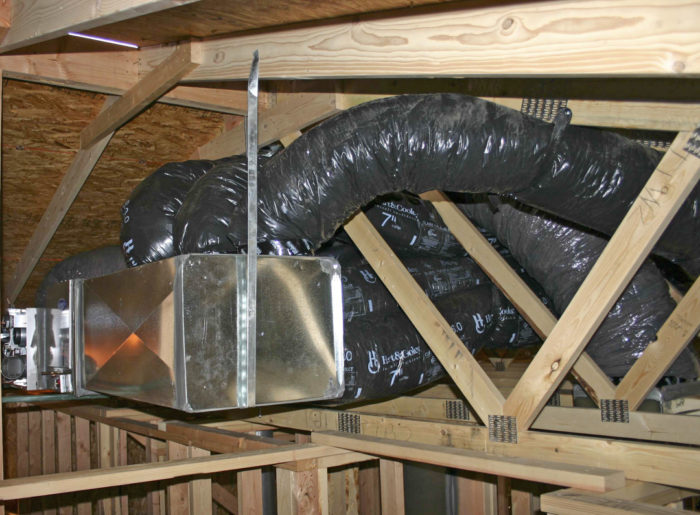
Sweating ducts occur when duct insulation fails, allowing warm air to condense on cold duct surfaces.
Improper system sizing can also contribute. Systems that cool too quickly may not remove enough humidity.
Ventilation issues around air handlers trap moisture and prevent proper evaporation.
Why AC Moisture Damage Often Goes Unnoticed
AC moisture problems usually develop slowly. Small amounts of water may leak intermittently rather than constantly.
Because moisture spreads inside walls or ceilings, homeowners often do not see active dripping.
High humidity can make areas feel consistently damp, masking changes that would otherwise signal a problem.
By the time visible damage appears, moisture may have been active for weeks or months.
How Professional AC Moisture Repair Works
AC moisture repair begins with a detailed inspection of the HVAC system and surrounding building materials.
Moisture detection tools are used to locate damp areas inside ceilings, walls, and floors near AC components.
Drain lines and drain pans are inspected for blockages, cracks, or improper slope.
Airflow is evaluated to determine whether restricted circulation is causing excess condensation.
Ductwork is checked for insulation failure and sweating.
Once the cause is identified, repairs focus on correcting the source rather than masking symptoms.
Pompano Mold Inspection and Testing provides AC moisture repair services in Lighthouse Point with an emphasis on identifying hidden moisture early and preventing repeat damage.
Typical AC Moisture Repair Solutions
Clearing and flushing clogged condensate drain lines.
Repairing or replacing damaged drain pans.
Improving airflow by correcting return air or duct restrictions.
Repairing or upgrading duct insulation to stop sweating.
Improving ventilation around air handlers located in closets or utility spaces.
Drying affected building materials if moisture has already spread.
Each solution is based on inspection findings, not assumptions.
Why Early AC Moisture Repair Matters
Small moisture issues are easier and less expensive to correct than widespread damage.
Early repair prevents deterioration of drywall, insulation, flooring, and structural components.
Addressing moisture early also reduces the risk of mold development, which often follows prolonged condensation.
Early action limits disruption and preserves long-term home value.
AC Moisture and Mold Risk
Moisture from AC systems is one of the leading contributors to mold growth in Lighthouse Point homes.
Damp drywall, insulation, and dust inside HVAC components create ideal conditions for mold to develop.
Correcting AC moisture problems early is one of the most effective ways to prevent mold-related repairs later.
AC moisture repair plays a key role in long-term moisture control.
Practical Prevention Tips for Homeowners
Change AC filters regularly to support proper airflow.
Schedule routine AC inspections to catch drainage and insulation issues early.
Inspect ceilings and walls near air handlers for subtle changes.
Ensure air handler closets are not overcrowded and have adequate airflow.
Pay attention to new odors or humidity changes, especially during peak summer months.
Address small signs promptly instead of waiting for visible damage.
Why Local Experience Matters in Lighthouse Point
AC moisture behavior varies by location. Lighthouse Point homes face unique challenges related to coastal humidity, salt exposure, and construction layouts.
Local professionals understand where AC moisture problems typically develop in these homes and how to correct them effectively.
This experience leads to more accurate inspections and longer-lasting solutions.
A Practical Takeaway for Homeowners
AC moisture damage rarely starts with a major leak. It begins with subtle warning signs that are easy to ignore.
For Lighthouse Point homeowners, recognizing early signs and addressing AC moisture problems promptly helps prevent costly repairs and recurring damage.
Taking a proactive approach to AC moisture repair protects comfort, indoor conditions, and long-term property value in a demanding coastal environment.