
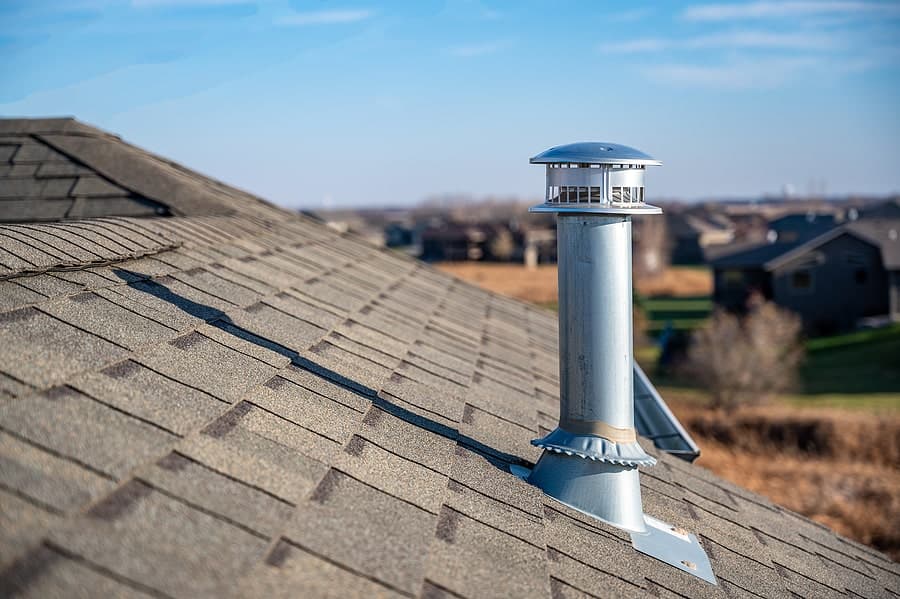
How Indoor Air Quality Improvement Helps Homes in Lauderdale-by-the-Sea From Poor Ventilation
Homes in Lauderdale-by-the-Sea are built to handle coastal weather, but many still struggle with poor ventilation. Tight construction, constant air conditioning, and high outdoor humidity can trap stale, moisture-laden air indoors. Over time, this affects comfort, odors, and how a home feels day to day. Improving indoor air quality is one of the most effective ways to correct the hidden effects of poor ventilation in a coastal environment.
Rather than focusing on temperature alone, indoor air quality improvement addresses how air moves, how moisture behaves, and how fresh air is exchanged inside the home.
Why Poor Ventilation Is Common in Coastal Homes
In Lauderdale-by-the-Sea, homes are designed to keep humid outdoor air out. While this helps with energy efficiency, it can also reduce natural air exchange. Windows stay closed most of the year, and air conditioning systems recirculate the same indoor air repeatedly.
High humidity outdoors discourages natural ventilation, especially during warmer months. Over time, stale air, excess moisture, and odors build up indoors, particularly in homes with limited exhaust ventilation or older HVAC layouts.
This combination makes poor ventilation a common issue in coastal properties.
How Poor Ventilation Affects Indoor Air Quality
When air does not circulate properly, moisture and airborne particles remain trapped inside the home. Humidity levels rise, making rooms feel damp or uncomfortable even when the AC is running.
Odors linger longer than they should. Air can feel heavy or stale, especially in bedrooms, bathrooms, and living areas that lack adequate airflow. In some homes, poor ventilation contributes to uneven temperatures and inconsistent comfort between rooms.
These issues are often signs that indoor air quality needs attention, not just cooling adjustments.
The Role of Moisture in Ventilation Problems
Moisture plays a major role in ventilation-related air quality issues. In Lauderdale-by-the-Sea, humid outdoor air combined with limited air exchange allows moisture to accumulate indoors.
Bathrooms, kitchens, and laundry areas are common trouble spots when exhaust systems are weak or underused. Attics with inadequate ventilation can trap heat and moisture, which then affects ceiling spaces and ductwork below.
Improving indoor air quality focuses on managing moisture as much as improving airflow.
Hidden Areas Where Ventilation Problems Start
Poor ventilation issues often originate in areas homeowners rarely inspect. Attics are a major factor, especially when insulation blocks airflow or vents are undersized.
Wall cavities and ceiling spaces can trap warm, moist air that slowly affects indoor conditions. HVAC ductwork may circulate humid air repeatedly if fresh air exchange is limited.
Without proper assessment, these hidden areas continue influencing indoor air quality long after symptoms appear.
Common Signs That Ventilation Is Affecting Your Home
Homeowners often notice indirect signs of poor ventilation. Musty or stale odors are common, especially after the home has been closed up for long periods.
Some rooms may feel stuffy or uncomfortable despite normal temperatures. Humidity may feel higher indoors than expected. Condensation may appear on vents or windows during heavy AC use.
These signs suggest air quality improvement may be needed to restore balance inside the home.
Why Adjusting the Thermostat Is Not the Solution
Lowering the thermostat may improve comfort temporarily, but it does not fix ventilation problems. In fact, running the AC harder can increase condensation and worsen humidity issues if airflow and ventilation are not balanced.
Indoor air quality improvement looks beyond temperature. It focuses on how air enters, exits, and circulates through the home, ensuring moisture and stale air are properly managed.
True improvement requires addressing airflow, not just cooling output.
How Indoor Air Quality Improvement Works
Improving indoor air quality starts with understanding how air moves through the home. Inspections often focus on ventilation pathways, attic airflow, HVAC performance, and moisture-prone areas.
Solutions may include improving exhaust ventilation, correcting airflow imbalances, addressing duct-related issues, and managing indoor humidity more effectively. In some cases, air duct cleaning or moisture detection supports the overall improvement plan.
The goal is balanced airflow that supports comfort and moisture control.
The Connection Between Ventilation and HVAC Systems
HVAC systems play a central role in indoor air quality. When ventilation is limited, HVAC systems recirculate the same air repeatedly, allowing humidity and odors to persist.
Improving ventilation helps HVAC systems operate more efficiently by reducing moisture load and improving airflow. In coastal homes, this can significantly improve comfort without overworking the system.
Addressing ventilation also helps reduce condensation-related issues within ducts and air handlers.
Long-Term Benefits of Indoor Air Quality Improvement
Homes with proper ventilation feel more comfortable and consistent. Odors dissipate faster, humidity feels more controlled, and rooms maintain balanced temperatures.
Improved air quality also supports the longevity of building materials by reducing excess moisture. Over time, this reduces maintenance concerns and helps protect the structure in a coastal climate.
For homeowners, these improvements translate into a home that simply feels better to live in.
Why Local Experience Matters in Lauderdale-by-the-Sea
Ventilation challenges in Lauderdale-by-the-Sea are shaped by salt air, humidity, and coastal construction styles. Solutions that work inland may not perform the same near the coast.
Professionals familiar with the area understand how ventilation, moisture, and HVAC systems interact locally. Companies like Pompano Mold Inspection and Testing bring that regional understanding when evaluating indoor air quality concerns in coastal homes.
Local insight helps ensure improvements are effective and appropriate for the environment.
A Practical Way to Improve Comfort in Coastal Homes
Poor ventilation doesn’t always cause obvious damage, but it quietly affects how a home feels every day. Indoor air quality improvement addresses the root causes of discomfort rather than masking symptoms.
For Lauderdale-by-the-Sea homeowners, improving indoor air quality is a practical step toward better comfort, balanced humidity, and a healthier indoor environment in a coastal setting where airflow truly matters.