

Property Owner Guide to Black Mold Removal in North Lauderdale
Black mold problems in North Lauderdale properties rarely start as visible patches on walls. They usually develop quietly after prolonged moisture exposure from leaks, humidity, flooding, or air-conditioning condensation. By the time black mold is noticed, it often means moisture has been present for an extended period.
For property owners, understanding how black mold develops, how removal works, and how to prevent repeat issues is critical. In North Lauderdale’s humid environment, proper black mold removal is as much about moisture control as it is about cleanup.
What Black Mold Is and Why It Develops Indoors
Black mold is a type of mold that thrives in damp, low-airflow environments. Indoors, it feeds on organic materials such as drywall, wood, insulation, dust, and carpet backing.
In North Lauderdale properties, black mold almost always traces back to ongoing moisture. Plumbing leaks, roof leaks, flooding, slab moisture, and AC condensation provide the damp conditions it needs to grow.
Once established, black mold spreads through microscopic spores that travel easily through the air and settle in other damp areas.
Why North Lauderdale Properties Are at Higher Risk
North Lauderdale experiences high humidity most of the year, which slows drying and keeps materials damp longer.
Heavy seasonal rains increase the risk of roof and exterior wall leaks. Wind-driven rain can push water into wall cavities and attics.
Air conditioning systems run for extended hours. When drain lines clog, ducts sweat, or airflow is restricted, condensation builds up inside walls and ceilings.
Many properties sit on slab foundations, which can trap moisture beneath flooring after leaks or flooding.
These conditions make black mold more likely to develop if moisture is not addressed quickly.
Early Warning Signs Property Owners Should Not Ignore
A persistent musty or earthy odor is often the earliest sign of black mold activity.
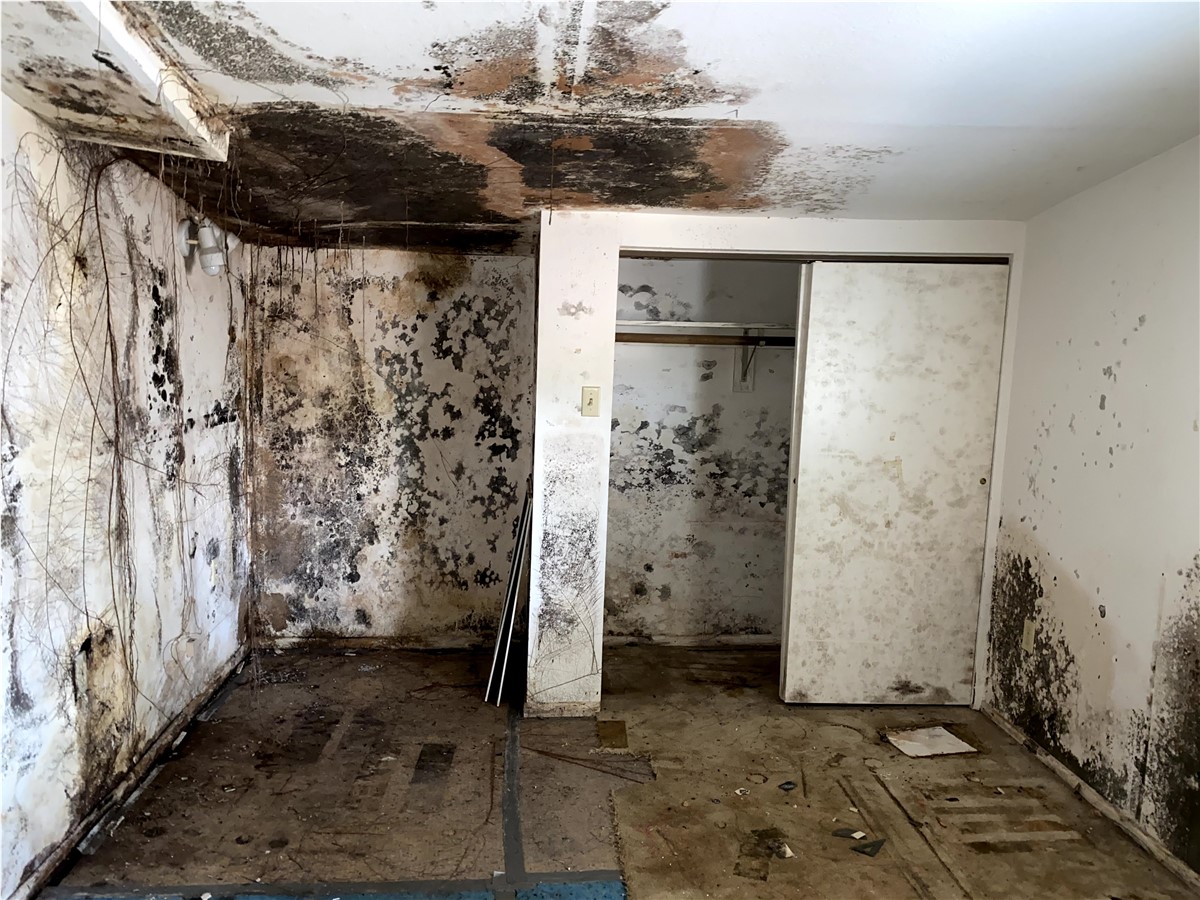
Dark staining or discoloration on walls, ceilings, baseboards, or around vents can indicate growth behind surfaces.
Paint that bubbles, peels, or cracks without an obvious plumbing leak often signals moisture and hidden mold.
Warped flooring, soft drywall, or loose baseboards suggest prolonged dampness.
In rental properties, repeated odor complaints or humidity issues are often early indicators.
Ignoring these signs allows black mold to spread further.
Where Black Mold Commonly Hides
Black mold frequently develops in areas that are not easily visible.
Wall cavities near plumbing lines are common problem spots due to slow leaks.
Attics often hold black mold after storms when roof leaks soak insulation and decking.
Under flooring is another high-risk area, especially in slab-on-grade properties.
HVAC systems may also be involved. Condensation inside air handlers, return plenums, and ductwork can support mold growth and spread spores throughout the property.
Bathrooms, laundry rooms, and closets with limited ventilation are also common locations.
Why DIY Black Mold Removal Usually Fails
Surface cleaning may remove visible staining but does not eliminate mold that has penetrated porous materials.
Drywall, insulation, wood, and carpet padding allow mold to grow beneath the surface where household cleaners cannot reach.
DIY efforts often fail to correct the moisture source, allowing mold to return.
Improper cleaning can disturb mold colonies and spread spores into other areas of the property.
Without containment and moisture control, DIY removal often makes the problem worse.
How Professional Black Mold Removal Works
Black mold removal starts with a detailed inspection to identify affected areas and the moisture source driving growth.
Moisture detection tools are used to locate hidden dampness inside walls, ceilings, floors, and insulation.
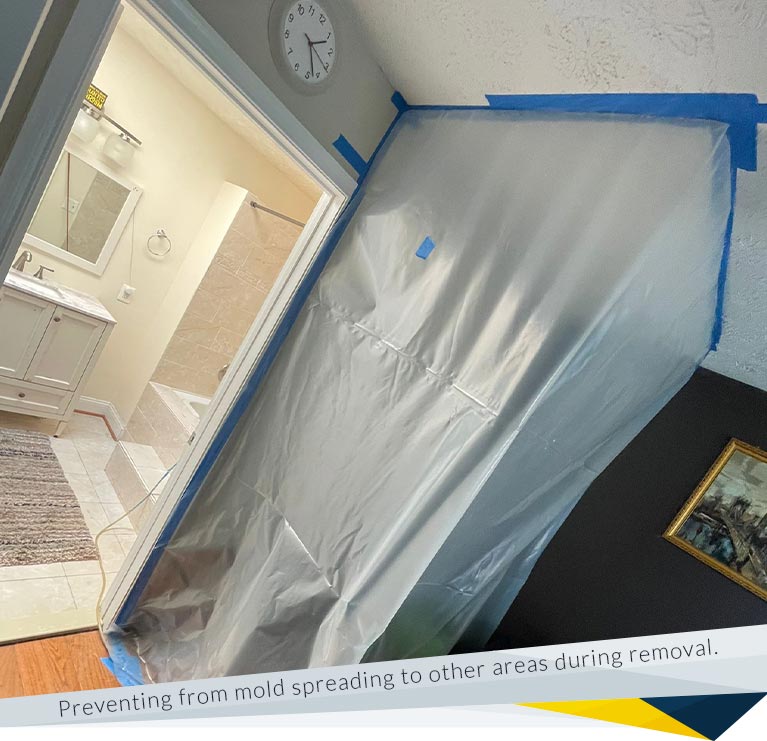
Containment is established to prevent mold spores from spreading during removal.
Materials that cannot be effectively cleaned, such as heavily contaminated drywall or insulation, may need to be removed.
Salvageable surfaces are treated using professional-grade remediation methods.
HEPA filtration is used to capture airborne particles throughout the process.
Drying and moisture control are completed before any repairs or rebuilding.
Pompano Mold Inspection and Testing provides black mold inspection and removal services in North Lauderdale with a focus on identifying moisture sources and preventing recurrence.
Black Mold Removal After Water Damage
Water damage is one of the most common triggers for black mold.
Even after visible water is removed, moisture may remain trapped inside materials.
Black mold removal after leaks or flooding often includes drying, material evaluation, and removal where necessary.
Skipping proper drying almost always leads to mold returning later.
Correct sequencing of water removal, drying, and mold remediation is essential.
Cost Factors Property Owners Should Understand
Black mold removal costs vary based on several factors.
The size of the affected area plays a major role. Small, contained areas cost less than widespread contamination.
Location matters. Mold inside walls, ceilings, or HVAC systems typically requires more labor.
The extent of moisture damage affects cost, especially if materials need removal and replacement.
Drying time and equipment needs also influence overall cost.
Early detection usually keeps costs significantly lower.
Preventing Black Mold in North Lauderdale Properties
Prevention starts with moisture control.
Address plumbing leaks and water intrusion immediately.
Maintain AC systems regularly to prevent condensation and drainage issues.
Improve ventilation in bathrooms, laundry rooms, and closets.
Monitor indoor humidity, especially during warmer months.
Inspect attics, ceilings, and floors after storms.
Avoid sealing or repainting areas until moisture levels are confirmed dry.
For rental properties, routine inspections between tenants help catch issues early.
Why Local Experience Matters
Black mold behavior varies by location. North Lauderdale properties face specific challenges related to humidity, storm patterns, and construction styles.
Local professionals understand where moisture typically hides and how black mold spreads in these environments.
This experience leads to more accurate inspections and more effective long-term solutions.
A Practical Takeaway for Property Owners
Black mold removal in North Lauderdale is not just about cleaning visible growth. It requires identifying moisture sources, removing affected materials correctly, and preventing conditions that allow mold to return.
For property owners, acting early, relying on proper inspection, and addressing moisture thoroughly are the most reliable ways to protect property value and avoid repeated black mold problems in South Florida’s humid climate.