

Mold Inspection in Margate: Inspection and Repair Guide
Mold issues in Margate homes often begin quietly. High humidity, frequent rain, aging plumbing, and long air-conditioning cycles create the perfect environment for moisture to build up behind walls, under floors, and above ceilings. By the time mold becomes visible, the underlying problem has usually been active for some time.
A proper mold inspection is the first and most important step in protecting a home. It identifies moisture sources, evaluates risk areas, and guides the right repairs before damage spreads. This guide explains how mold inspection works in Margate and how inspection findings connect directly to effective repair.
Why Mold Is a Common Problem in Margate Homes
Margate experiences warm temperatures and elevated humidity throughout much of the year. Moisture evaporates slowly, allowing damp materials to stay wet longer.
Seasonal storms and heavy rainfall increase the risk of roof leaks, window intrusion, and exterior wall moisture. Wind-driven rain can push water into areas that appear sealed.
Air conditioning systems run almost constantly. When drain lines clog, ducts sweat, or airflow is restricted, condensation forms inside walls, ceilings, and HVAC components.
Many homes are built on slab foundations, which can trap moisture beneath flooring after leaks or flooding, creating hidden mold risk.
These factors make early inspection essential.
Warning Signs That Indicate a Mold Inspection Is Needed
A persistent musty or earthy odor is often the earliest warning sign, especially if it worsens when the AC is running.
Discoloration on walls or ceilings, including gray, brown, or green staining, can indicate moisture behind surfaces.
Paint that bubbles, peels, or cracks without a clear plumbing leak often points to hidden dampness.
Warped baseboards, soft drywall, or flooring that feels uneven suggest prolonged moisture exposure.
Rooms that feel humid or sticky despite normal AC operation may signal trapped moisture inside materials.
These signs do not confirm mold on their own, but they strongly justify inspection.
Common Areas Where Mold Hides in Margate Homes
Mold often develops in locations homeowners rarely see. Wall cavities near plumbing lines are frequent problem areas due to slow leaks.
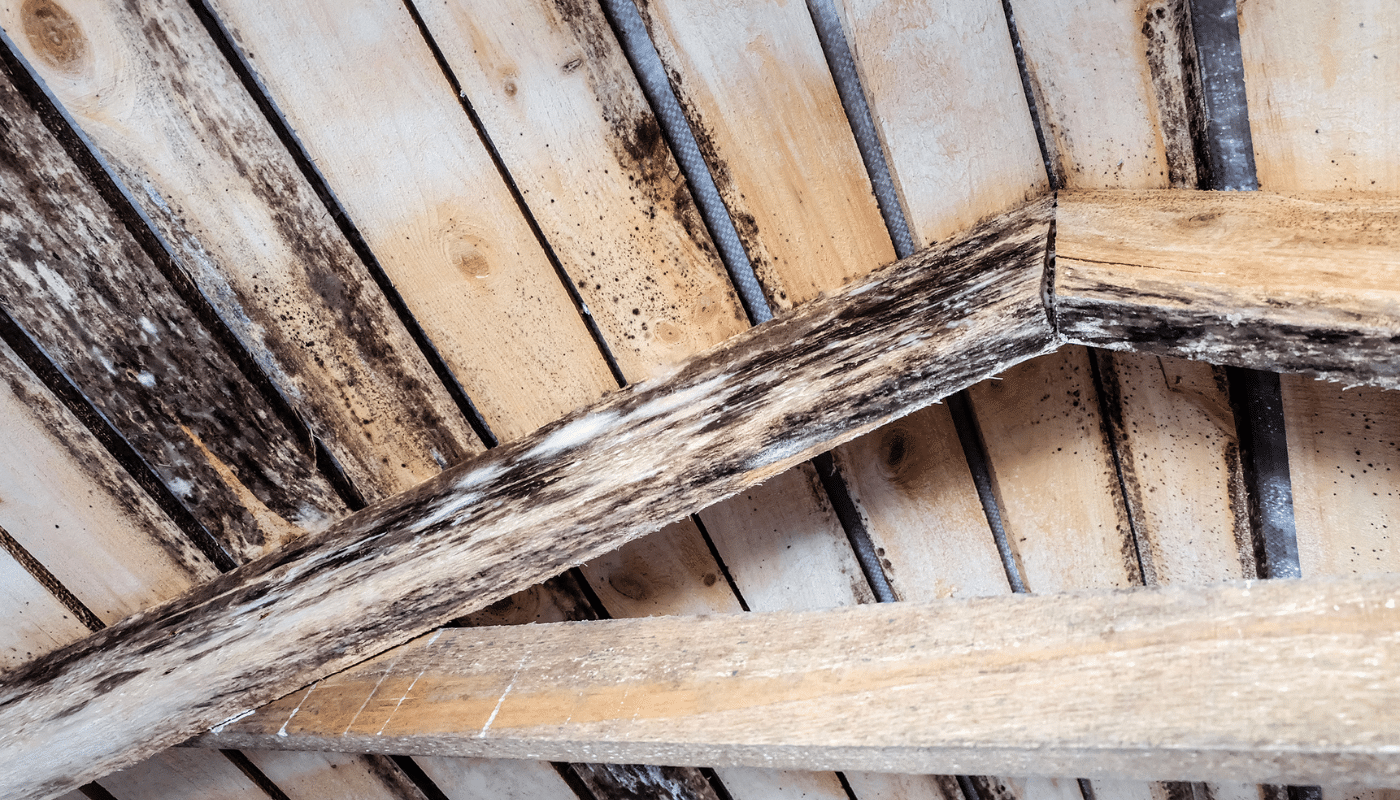
Attics are high-risk spaces, especially after storms. Wet insulation and roof decking can support mold growth without immediate indoor signs.
Under flooring is another common location, particularly in slab-on-grade homes where moisture becomes trapped beneath tile, vinyl, or carpet.
HVAC systems are also frequent contributors. Condensation inside air handlers, return plenums, and ductwork can support mold growth and spread spores through the home.
Bathrooms, laundry rooms, and closets with limited ventilation are additional risk areas.
What a Professional Mold Inspection Involves
A professional mold inspection focuses on finding moisture, not just visible mold.
The process begins with a review of the home’s history, including past leaks, flooding, or humidity problems.
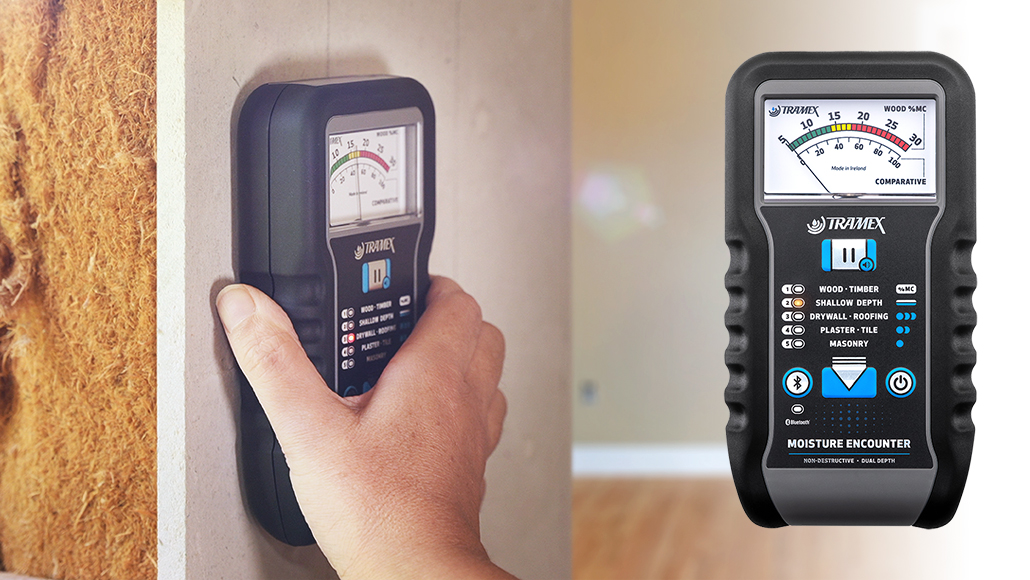
Inspectors examine visible areas and use moisture detection tools to check walls, ceilings, floors, and insulation for hidden dampness.
High-risk areas such as attics, HVAC systems, bathrooms, and kitchens receive focused attention.
The goal is to identify where moisture is present, how it got there, and which conditions allow mold to grow.
When appropriate, mold testing may be used to gather additional information about hidden concerns.
Pompano Mold Inspection and Testing provides mold inspection services in Margate with a focus on identifying moisture-driven issues and guiding proper repairs.
Mold Inspection vs Mold Testing Explained
Mold inspection identifies moisture sources, visible growth, and high-risk conditions.
Mold testing provides supplemental information when mold is suspected but not visible, when odors persist, or when confirmation is needed for planning repairs.
Testing is not always required. It is used selectively based on inspection findings.
Together, inspection and testing provide clarity and reduce guesswork.
How Inspection Findings Guide Repairs
Mold inspection results are used to determine the correct repair strategy.
If moisture is active, repairs focus on stopping the source, such as fixing leaks, correcting AC drainage issues, or improving ventilation.
If materials are already affected, inspection helps determine whether they can be dried and cleaned or need removal.
Repairs without inspection often miss hidden moisture and lead to recurring problems.
Inspection ensures repairs are targeted, effective, and long-lasting.
Mold Inspection After Water Damage
After plumbing leaks, roof leaks, or flooding, surfaces may dry while moisture remains trapped inside materials.
Mold inspection after water damage helps identify whether hidden areas were affected and whether mold is developing.
This step is critical before closing walls, replacing flooring, or repainting.
Early inspection reduces the risk of future remediation and repeat repairs.
Why DIY Mold Checks Are Not Enough
Visual checks only reveal surface conditions. Mold often grows inside porous materials where it cannot be seen.
Household cleaning products do not address hidden moisture or growth.
Without moisture detection tools, underlying problems are often missed.
Professional inspection provides objective information and prevents costly mistakes.
Repair Steps Commonly Recommended After Inspection
Repairing plumbing leaks, roof leaks, or exterior water intrusion.
Correcting AC condensation issues, including drain line clogs or airflow problems.
Drying affected areas using controlled dehumidification and air movement.
Removing and replacing materials that cannot be effectively cleaned.
Improving ventilation in bathrooms, laundry rooms, and closets.
Each repair plan is based on inspection findings rather than assumptions.
Prevention Tips That Help Avoid Future Mold Issues
Address leaks immediately, even small ones.
Maintain AC systems regularly to prevent condensation problems.
Use exhaust fans in moisture-producing areas.
Monitor indoor humidity, especially during warmer months.
Inspect attics, ceilings, and floors after storms.
Avoid sealing or repairing areas until moisture levels are confirmed dry.
Schedule periodic inspections for older homes or properties with a history of moisture issues.
Why Local Experience Matters in Margate
Mold behavior varies by location. Margate homes face specific challenges related to humidity, storm patterns, and construction styles.
Local professionals understand where moisture typically hides and how mold develops in these environments.
This experience leads to more accurate inspections and more effective repair recommendations.
A Practical Takeaway for Homeowners
Mold inspection in Margate is the foundation of effective repair and prevention. It identifies hidden moisture, explains why problems exist, and guides the right corrective steps.
For homeowners, acting early and relying on proper inspection helps prevent small moisture issues from becoming major repairs, protecting both property value and long-term indoor stability in a humid South Florida climate.