How Mold Inspection Helps Homes in Coconut Creek After Roof Leaks
Roof leaks are a common issue for homeowners in Coconut Creek, especially after heavy rainstorms and strong seasonal weather. Even a small roof leak can allow water to seep into attic insulation, ceilings, and wall cavities. Because South Florida’s climate is warm and humid, moisture trapped inside building materials can remain for long periods, creating conditions where mold may develop. Mold inspection helps identify hidden moisture, locate early mold growth, and prevent long-term structural damage.
How Roof Leaks Lead to Mold Problems
When a roof leak occurs, water often travels far from the original entry point. Moisture may soak into insulation, wood framing, drywall, and ceiling materials before visible signs appear.
Common ways roof leaks contribute to mold growth include:
- Saturated attic insulation
- Damp ceiling drywall
- Moisture trapped in wall cavities
- Condensation forming in humid conditions
- Slow drying due to limited airflow
Because mold spores are naturally present in indoor air, mold can begin to grow when moisture remains for extended periods.
Why Coconut Creek Homes Are Vulnerable
Homes in Coconut Creek face environmental conditions that increase the risk of mold after roof leaks:
- High humidity throughout the year
- Frequent summer storms and heavy rainfall
- Warm temperatures that slow drying
- Attic spaces that trap heat and moisture
These factors allow damp materials to remain wet longer, increasing the likelihood of mold growth.
Early Signs of Mold After Roof Leaks
Mold growth often begins in hidden areas, but homeowners may notice warning signs that indicate moisture problems:
- Water stains on ceilings or walls
- Musty or damp odors
- Peeling paint or bubbling drywall
- Sagging ceiling areas
- Increased indoor humidity
These signs often indicate hidden moisture that should be inspected promptly.
Hidden Areas Where Mold Often Develops
After roof leaks, mold frequently develops in areas that are not visible during daily living. Inspectors in Coconut Creek often find mold in:
- Attic insulation and roof decking
- Ceiling cavities
- Behind drywall near exterior walls
- Around ventilation ducts passing through attics
- Closet ceilings beneath rooflines
Because these areas are concealed, mold can spread before it becomes visible.
Why Mold Inspection Is Important After Roof Leaks
Mold inspection helps determine whether moisture has caused contamination and identifies areas that require drying or remediation. Early inspection helps:
- Detect hidden moisture
- Identify early mold growth
- Prevent structural deterioration
- Reduce long-term repair costs
- Improve indoor air conditions
Prompt inspection often prevents small issues from becoming larger problems.
What a Professional Mold Inspection Involves
A professional mold inspection typically follows a structured process.
Step 1: Visual Inspection
Technicians examine ceilings, attics, walls, and other areas affected by roof leaks.
Step 2: Moisture Detection
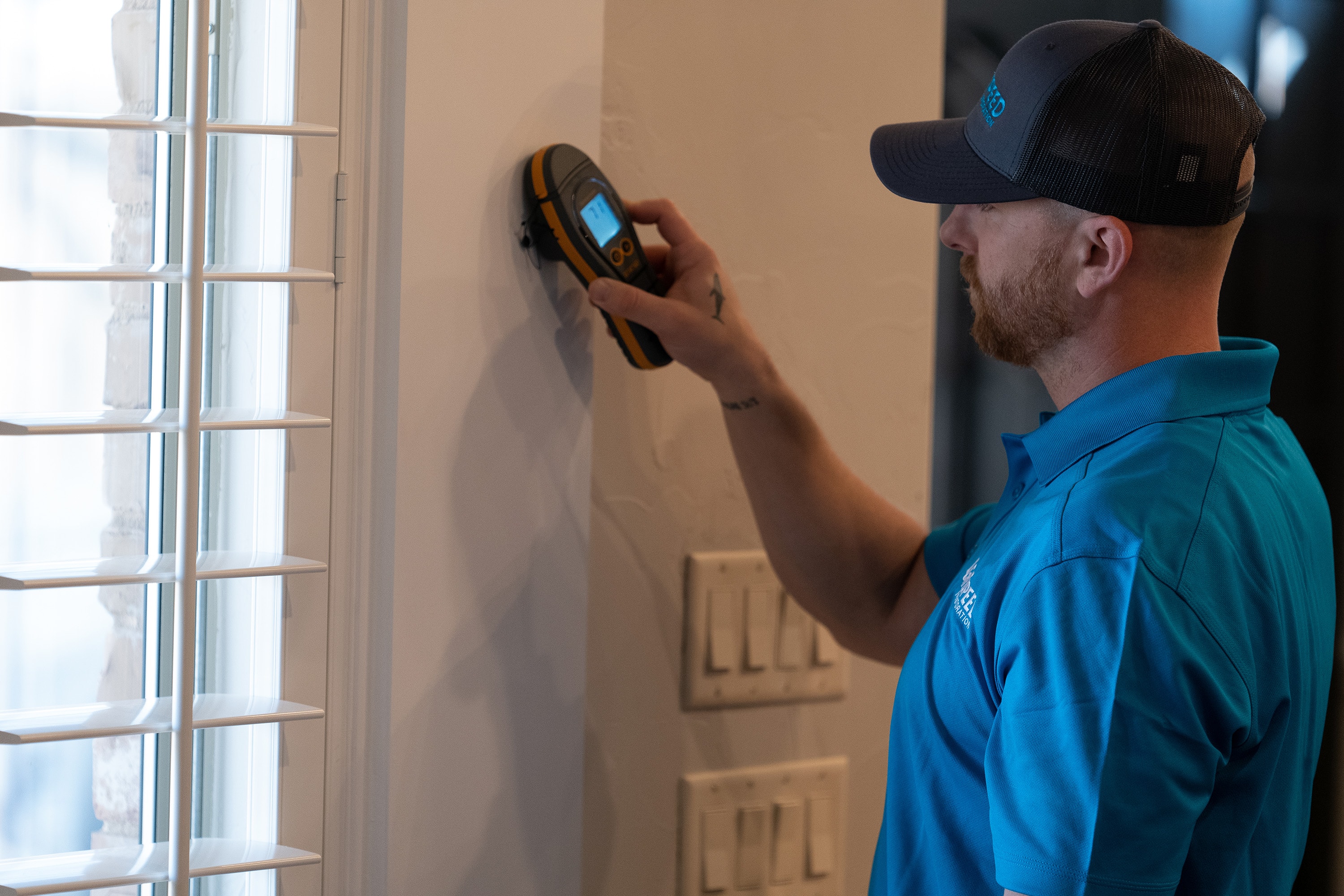
Moisture meters and other tools are used to locate damp materials inside walls and ceilings.
Step 3: Evaluation of Ventilation and Humidity
Inspectors assess airflow and humidity levels, which affect drying and mold growth.
Step 4: Mold Testing When Necessary
Air or surface samples may be collected to better understand indoor conditions.
Pompano Mold Inspection and Testing often evaluates moisture conditions and mold risks in Coconut Creek and nearby Broward County communities, helping homeowners understand the extent of damage and the steps needed to restore their homes.
Why DIY Inspection Is Often Not Enough
Homeowners sometimes check visible areas after roof leaks, but mold often develops in hidden locations. Without moisture detection tools, it is difficult to locate damp materials inside walls or ceilings.
DIY inspections may miss:
- Moisture inside insulation
- Damp framing or substructures
- Mold inside ceiling cavities
- Areas with slow drying
Professional inspections help ensure all affected areas are evaluated.
Mold Remediation After Inspection
If mold is discovered, remediation may be recommended to remove contamination and correct moisture conditions. The process may include:
- Containing affected areas
- Removing contaminated materials when necessary
- Cleaning structural surfaces
- Drying building materials thoroughly
- Stabilizing indoor humidity levels
Correcting the moisture source is essential to prevent mold from returning.
Water Damage Repair and Structural Drying
Roof leaks often cause water damage beyond visible ceiling stains. Restoration may include:
- Drying attic insulation and framing
- Repairing drywall or ceiling materials
- Using dehumidifiers and air movers
- Monitoring moisture levels until drying is complete
Proper drying helps protect structural materials and prevent mold growth.
HVAC Systems and Roof Leak Moisture
Moisture from roof leaks can affect HVAC systems, particularly ducts located in attic spaces. Damp insulation or condensation near ductwork can lead to odors or airflow problems.
Routine HVAC maintenance and inspection help maintain airflow and indoor air quality after water damage.
Practical Steps to Prevent Mold After Roof Leaks
Homeowners in Coconut Creek can reduce the risk of mold growth by taking practical steps:
- Repair roof leaks as soon as they are discovered
- Inspect attic areas after storms
- Improve attic ventilation
- Use dehumidifiers to control indoor humidity
- Schedule moisture inspections if stains or odors appear
Quick action helps prevent long-term damage.
Why Routine Roof and Moisture Inspections Matter
Regular inspections help detect small leaks before they cause major problems. Periodic roof and attic inspections are especially helpful:
- After heavy rain or storms
- When ceiling stains appear
- During humid summer months
- When musty odors develop
Early detection helps reduce repair costs and prevents mold growth.
Why Local Experience Matters
Mold inspection in South Florida requires an understanding of local climate and construction conditions. Professionals familiar with Coconut Creek understand:
- How humidity affects drying times
- Typical attic ventilation issues in Broward County homes
- Common moisture patterns after storms
This local knowledge helps inspections and recommendations be more accurate and effective.
A Practical Next Step for Homeowners
Roof leaks may appear minor at first, but hidden moisture can lead to mold growth and structural damage if not addressed quickly. Mold inspection helps identify moisture, detect early contamination, and guide homeowners toward effective solutions.
With prompt roof repairs, thorough inspections, and proper humidity control, homeowners in Coconut Creek can keep their homes dry, comfortable, and protected after roof leaks.