Why Home Moisture Control Matters in Lighthouse Point in Humid Florida Summers
Humid Florida summers can bring extended periods of heat, heavy rain, and high moisture levels to Lighthouse Point. These conditions can make it difficult for homes to dry naturally, especially when indoor humidity increases due to air-conditioning condensation, plumbing leaks, or poor ventilation. Moisture that remains trapped in building materials can lead to mold growth, structural deterioration, and indoor air quality concerns. Understanding why moisture control matters helps homeowners protect their properties and maintain comfortable living conditions throughout the summer months.
How Humid Summers Affect Homes
During the summer, outdoor humidity levels often remain high throughout the day and night. When warm, moist air enters a home or moisture accumulates indoors, materials such as drywall, wood, and insulation can absorb that moisture.
Common ways humidity affects homes include:
- Condensation forming on walls or windows
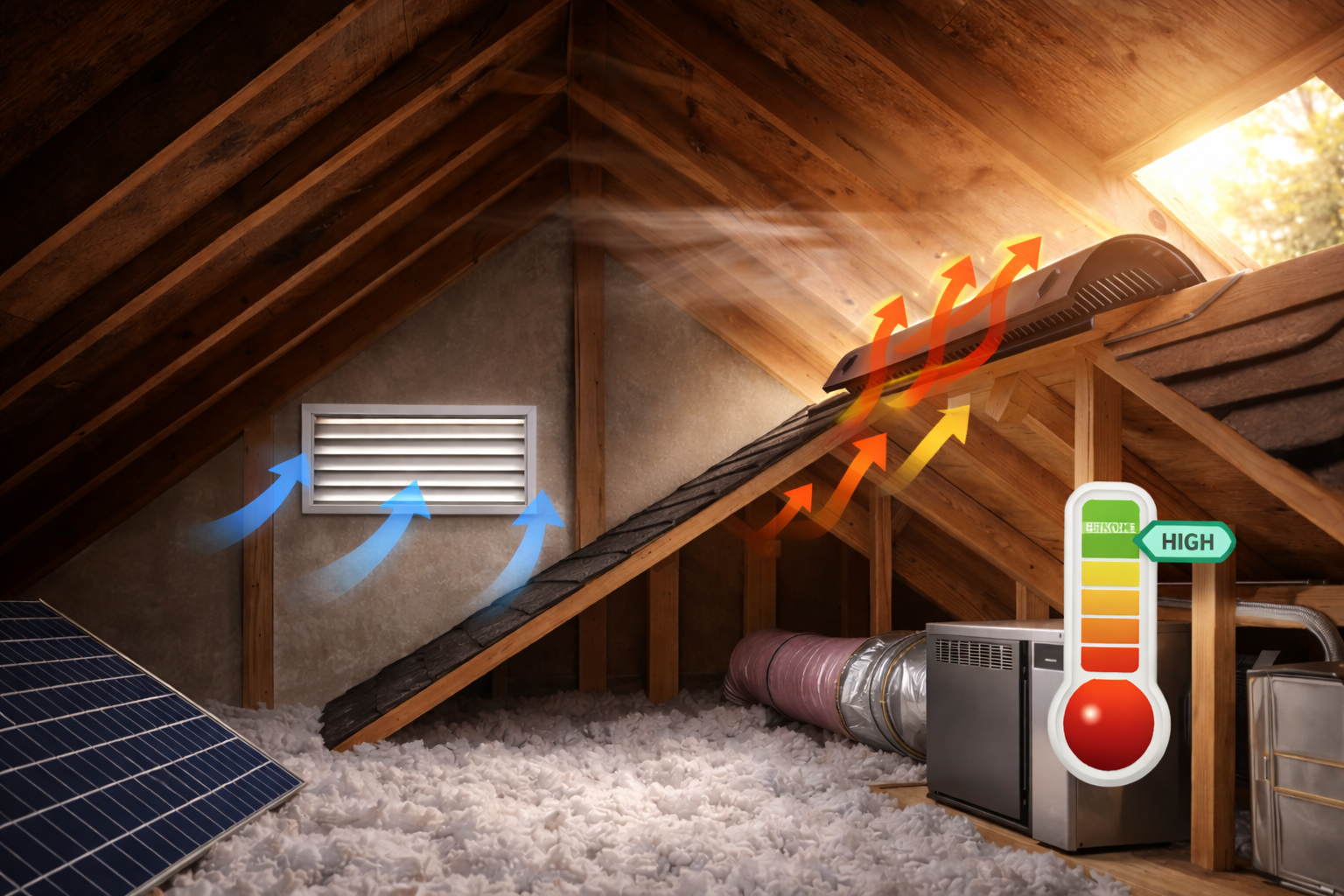
- Damp insulation in attics
- Moisture buildup in closets and storage spaces
- Increased humidity inside duct systems
- Slow drying after leaks or spills
Because the air already contains significant moisture, even small water issues can become larger problems if not addressed.
Why Lighthouse Point Homes Are Vulnerable
Homes in Lighthouse Point face several conditions that increase the importance of moisture control:
- Coastal humidity that remains high year-round
- Frequent rainstorms and sudden downpours
- Warm temperatures that slow evaporation
- Continuous air-conditioning use
- Older homes that may have limited ventilation
These factors can allow moisture to remain inside building materials longer than expected.
Early Signs of Moisture Problems
Moisture problems often begin gradually, and homeowners may notice subtle warning signs before serious damage occurs:
- Musty or damp odors
- Condensation on windows or walls
- Peeling paint or bubbling drywall
- Warped baseboards or flooring
- A damp feeling in certain rooms
These signs often indicate humidity or moisture levels that should be evaluated promptly.
Hidden Areas Where Moisture Often Develops
Moisture frequently collects in areas that are not visible during daily living. Inspectors in Lighthouse Point often find dampness in:
- Attic insulation and roof decking
- Wall cavities near plumbing lines
- Beneath flooring or carpet padding
- Air handler closets and duct systems
- Closets and storage spaces with limited airflow
Because these areas are concealed, moisture can remain present for long periods without obvious symptoms.
Why Moisture Control Is Important
Controlling moisture is one of the most effective ways to protect a home. Proper moisture management helps:
- Prevent mold growth
- Protect drywall, insulation, and wood framing
- Reduce musty odors
- Improve indoor air quality
- Extend the lifespan of HVAC systems
Addressing humidity early often prevents more expensive repairs later.
Common Sources of Indoor Moisture in Summer
Several everyday conditions contribute to indoor moisture buildup in Lighthouse Point homes:
- Air-conditioning condensation
- Roof leaks during storms
- Plumbing leaks under sinks or behind walls
- Poor ventilation in bathrooms and kitchens
- Damp carpeting or flooring
Identifying and correcting these sources is essential for maintaining balanced indoor conditions.
Why DIY Moisture Control Sometimes Falls Short
Homeowners may try to reduce moisture by using fans or opening windows. While these steps may help temporarily, they often do not address hidden dampness or the underlying source.
DIY efforts may fall short because:
- Moisture inside walls or subfloors remains
- Humidity levels are not measured accurately
- Ventilation issues are not corrected
- Drying may be incomplete
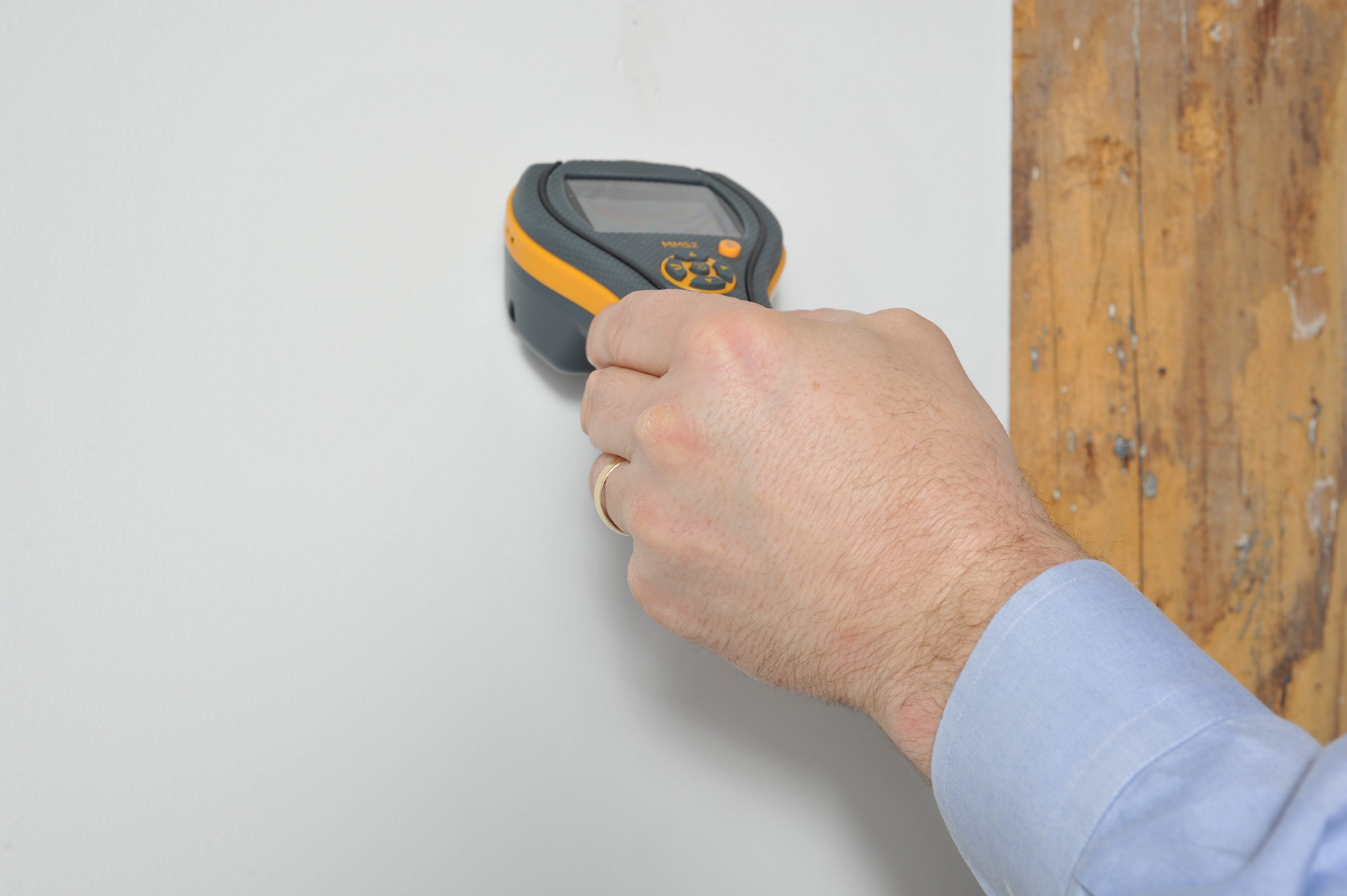
Professional moisture detection tools help locate damp areas that cannot be seen.
How Moisture Inspections Help
A professional moisture inspection provides a clearer understanding of indoor conditions and identifies areas that require drying or repair.
The inspection process often includes:
- Visual examination of areas prone to moisture
- Moisture detection in walls, ceilings, and flooring
- Evaluation of indoor humidity levels
- Inspection of HVAC systems and ductwork
- Identification of moisture sources
Pompano Mold Inspection and Testing often evaluates moisture conditions in Lighthouse Point and nearby Broward County communities, helping homeowners detect hidden problems before they lead to mold growth or structural damage.
Mold Risks Associated With Excess Moisture
Excess moisture is the primary cause of mold growth. When building materials remain damp, mold may develop in:
- Drywall and insulation
- Carpet padding
- Wood framing
- Air ducts and HVAC systems
If mold is discovered, remediation may include removing contaminated materials, cleaning structural surfaces, and thoroughly drying affected areas to prevent recurrence.
HVAC Systems and Humidity Control
Air-conditioning systems play a major role in controlling humidity during humid Florida summers. However, moisture problems may occur when:
- Condensate drain lines become clogged
- Air filters restrict airflow
- Duct insulation becomes damp
- Air handlers develop condensation buildup
Routine maintenance helps HVAC systems operate efficiently and maintain balanced humidity levels.
Practical Moisture Control Tips That Work
Homeowners in Lighthouse Point can reduce moisture problems by following simple but effective steps.
Use Dehumidifiers When Needed
Dehumidifiers help maintain balanced indoor humidity levels during very humid periods.
Maintain Air-Conditioning Systems
Regular servicing helps prevent condensation and drainage issues.
Inspect Plumbing Regularly
Checking under sinks and around appliances helps detect leaks early.
Improve Ventilation
Bathrooms, kitchens, and laundry rooms benefit from proper airflow.
Inspect After Storms
Checking ceilings, walls, and attic areas after heavy rain helps detect moisture early.
These preventive steps significantly reduce the likelihood of moisture-related problems.
Water Damage and Structural Drying
If excess moisture is caused by leaks or flooding, restoration may include:
- Water extraction
- Structural drying with air movers and dehumidifiers
- Repairing damaged drywall or insulation
- Monitoring moisture levels until materials stabilize
Proper drying helps prevent mold growth and protects structural materials.
Why Routine Inspections Matter
Routine inspections help identify small moisture problems before they become serious. Periodic moisture checks are especially helpful:
- During humid summer months
- After heavy rain or storms
- When musty odors appear
- When cooling efficiency changes
Early detection often prevents costly repairs.
Why Local Experience Matters
Moisture control in coastal South Florida requires an understanding of local climate and construction conditions. Professionals familiar with Lighthouse Point understand:
- How humidity affects building materials
- Typical ventilation and roofing challenges in Broward County homes
- Common moisture patterns during summer storms
This local knowledge helps inspections and solutions be more effective.
A Practical Next Step for Homeowners
Moisture control is one of the most important steps in protecting homes during humid Florida summers. Identifying moisture sources, maintaining HVAC systems, and scheduling routine inspections help prevent mold growth and structural damage.
With proper maintenance, timely repairs, and attention to humidity levels, homeowners in Lighthouse Point can keep their homes dry, comfortable, and well protected throughout the summer season.