
How to Prevent Future Damage: Mold Remediation in Fort Lauderdale in Rental Properties
Rental properties in Fort Lauderdale offer strong investment opportunities, but they also face ongoing challenges related to humidity, storms, and moisture intrusion. Mold problems are especially common in rental units because maintenance timing, tenant behavior, and delayed reporting often allow moisture issues to continue longer than they would in owner-occupied homes.
Many property owners focus only on removing mold once it appears. However, long-term success comes from preventing mold from returning after remediation is completed. Proper mold remediation in rental properties must address not just contamination, but also the moisture conditions that allowed mold to grow in the first place.
Understanding how mold remediation works — and how to prevent future damage — helps Fort Lauderdale landlords maintain healthier units, protect property value, and reduce recurring repair costs.
What Mold Remediation Means in Rental Properties
Mold remediation is the professional process of removing mold contamination and restoring safe indoor conditions. In rental properties, remediation often includes addressing moisture problems that affect multiple tenants over time.
Professional remediation typically includes:
• Isolating contaminated areas
• Removing damaged materials when needed
• Cleaning and sanitizing affected surfaces
• HEPA air filtration
• Structural drying and dehumidification
• Correcting moisture sources
The goal is not only to clean visible mold but also to prevent future mold growth.
Why Mold Problems Are Common in Fort Lauderdale Rentals
Rental properties in Fort Lauderdale and nearby communities such as Pompano Beach, Deerfield Beach, Lighthouse Point, Coconut Creek, and Margate face constant exposure to humidity and storms.
Several factors increase mold risks in rental units:
• High year-round humidity
• Frequent tenant turnover
• Delayed reporting of leaks
• AC systems running continuously
• Older plumbing systems
• Poor ventilation in bathrooms and kitchens
• Condensation buildup inside ducts and closets
Because rental units often experience varied occupancy habits, moisture conditions can change quickly between tenants.
Common Signs Mold Returns After Remediation
If moisture problems remain unresolved, mold often returns after cleanup. Property owners should watch for early warning signs such as:
• Musty odors reappearing in units
• Stains returning on walls or ceilings
• Mold spots forming near vents or baseboards
• Paint peeling or bubbling
• Increased indoor humidity complaints
• Tenant reports of dampness
Recurring symptoms usually indicate moisture issues were not fully corrected.
Hidden Areas Mold Frequently Returns
Rental properties often contain hidden spaces where moisture collects repeatedly.
Common hidden mold locations include:
• Behind kitchen and bathroom cabinets
• Inside walls near plumbing lines
• Beneath flooring materials
• Inside air ducts or air handlers
• AC closets and drain pans
• Laundry rooms and utility spaces
• Around window frames and sliding doors
These areas should be inspected carefully during remediation planning.
Why Surface Cleaning Alone Fails
Some landlords attempt to handle mold by repainting or cleaning affected areas. Unfortunately, this often masks the problem temporarily.
Surface cleaning fails because:
• Mold inside walls remains untreated
• Moisture sources continue unchecked
• Spores spread through airflow
• Underlying conditions are unchanged
Without correcting moisture problems, mold usually returns within months.
Professional Mold Inspection and Testing Explained
Inspection is often necessary before and after remediation to confirm contamination levels and moisture sources.
Professional inspections typically include:
- Visual evaluation of affected areas
- Moisture detection inside walls and floors
- HVAC and duct inspection
- Air or surface testing when necessary
- Identification of moisture sources
Companies such as Pompano Mold Inspection and Testing help property owners determine whether remediation was successful and whether additional moisture corrections are needed.
Testing helps avoid unnecessary repairs while ensuring contamination is truly resolved.
Proper Mold Remediation Process in Rental Units
Effective remediation follows a structured process designed to minimize tenant disruption while solving the problem.
The process generally includes:
• Containment to prevent mold spread
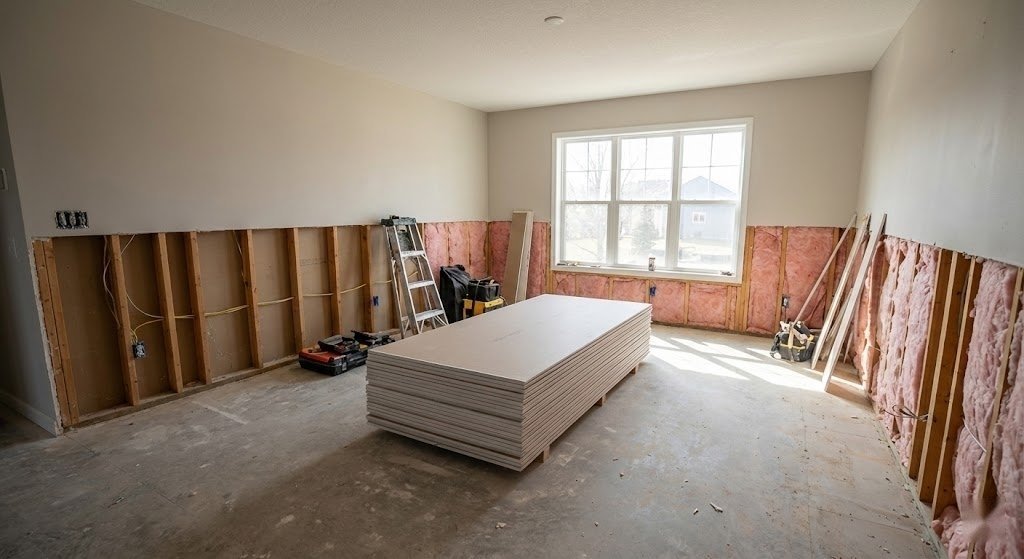
• Removal of contaminated drywall or insulation if necessary
• Cleaning and sanitizing surfaces
• HEPA air filtration to remove spores
• Structural drying and humidity control
• Repair of leak or ventilation issues
Correcting moisture conditions is the most critical step in preventing recurrence.
Flood Restoration and Water Damage Prevention
Many mold cases begin with flooding or plumbing leaks. Rental properties sometimes experience water damage between tenants or when small leaks go unnoticed.
Flood restoration services may include:
• Water extraction
• Structural drying
• Moisture monitoring
• Replacement of damaged materials
• Mold prevention treatment
Quick restoration reduces mold risks significantly.
Air Ducts, AC Systems, and Mold Recurrence
HVAC systems play a major role in rental property mold problems. Moisture inside ducts or air handlers can spread spores throughout units.
Common HVAC issues include:
• Condensation inside ducts
• Wet insulation around air handlers
• Dirty coils reducing airflow
• Drain line blockages
• Poor ventilation balance
Regular AC maintenance and duct cleaning help prevent recurring mold problems.
Prevention Steps for Rental Property Owners
Preventing mold from returning after remediation requires consistent maintenance.
Property owners can reduce future damage by:
• Inspecting units between tenants
• Maintaining AC systems regularly
• Cleaning condensate drain lines
• Checking plumbing connections frequently
• Ensuring bathrooms vent moisture outdoors
• Monitoring indoor humidity levels
• Responding quickly to tenant maintenance requests
• Scheduling periodic professional inspections
Preventive maintenance costs far less than repeated remediation work.
Why Local Experience Matters
Mold prevention strategies must match local climate conditions. Fort Lauderdale rental properties face coastal humidity and storm exposure that influence how moisture problems develop.
Professionals familiar with Broward County construction styles understand how moisture moves inside buildings and where mold typically returns. Pompano Mold Inspection and Testing works throughout the region and understands local moisture patterns affecting rental properties.
Local experience leads to faster diagnosis and practical long-term solutions.
A Practical Next Step for Property Owners
If your rental property recently underwent mold remediation or has recurring moisture concerns, scheduling a professional inspection can help confirm the problem is fully resolved.
Preventing future damage protects both property value and tenant satisfaction. Mold problems rarely solve themselves, but with proper inspection, maintenance, and moisture control, rental units can remain safe and comfortable.
Taking preventive action now helps Fort Lauderdale rental properties avoid recurring repairs while maintaining healthier living environments for tenants.