
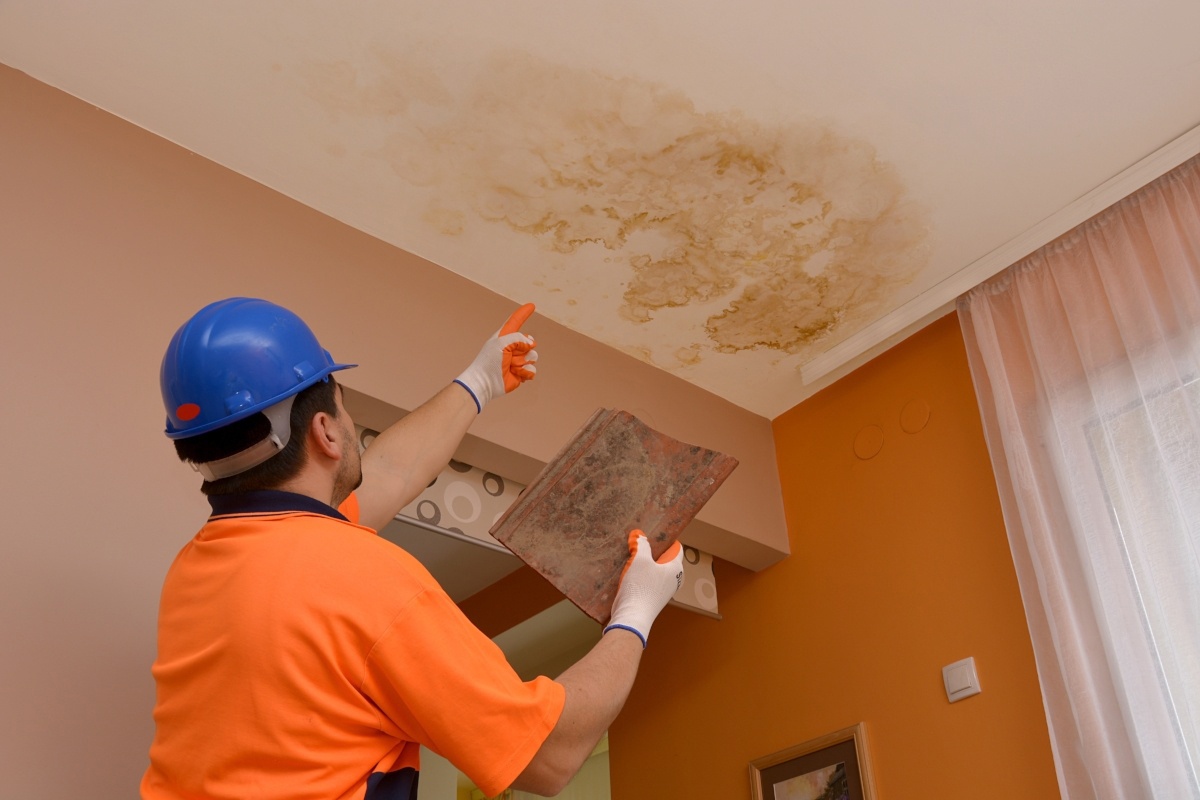
Moisture Detection Services in North Lauderdale after Roof Leaks: Risks and Prevention Methods
Roof leaks are a common issue for homeowners in North Lauderdale, especially after heavy rainstorms, tropical weather, or aging roofing materials begin to fail. While many leaks appear small at first, the real damage often occurs out of sight, where moisture spreads inside ceilings and walls long before homeowners realize there is a problem.
After a roof leak, water rarely stays in one place. It can travel along beams, insulation, and drywall, eventually affecting areas far from the original leak point. Without proper moisture detection, hidden dampness can lead to mold growth and structural damage.
Understanding how moisture detection services work after roof leaks helps homeowners in North Lauderdale protect their homes and prevent long-term problems.
What Happens After a Roof Leak
When rainwater enters through a damaged roof, it usually seeps into attic spaces first. From there, moisture can spread into insulation, ceiling drywall, and wall cavities.
Materials commonly affected include:
• Ceiling drywall and insulation
• Wooden roof framing
• Wall cavities below leak areas
• Flooring materials in affected rooms
• Electrical fixtures and ceiling spaces
Even when visible water stains dry, moisture often remains hidden inside building materials, creating conditions for mold growth.
Why Roof Leak Damage Is Common in North Lauderdale
Homes in North Lauderdale and nearby Broward County communities such as Margate, Coconut Creek, Deerfield Beach, and Pompano Beach face frequent exposure to heavy rainfall and humidity.
Several local factors increase roof leak risks:
• Aging roof materials exposed to intense sun
• Heavy seasonal rainstorms
• Hurricane and tropical storm exposure
• Poor roof drainage or clogged gutters
• Improper roof repairs or flashing failures
• AC equipment installed on rooftops in some properties
Because leaks sometimes appear slowly, damage can continue unnoticed until repairs become expensive.
Early Warning Signs Homeowners Should Not Ignore
Roof leak moisture problems rarely begin with major flooding. Early warning signs often appear gradually.
Common warning signs include:
• Ceiling stains or discoloration
• Paint peeling or bubbling
• Musty odors indoors
• Soft or sagging ceiling areas
• Mold spots near vents or corners
• Increased indoor humidity
• Recurring stains after repainting
These signs often indicate moisture remains trapped inside the structure.
Hidden Areas Moisture Spreads After Roof Leaks
Moisture from roof leaks frequently spreads into areas homeowners rarely inspect.
Common hidden moisture locations include:
• Attic insulation and framing
• Ceiling cavities
• Wall cavities beneath leak areas
• Inside ductwork located in attics
• Around recessed lighting fixtures
• Beneath flooring materials
Because moisture may travel away from the original leak, professional detection is often necessary.
Why DIY Leak Checks Often Miss Problems
Homeowners sometimes inspect roofs or ceilings themselves after storms, but hidden moisture is difficult to detect without professional equipment.
DIY inspections often miss problems because:
• Moisture remains inside insulation and walls
• Leak paths are not visible
• Ceiling surfaces dry faster than internal materials
• Mold growth may begin unseen
Without moisture detection tools, hidden problems often go unresolved.
Professional Moisture Detection Explained
Professional moisture detection services help identify exactly where moisture remains after a roof leak.
A professional inspection typically includes:
- Visual inspection of attic and interior areas
- Moisture meter scanning of ceilings and walls
- Evaluation of insulation and framing conditions
- Inspection of HVAC ducts located in attic spaces
- Identification of water intrusion paths
Companies such as Pompano Mold Inspection and Testing assist homeowners by locating hidden moisture so proper drying and repairs can be performed.
Proper inspection prevents missed moisture pockets that can lead to mold growth later.
Risks of Ignoring Moisture After Roof Leaks
When moisture remains inside a home after roof leaks, several risks may develop over time.
Common risks include:
• Mold growth behind ceilings and walls
• Structural wood deterioration
• Ceiling collapse in severe cases
• Indoor air quality problems
• Damage to insulation reducing energy efficiency
• Increased repair costs over time
Addressing moisture early helps prevent these issues from worsening.
Mold Inspection and Testing After Roof Leaks
If moisture remains untreated, mold growth may develop quickly in humid conditions.
Mold inspection and testing may be recommended when:
• Musty odors persist after repairs
• Visible mold appears
• Leak damage lasted several days
• Residents report indoor air concerns
Professional inspection helps confirm whether mold contamination exists and what remediation steps may be needed.
Drying and Restoration After Roof Leak Damage
Once moisture is detected, restoration work focuses on drying affected areas and repairing damage.
The drying and repair process often includes:
• Removal of damaged insulation
• Structural drying using professional equipment
• Moisture monitoring until materials are dry
• Replacement of damaged drywall
• Cleaning and sanitizing affected areas
Proper drying is critical to prevent mold growth and long-term damage.
Air Ducts and HVAC Systems After Roof Leaks
Many homes in North Lauderdale have ductwork running through attic spaces, making ducts vulnerable to roof leaks.
Common HVAC-related concerns include:
• Wet duct insulation
• Mold growth inside ducts
• Reduced airflow efficiency
• Increased humidity circulation
Professional inspection ensures HVAC systems remain safe after water intrusion.
Prevention Methods for Future Roof Leak Damage
Homeowners can reduce the chance of future roof leak problems through preventive maintenance.
Helpful prevention steps include:
• Scheduling regular roof inspections
• Cleaning gutters and drainage systems
• Repairing damaged shingles or flashing promptly
• Inspecting attics after storms
• Maintaining attic ventilation
• Addressing small leaks immediately
Preventive care helps avoid large restoration costs later.
Why Local Experience Matters
Moisture problems behave differently in South Florida than in drier climates. Homes in North Lauderdale face humidity conditions that slow drying and accelerate mold growth.
Professionals familiar with Broward County homes understand how moisture spreads after roof leaks and where problems typically develop. Pompano Mold Inspection and Testing works throughout the region and understands local moisture challenges.
Local expertise helps ensure accurate inspections and effective solutions.
A Practical Next Step for Homeowners
If your North Lauderdale home has experienced a roof leak or shows signs of hidden moisture, scheduling professional moisture detection is a practical next step.
Early inspection helps prevent mold growth and structural damage while protecting indoor comfort. Roof leaks often seem minor at first, but hidden moisture can create long-term issues if ignored.
Addressing moisture early helps homeowners maintain safer, healthier homes while avoiding costly repairs in the future.