
Deerfield Beach Mold Remediation During the Rainy Season: Practical Tips That Work
The rainy season in Deerfield Beach puts homes under constant moisture pressure. Heavy downpours, saturated soil, and high humidity create ideal conditions for mold to develop—often without obvious flooding or visible leaks. During these months, mold remediation becomes less about reacting to visible growth and more about understanding moisture behavior and acting early.
This guide focuses on practical, realistic tips that actually work for Deerfield Beach homeowners during the rainy season.
Why the Rainy Season Triggers Mold Problems
Rainy season moisture doesn’t need dramatic storms to cause issues. Frequent rainfall keeps soil saturated, pushing moisture toward slab foundations and exterior walls. Wind-driven rain finds its way through small gaps around windows, doors, and roofs.
At the same time, humidity remains high day and night, slowing natural drying. Even minor water intrusion can linger long enough to support mold growth behind walls, under flooring, or inside HVAC systems.
This combination makes rainy season mold problems both common and persistent.
Why Deerfield Beach Homes Are Especially Affected
Deerfield Beach’s coastal location intensifies rainy season moisture. High groundwater levels, flat terrain, and frequent storms all contribute to water movement toward homes.
Most homes are built on slab foundations, which limit airflow beneath floors and slow drying once moisture enters. Air conditioning systems run constantly during rainy months, producing condensation that adds to the moisture load if drain lines or insulation are compromised.
These factors make proactive mold remediation especially important in this area.
Early Warning Signs That Matter During Rainy Months
During the rainy season, mold rarely announces itself clearly. Musty or earthy odors are often the first sign, especially when the AC is running.
Homeowners may notice faint stains on ceilings or walls that appear after heavy rain. Paint may bubble or peel, and baseboards may begin to warp slightly. Some rooms may feel damp or uncomfortable even when temperatures are normal.
These early signs usually indicate hidden moisture—not surface-level issues—and should never be ignored.
Common Hidden Areas Where Mold Develops
Rainy season mold often grows out of sight. Exterior wall cavities absorb moisture from wind-driven rain. Attics trap humidity from roof seepage combined with poor ventilation.
Bathrooms and kitchens with limited exhaust ventilation are frequent trouble spots. HVAC systems and ductwork may also harbor mold when condensation increases during humid months.
Because these areas are concealed, professional inspection is often required to confirm the source.
Why Waiting Until the Season Ends Doesn’t Work
Some homeowners assume rainy season mold issues will resolve once drier weather returns. In South Florida, that rarely happens.
Moisture trapped inside walls, insulation, or flooring does not dry easily on its own. Mold continues to grow as long as moisture remains, regardless of outdoor conditions. Waiting often allows growth to spread and increases the scope of remediation needed later.
Early action during the rainy season limits damage and disruption.
Practical Tip #1: Focus on Moisture First, Not Mold
Mold remediation that ignores moisture always fails. During rainy season, the most effective strategy is identifying where moisture is entering or lingering.
This includes checking AC drain lines, attic spaces, exterior walls, and areas near plumbing. Moisture detection tools help locate damp materials behind surfaces before mold becomes visible.
Stopping moisture is the foundation of successful remediation.
Practical Tip #2: Don’t Rely on Surface Cleaning
Wiping visible mold or repainting affected areas may make things look better temporarily, but it doesn’t remove mold growing inside porous materials.
Drywall, wood, and insulation allow mold to grow beneath the surface. Without proper removal and drying, mold returns—often in the same place or nearby.
Effective remediation involves containment, removal, and verification that materials are dry.
Practical Tip #3: Pay Close Attention to HVAC Systems
HVAC systems are a major factor during rainy season. Increased humidity means more condensation, which can overwhelm drain lines or cause ducts to sweat.
Musty odors when the AC runs often point to moisture inside ductwork or air handlers. Inspecting and addressing HVAC-related moisture helps prevent mold from spreading throughout the home.
In many cases, HVAC inspection is a key part of rainy season mold remediation.
Practical Tip #4: Verify Drying, Don’t Assume It
During the rainy season, materials dry more slowly. Surfaces may feel dry while moisture remains trapped inside.
Professional remediation verifies drying using moisture meters rather than relying on time or appearance. This step prevents premature repairs and recurring mold issues.
Verified drying is what makes remediation durable.
How Professional Mold Remediation Works During the Rainy Season
Professional remediation starts with a thorough inspection and moisture assessment. Moisture detection identifies affected areas behind walls, under floors, and above ceilings.
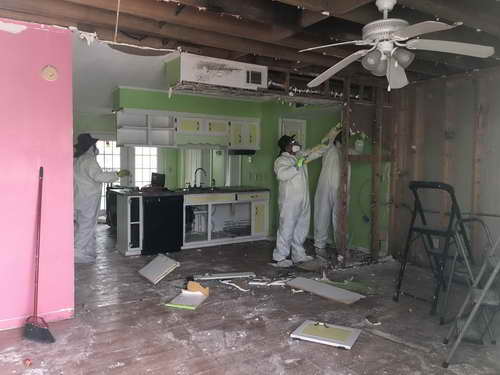
Containment prevents mold from spreading during removal. Contaminated materials that cannot be safely cleaned are removed, while remaining surfaces are treated using appropriate methods. HEPA filtration controls airborne particles during the process.
Drying and moisture correction are confirmed before repairs or restoration are completed.
Prevention Tips That Actually Help During Rainy Months
Prevention during the rainy season is about consistency. AC systems should be serviced regularly to keep drain lines clear and components functioning properly.
Exterior drainage should direct water away from the foundation. Roofs, windows, and door seals should be inspected before and during the season. Using exhaust fans in bathrooms and kitchens helps manage indoor humidity.
Monitoring indoor humidity and responding quickly to odors or stains catches problems early.
Why Local Experience Matters in Deerfield Beach
Rainy season mold behaves differently in South Florida than in other regions. Professionals familiar with Deerfield Beach understand how coastal weather, slab foundations, and HVAC systems interact during prolonged wet periods.
Local experience helps ensure remediation strategies are effective and appropriately scaled. Companies like Pompano Mold Inspection and Testing bring regional insight when evaluating and addressing mold issues during the rainy season in Deerfield Beach and surrounding Broward County communities.
A Practical Takeaway for Homeowners
Mold remediation during the rainy season is most successful when it focuses on moisture control, early detection, and verified drying. Waiting for visible growth or drier weather often leads to larger problems.
For Deerfield Beach homeowners, using practical, proven strategies during the rainy season helps limit damage, reduce remediation scope, and keep homes stable in one of South Florida’s most challenging moisture periods.