
Step-by-Step Process Explained: Mold Remediation in Lighthouse Point after Flooding
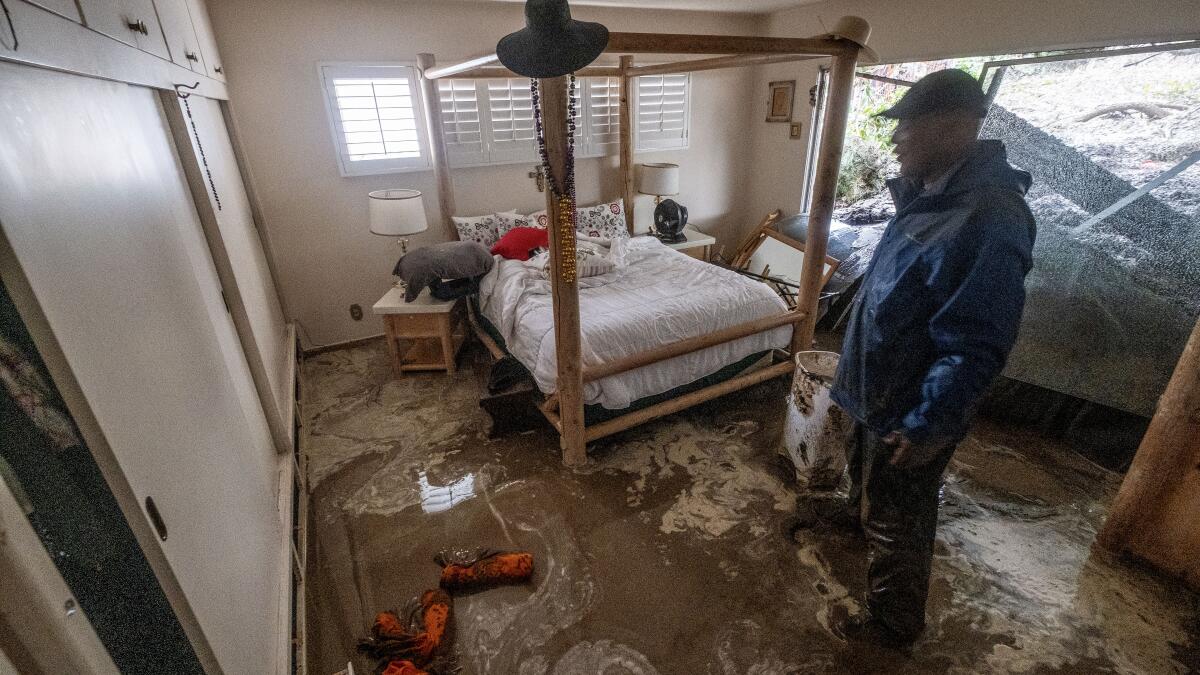
Flooding in Lighthouse Point can happen after heavy rainstorms, storm surge, drainage backups, or even plumbing failures that release large amounts of water. Coastal humidity makes drying slower, and when moisture stays trapped in walls, floors, or ducts, mold can begin growing quickly—often before homeowners see anything on the surface.
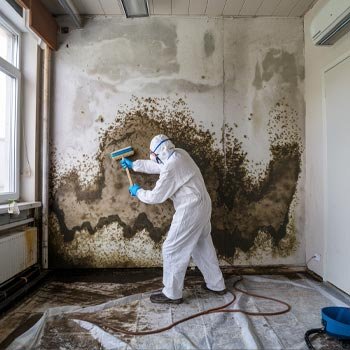
Mold remediation after flooding is not just “cleaning.” It’s a controlled, step-by-step process designed to remove contamination safely, fix the moisture conditions that caused it, and restore the property so mold doesn’t return. This guide explains what the remediation process looks like in Lighthouse Point homes and how local conditions in Broward County affect the approach.
What Flood-Related Mold Problems Actually Are
After flooding, moisture can spread into materials that hold water for a long time—drywall, insulation, subfloors, cabinetry, and even duct insulation. Mold doesn’t need standing water to grow. It needs damp materials, warmth, and limited airflow, which is common in Florida homes that stay closed up with AC.
Flood-related mold problems often involve:
• Hidden mold behind drywall and baseboards
• Mold inside wet insulation or framing surfaces
• Mold under flooring or carpet padding
• Mold growth inside closets and cabinets
• Mold spores moving through HVAC systems
Because the contamination is frequently hidden, remediation requires inspection, containment, and proper drying—not just wiping visible spots.
Why This Happens So Often in Lighthouse Point
Lighthouse Point sits in a coastal environment where moisture challenges are part of everyday life. Homes here, along with nearby communities like Pompano Beach, Lauderdale-by-the-Sea, Deerfield Beach, and Fort Lauderdale, are exposed to:
• Heavy seasonal rains and tropical systems
• High outdoor humidity that slows indoor drying
• Flooding and groundwater intrusion in low-lying areas
• Salt air exposure that impacts building materials over time
• Constant AC use that can hide humidity problems until damage appears
When flooding happens, that humidity makes it easier for moisture to linger and harder for materials to dry naturally.
Common Signs Homeowners Notice After Flooding
Mold growth after flooding is not always obvious at first. Many homeowners notice early signs that feel “minor” but shouldn’t be ignored:
• Musty odors that return after cleaning
• New or spreading stains on walls and ceilings
• Paint bubbling or peeling near baseboards
• Warped flooring, soft drywall, or swollen trim
• A damp, heavy feeling indoors even with the AC running
• Visible spotting inside closets, behind furniture, or near vents
These signs often mean moisture is still present in hidden materials.
Hidden and Overlooked Areas Where Mold Develops
Floodwater and moisture move into low points and absorbent materials. In Lighthouse Point homes, common hidden mold areas include:
• Behind baseboards and lower drywall sections
• Under tile edges, laminate seams, and carpet padding
• Inside bathroom vanities and kitchen toe-kicks
• Behind built-ins and shelving that blocks airflow
• Inside wall cavities where insulation stayed wet
• In AC closets, return cavities, and duct insulation
• Attics where wet insulation and humid air combine
These areas usually require moisture detection tools and selective openings to confirm contamination.
Why DIY Mold Cleanup Usually Fails After Flooding
After a flood, many homeowners try to clean visible mold and run fans. That can help temporarily, but it rarely solves the actual problem.
DIY cleanup often fails because:
• Hidden mold remains behind walls and under flooring
• Wet insulation continues feeding mold growth
• Bleach or cleaners don’t reach porous materials deeply
• Scrubbing can spread spores into the air
• Homes “feel dry” while cavities remain wet
Without containment and verified drying, mold often returns—sometimes worse than before.
Step 1: Confirm the Water Source Is Resolved and the Space Is Safe
Before remediation begins, the priority is ensuring the flood source is addressed. This may involve drainage fixes, plumbing repairs, or roof intrusion repairs. Safety checks also matter, especially if water reached electrical components or HVAC equipment.
At this stage, a professional team also clarifies what kind of water was involved (clean, gray, or contaminated), because that affects cleaning and material removal decisions.
Step 2: Detailed Inspection and Moisture Mapping
A proper remediation starts with finding where moisture actually traveled. Professionals use moisture meters and, when helpful, thermal imaging to map damp areas.
This step typically includes:
• Scanning lower walls and baseboards
• Checking subfloors and flooring transitions
• Inspecting cabinets, closets, and behind furniture
• Evaluating attic access points if water entered from above
• Checking AC closets and duct pathways
This is where many hidden problem areas are discovered.
Step 3: Decide What Must Be Removed Versus Dried
Some materials can be dried and saved. Others must be removed because they hold moisture and cannot be reliably cleaned.
Common removal decisions after flooding include:
• Cutting out lower drywall sections to access wet cavities
• Removing saturated insulation
• Pulling wet carpet padding
• Removing swollen baseboards and trim
• Replacing water-damaged cabinet bases when needed
This step is about preventing mold from continuing to grow inside materials that can’t be restored properly.
Step 4: Containment Setup to Prevent Cross-Contamination
Containment keeps mold spores and dust from spreading to clean areas of the home. This is especially important in occupied homes or multi-room properties.
Containment typically includes:
• Plastic barriers sealing off affected zones
• Negative air pressure using HEPA filtration equipment
• Protected entry points for workers and equipment
Containment helps keep the rest of the home cleaner during remediation.
Step 5: Air Filtration and Particle Control
HEPA air scrubbers run during remediation to capture airborne spores and fine particles. This step supports indoor air quality while work is underway and helps reduce cross-contamination.
In Florida flood cases, air filtration often runs alongside dehumidification to keep humidity in a safe range while materials are being removed and cleaned.
Step 6: Removal of Mold-Contaminated Materials
Once containment is in place, removal work begins. Porous and damaged materials that cannot be cleaned effectively are removed and disposed of properly.
This may include:
• Moldy drywall and insulation
• Wet or contaminated carpet padding
• Swollen cabinetry components
• Damaged wood trim and baseboards
Removal is done carefully to limit spore release.
Step 7: Cleaning and Detailed Surface Remediation
After removal, remaining structural surfaces are cleaned. This typically involves:
• HEPA vacuuming of exposed framing and surfaces
• Damp wiping with appropriate antimicrobial cleaners
• Detailed cleaning of corners, seams, and framing joints
• Odor control measures when needed
If the floodwater was contaminated, cleaning protocols are more intensive because bacteria and organic residues can remain.
Step 8: Structural Drying and Dehumidification
Drying is one of the most critical parts of flood-related remediation in Lighthouse Point. Without verified drying, mold will return.
Professional drying often includes:
• High-velocity air movers positioned for airflow paths
• Commercial dehumidifiers to pull moisture from air
• Targeted cavity drying for wall sections and under cabinets
• Continuous humidity control to prevent re-wetting
Drying continues until moisture readings reach safe levels.
Step 9: Post-Remediation Verification and Mold Testing When Needed
Once remediation and drying are complete, verification ensures the job truly solved the issue. This may involve:
• Final moisture readings in walls and floors
• Visual confirmation of cleaned areas
• Air sampling or surface testing if requested or if conditions warrant it
Pompano Mold Inspection and Testing can help confirm whether spore levels are back to normal and whether the space is ready for repairs or re-occupancy. This step gives homeowners confidence before rebuilding.
Step 10: Repairs and Restoration Work
After remediation is verified, restoration repairs rebuild what was removed. This may include:
• Drywall replacement and finishing
• Baseboard and trim installation
• Cabinet repairs or replacement
• Flooring repairs or replacement
• Painting and sealing
In rental properties, this phase is also where owners often add moisture-resistant upgrades, such as better ventilation, improved caulking, or humidity control improvements.
Step 11: Preventing Mold from Returning
Flood-related mold prevention is mostly moisture management. In Lighthouse Point, homeowners can reduce recurrence risk by:
• Keeping indoor humidity controlled (especially after storms)
• Scheduling regular AC maintenance and drain line checks
• Ensuring bathrooms and kitchens vent moisture properly
• Inspecting baseboards and lower walls after heavy rain
• Addressing minor leaks immediately
• Improving airflow in closets and storage rooms
Prevention reduces future remediation costs and protects property value.
Air Ducts, AC Systems, and Post-Flood Mold Risks
HVAC systems can spread spores if duct insulation gets wet or if the air handler area stays damp after flooding. After flood events, it’s important to check:
• AC closets for dampness and staining
• Return cavities that may have pulled humid air during drying
• Duct insulation in attics or ceiling spaces
• Filters that may need immediate replacement
If ductwork became wet or contaminated, duct cleaning or insulation replacement may be recommended to prevent ongoing odors and spore circulation.
Why Local Experience Matters in Lighthouse Point
Flood-related mold remediation in Lighthouse Point requires an understanding of coastal moisture patterns and how Florida homes are built. Professionals familiar with Broward County know:
• Where water typically travels in slab homes and coastal properties
• How humidity changes drying strategy
• Which materials commonly trap moisture in local construction
• How to prevent recurrence with ventilation and AC adjustments
Local knowledge helps remediation stay targeted, effective, and less disruptive.
A Calm, Trust-Based Next Step
If your Lighthouse Point home has experienced flooding and you’re noticing odors, stains, or dampness, the best next step is a professional inspection with moisture mapping. It provides clear answers about what is truly dry, what is contaminated, and what needs to be done next.
Mold remediation is most manageable when started early. With proper containment, cleaning, and verified drying, most flood-related mold problems can be resolved effectively—and the home can be restored with confidence.
