

Water Removal in Fort Lauderdale: Inspection and Repair Guide
Water intrusion is a common issue for properties in Fort Lauderdale, whether caused by heavy rain, plumbing failures, roof leaks, or AC-related problems. In South Florida’s climate, water does not simply dry on its own. When water is left behind, even in small amounts, it can quickly lead to mold growth, material deterioration, and long-term structural damage. Understanding how proper water removal, inspection, and repair work together helps property owners protect their investment and avoid recurring issues.
In Fort Lauderdale and surrounding Broward County communities, water removal is rarely just about extracting visible water. It requires a careful inspection process to identify hidden moisture and a structured repair plan to ensure the problem does not return.
What Water Removal Really Involves
Water removal is the process of extracting unwanted water from a property and managing moisture levels until building materials return to safe conditions. This includes removing standing water, drying saturated materials, and addressing moisture trapped inside walls, flooring, and ceilings.
Effective water removal is not limited to obvious flooding events. Small leaks, slow seepage, or repeated condensation can leave moisture behind that continues to damage materials long after the initial incident. The goal is to fully remove water and prevent secondary problems such as mold growth or weakened structural components.
Why Water Problems Are So Common in Fort Lauderdale
Fort Lauderdale’s environment creates constant challenges for property owners. Heavy seasonal rain, tropical storms, and occasional flooding can introduce water through roofs, windows, doors, and foundations. Flat or low-slope roofs common in the area are especially vulnerable during prolonged rainfall.
Air conditioning systems also play a major role. AC units operate year-round in South Florida, and condensation from clogged drain lines or poorly insulated ducts can leak into ceilings and walls. Plumbing leaks, whether from aging pipes or sudden failures, are another frequent source of water intrusion.
Homes in nearby areas such as Lauderdale-by-the-Sea, Pompano Beach, and Lighthouse Point experience similar issues due to shared climate conditions and construction styles.
Early Signs of Water Damage
Some water problems are obvious, such as standing water or visible leaks. Others are more subtle. Property owners may notice musty odors, discoloration on walls or ceilings, bubbling paint, or warped flooring. Increased indoor humidity or condensation on vents and windows can also indicate lingering moisture.
Soft spots in flooring, loose baseboards, or stains that reappear after cleaning are additional warning signs. These symptoms often suggest water is present behind surfaces, even if it is not immediately visible.
Hidden Sources of Water Intrusion
Many water issues originate in areas that are not easily accessible. Plumbing leaks inside walls or under sinks can go unnoticed for long periods. Roof leaks may allow water to travel along framing before appearing far from the entry point.
AC drain line leaks in attics frequently soak insulation and ceiling materials without immediate signs inside living spaces. Slab foundations, common throughout Fort Lauderdale, can also allow moisture to migrate upward from the ground, affecting flooring and lower walls.
Why Quick Water Removal Matters
Timing is critical when dealing with water intrusion. The longer water remains inside a property, the more damage it causes. Materials like drywall, wood, and insulation absorb water quickly and begin to deteriorate. Within a short time, moisture creates conditions that support mold growth.
Prompt water removal reduces the risk of secondary damage and limits the scope of repairs. Early action often means fewer materials need to be removed and replaced, saving time and disruption for property owners.
Professional Water Damage Inspection Explained
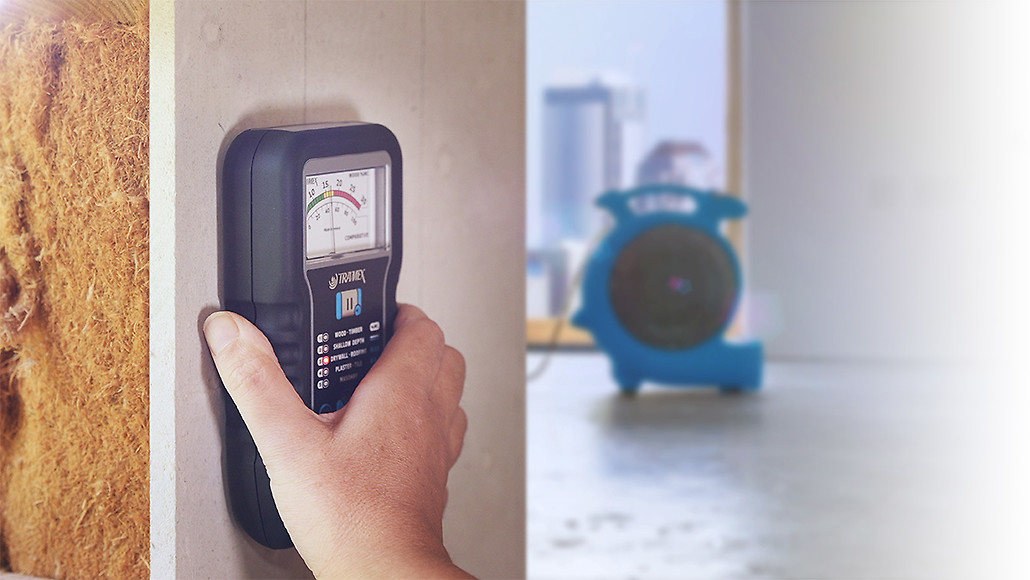
A proper water damage inspection goes beyond surface-level observations. Inspectors assess the extent of water intrusion using moisture meters, thermal imaging, and humidity measurements. These tools help locate moisture behind walls, under flooring, and inside ceilings without unnecessary demolition.
In Fort Lauderdale properties, inspections often focus on kitchens, bathrooms, AC systems, attics, and exterior walls. The inspection process identifies not only where water is present, but also how it entered and how far it has spread.
This information is essential for creating an effective water removal and repair plan.
Water Removal and Drying Process
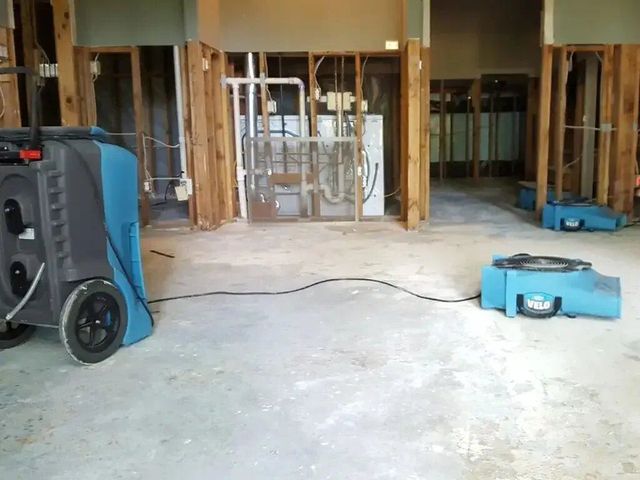
Once water intrusion is identified, the removal process begins. Standing water is extracted using professional equipment, followed by targeted drying of affected areas. Drying involves controlling airflow, temperature, and humidity to safely remove moisture from building materials.
Monitoring moisture levels throughout the process ensures that materials return to acceptable ranges. Skipping or rushing this step can leave residual moisture behind, increasing the risk of mold and future damage.
Repairing Water-Damaged Materials
After drying is complete, repairs address any materials that were damaged beyond recovery. This may include replacing sections of drywall, insulation, flooring, or baseboards. Repairs are focused on restoring the affected areas while ensuring moisture issues have been fully resolved.
Addressing the source of water intrusion is a critical part of the repair process. Plumbing repairs, roof fixes, AC adjustments, or drainage improvements may be necessary to prevent recurrence.
Flood-Related Water Removal Challenges
Flooding presents additional challenges, especially in low-lying areas of Fort Lauderdale. Floodwater can saturate large areas quickly and may carry debris or contaminants. Even after visible water is removed, moisture can remain trapped deep within materials.
Flood restoration focuses on thorough extraction, drying, and moisture monitoring. Proper handling of flood-related water damage helps prevent long-term issues and supports safer restoration of the property.
AC Systems, Ducts, and Water Damage
Air conditioning systems are closely connected to water damage in South Florida homes. Condensation buildup, clogged drains, and leaking ductwork can introduce water into walls and ceilings. Moisture inside ducts can also affect indoor air quality.
Inspection often includes evaluating AC components and duct systems for leaks or condensation issues. Air duct cleaning and moisture-related repairs help reduce the risk of recurring water problems.
Preventing Future Water Intrusion
Prevention starts with regular maintenance. Keeping AC systems serviced, clearing drain lines, and addressing plumbing issues promptly reduces water risks. Inspecting roofs, windows, and exterior walls after storms helps catch problems early.
Monitoring indoor humidity and ensuring proper ventilation also play an important role in moisture control. Small preventive steps can significantly reduce the likelihood of major water damage.
Why Local Experience Matters
Water removal in Fort Lauderdale requires an understanding of local conditions. Florida’s weather patterns, construction methods, and HVAC demands all influence how water behaves inside a structure. Local experience helps ensure inspections are thorough and solutions are appropriate for the environment.
Pompano Mold Inspection and Testing brings that regional knowledge to water removal, moisture detection, and water damage repair services across Fort Lauderdale, Pompano Beach, Coconut Creek, Deerfield Beach, Margate, North Lauderdale, and surrounding Broward County communities.
A Practical Way Forward
Water intrusion does not have to turn into a long-term problem. With proper inspection, timely water removal, and effective repairs, property owners can restore their spaces and reduce future risk. Taking a calm, informed approach helps protect the property and maintain its condition in Fort Lauderdale’s challenging climate.