Warning Signs and Prevention Tips: Indoor Air Quality Improvement in Lighthouse Point in Older Homes
Older homes in Lighthouse Point often have unique character and construction features, but they can also present challenges when it comes to indoor air quality. Over time, building materials age, ventilation systems may become less efficient, and moisture problems may develop. Combined with South Florida’s high humidity and frequent storms, these factors can affect airflow, increase indoor moisture, and allow dust or mold to accumulate. Improving indoor air quality helps maintain a comfortable living environment and protects both the home and its occupants.
Why Older Homes Are More Vulnerable to Air Quality Problems
Older homes may not have been designed with modern ventilation systems or moisture barriers. Over time, small issues such as aging ductwork, worn roofing materials, or outdated HVAC components can contribute to indoor air quality concerns.
Common factors affecting air quality in older homes include:
- Aging duct systems and insulation
- Poor ventilation in enclosed areas
- Small roof or plumbing leaks
- Air-conditioning condensation
- Dust buildup in older materials
When these issues combine with humid coastal air, indoor air conditions may gradually decline.
The Role of Humidity in Indoor Air Quality
Humidity is one of the most important factors affecting indoor air in Lighthouse Point. When moisture levels rise indoors, it can:
- Allow mold to develop
- Create musty odors
- Cause dust to cling to surfaces
- Slow the drying of damp materials
Older homes may have insulation or structural areas where airflow is limited, allowing humidity to remain trapped.
Warning Signs of Indoor Air Quality Problems
Indoor air quality issues often develop slowly, and homeowners may notice early warning signs before serious problems occur.
Signs that indoor air quality may need attention include:
- Musty or stale odors
- Increased dust buildup on furniture
- Uneven airflow between rooms
- Damp or humid feeling indoors
- Visible moisture near vents or ceilings
These signs often indicate ventilation or moisture issues that should be evaluated.
Hidden Sources That Affect Indoor Air Quality
Many air quality problems originate in areas that are not visible during daily living. Inspectors in Lighthouse Point often find contributing factors in:
- Attic insulation affected by humidity
- Wall cavities near plumbing lines
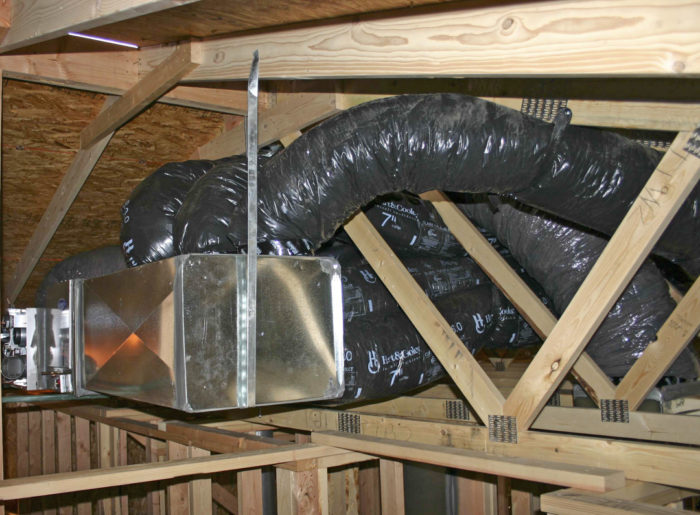
- Air ducts and return vents
- Carpet padding or subfloors with trapped moisture
- Air handler closets and condensate drain lines
Because these areas are concealed, problems may continue unnoticed for long periods.
Why Indoor Air Quality Improvement Matters
Improving indoor air quality helps maintain a healthier and more comfortable home environment. It also helps protect structural materials and HVAC systems.
Indoor air quality improvement helps:
- Reduce musty odors
- Improve airflow and cooling efficiency
- Lower indoor humidity
- Prevent mold growth
- Extend the lifespan of HVAC equipment
Addressing air quality issues early often prevents more extensive repairs later.
Why DIY Solutions Often Provide Only Temporary Relief
Homeowners sometimes try to improve indoor air quality by using air fresheners or portable fans. While these may temporarily mask odors or increase airflow, they often do not address underlying moisture or ventilation issues.
DIY efforts may fall short because:
- Moisture sources remain unresolved
- Hidden damp materials are not detected
- Duct systems remain contaminated
- Ventilation problems persist
Professional inspections help identify the root cause of air quality problems.
How Indoor Air Quality Improvement Works
Professional indoor air quality improvement typically begins with an evaluation of the home’s conditions.
Step 1: Inspection of HVAC and Ventilation Systems
Technicians examine ducts, vents, and air handlers to identify airflow or moisture issues.
Step 2: Moisture Detection
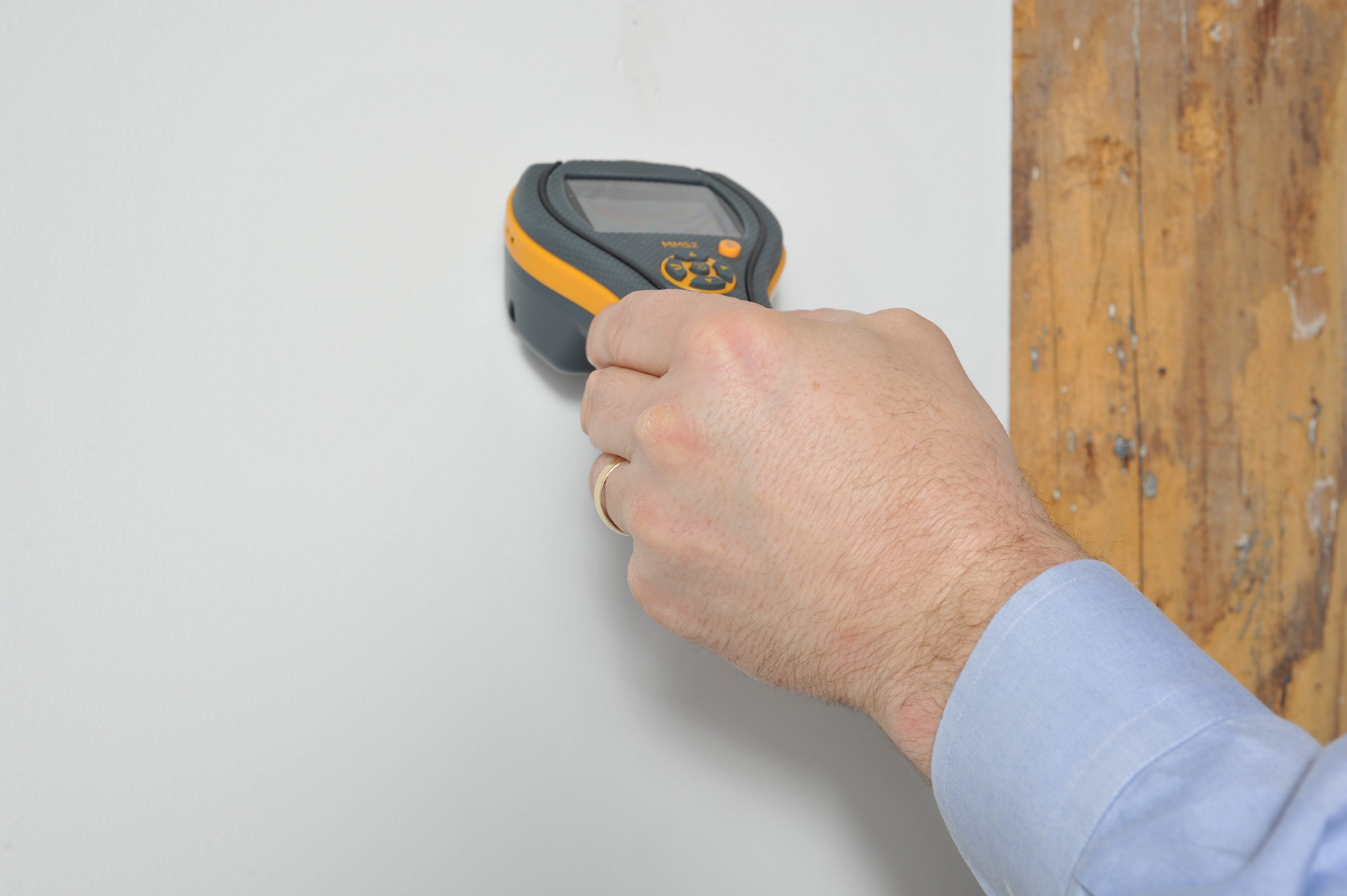
Moisture meters are used to locate damp areas in walls, ceilings, and flooring.
Step 3: Humidity Assessment
Indoor humidity levels are measured to determine whether conditions support mold growth.
Step 4: Recommendations and Solutions
Solutions may include duct cleaning, dehumidification, ventilation improvements, or moisture repairs.
Pompano Mold Inspection and Testing often evaluates indoor air quality and moisture conditions in Lighthouse Point and nearby Broward County communities, helping homeowners in older homes identify issues early.
Mold and Indoor Air Quality
Mold growth is closely linked to indoor air conditions. When moisture is present, mold may develop in:
- Drywall and insulation
- Air ducts and HVAC components
- Carpet padding
- Wood framing
If mold is detected, remediation may include removing contaminated materials, cleaning structural surfaces, and thoroughly drying affected areas.
HVAC Systems and Air Quality in Older Homes
HVAC systems play a central role in maintaining indoor air quality. In older homes, problems may occur when:
- Air filters are not replaced regularly
- Duct insulation becomes worn or damp
- Condensate drain lines become clogged
- Airflow is restricted in certain areas
Routine maintenance helps HVAC systems function efficiently and maintain balanced humidity levels.
Prevention Tips That Help Improve Indoor Air Quality
Homeowners in Lighthouse Point can improve indoor air quality by following practical steps.
Control Indoor Humidity
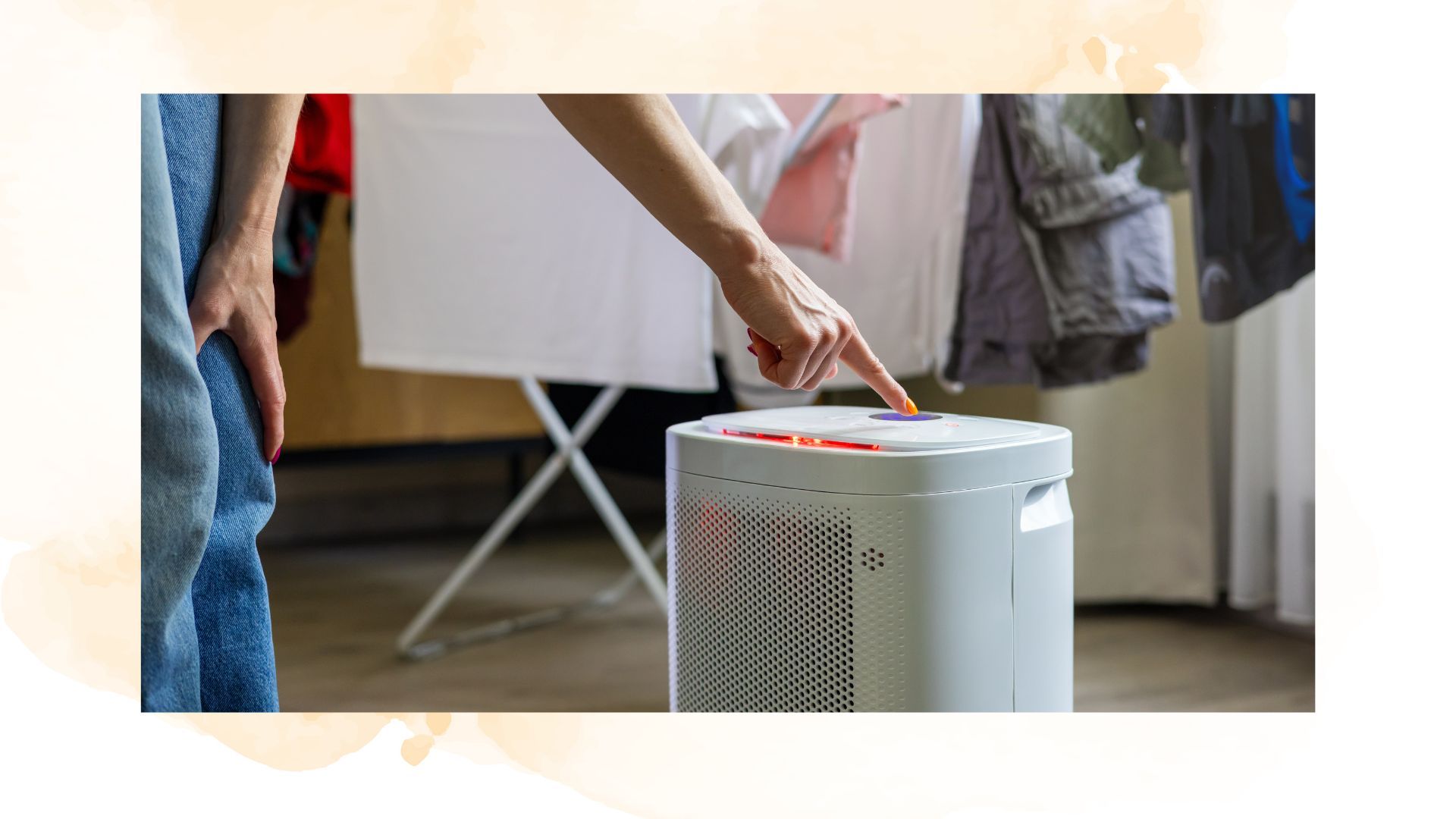
Using dehumidifiers helps maintain balanced moisture levels, especially during humid summer months.
Replace HVAC Filters Regularly
Clean filters improve airflow and reduce dust circulation.
Improve Ventilation
Bathrooms, kitchens, and attics benefit from proper airflow to remove moisture.
Inspect After Storms
Checking ceilings, walls, and attic areas helps detect moisture early.
Maintain Duct Systems
Periodic duct cleaning helps remove dust and debris that affect airflow.
These preventive measures significantly reduce the likelihood of air quality problems.
Why Routine Inspections Matter
Periodic inspections help identify small issues before they become serious. Routine indoor air quality evaluations are especially helpful:
- During humid summer months
- After heavy rain or storms
- When musty odors appear
- When airflow changes or cooling efficiency drops
Early detection helps prevent costly repairs and improves indoor comfort.
Why Local Experience Matters
Improving indoor air quality in older coastal homes requires an understanding of local climate and construction conditions. Professionals familiar with Lighthouse Point understand:
- How humidity affects older building materials
- Typical ventilation challenges in Broward County homes
- Common moisture patterns after storms
This local knowledge helps inspections and solutions be more effective.
A Practical Next Step for Homeowners
Indoor air quality improvement is an important part of maintaining older homes in Lighthouse Point. Identifying moisture sources, maintaining HVAC systems, and improving ventilation help prevent mold growth and maintain comfortable indoor conditions.
With regular inspections, proper maintenance, and attention to humidity levels, homeowners can keep older homes clean, comfortable, and well protected throughout the year.