
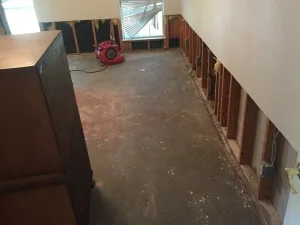
How to Prevent Future Damage: Water Testing in Deerfield Beach during the Rainy Season
Rainy season in Deerfield Beach brings welcome relief from heat, but it also introduces one of the biggest risks for residential properties — hidden water intrusion. Heavy rains, saturated ground, roof leaks, and drainage problems often allow water to enter homes quietly, sometimes without obvious flooding.
Many homeowners only realize there is a problem when stains appear or mold odors develop weeks later. By then, moisture may already have spread into walls, flooring, and insulation. Water testing during and after the rainy season helps homeowners detect hidden moisture early and prevent long-term damage.
Understanding how water testing works and how it helps prevent future problems allows Deerfield Beach homeowners to protect their properties before minor issues become expensive repairs.
What Water Testing Means in Homes
Water testing in residential properties focuses on identifying moisture or water intrusion affecting the building structure. It is not only about drinking water quality but also about detecting leaks and hidden moisture within the home.
Professional water testing often includes:
• Moisture detection inside walls and flooring
• Leak detection from plumbing or roofing systems
• Evaluation of areas exposed to rain intrusion
• Inspection of drainage and ventilation conditions
• Sampling water when contamination is suspected
The goal is to locate moisture sources and stop damage before mold or structural issues develop.
Why Rainy Season Creates Water Problems in Deerfield Beach
Homes across Deerfield Beach and nearby communities like Lighthouse Point, Pompano Beach, Coconut Creek, and Fort Lauderdale experience consistent rainfall during the wet season. While most homes handle rain well, small weaknesses often lead to water intrusion.
Common rainy season causes include:
• Roof leaks caused by aging shingles or flashing
• Clogged gutters or drainage systems
• Window and door seal failures
• Groundwater seepage after prolonged rain
• Plumbing leaks exposed by increased water usage
• AC condensate drain overflow
Even small leaks during rainy months can allow moisture to accumulate slowly inside walls and floors.
Early Signs of Rain-Related Moisture Problems
Rain damage rarely begins with major flooding. Many homeowners first notice subtle warning signs.
Common early signs include:
• Musty odors appearing after storms
• Ceiling or wall stains forming slowly
• Peeling paint or bubbling drywall
• Warped flooring near exterior walls
• Condensation on windows
• Increased humidity indoors
• Mold appearing along baseboards or corners
These signs usually indicate hidden moisture that needs inspection.
Hidden Areas Where Rainwater Often Travels
Rainwater intrusion often spreads far from the original entry point.
Common hidden moisture locations include:
• Behind drywall under roof leak areas
• Inside ceiling cavities
• Under flooring materials
• Around windows and sliding doors
• Under cabinets near exterior walls
• Inside attic insulation
• Around AC closets or ducts
Without moisture detection tools, these areas may remain wet for extended periods.
Why DIY Checks Often Miss Moisture Problems
Homeowners often inspect roofs or walls after storms, but hidden moisture is difficult to locate without professional equipment.
DIY inspections often miss problems because:
• Moisture remains inside walls or insulation
• Water travels along framing away from entry points
• Ceiling surfaces dry faster than hidden materials
• Mold growth may start out of sight
Without proper moisture testing, hidden damage may continue unnoticed.
Professional Water Testing and Inspection Explained
Professional water testing involves evaluating the home to determine where moisture has entered and how far it has spread.
The inspection process typically includes:
- Visual evaluation of problem areas
- Moisture scanning inside walls and floors
- Inspection of roofing and exterior intrusion points
- HVAC and duct moisture evaluation
- Identification of water intrusion sources
Companies such as Pompano Mold Inspection and Testing help homeowners understand where moisture problems exist and what corrective steps are necessary.
Proper inspection prevents guesswork and unnecessary repairs.
How Water Testing Prevents Future Damage
Water testing allows homeowners to act early, before long-term problems develop.
Benefits include:
• Detecting leaks before mold growth begins
• Preventing drywall and flooring damage
• Avoiding costly structural repairs
• Maintaining indoor air quality
• Reducing long-term restoration expenses
Early action keeps small issues manageable.
Mold Risks After Rainy Season Moisture
When moisture remains untreated after storms, mold growth often follows. Mold can develop inside hidden spaces where materials stay damp.
Mold commonly appears:
• Behind walls exposed to rain intrusion
• Inside insulation and framing
• Beneath flooring materials
• Around windows and door frames
• Inside duct systems exposed to moisture
Professional inspection may recommend mold testing when contamination is suspected.
Flood Restoration and Water Damage Repair
Sometimes heavy rains lead to minor flooding or large leaks. When this occurs, restoration services may be necessary.
Flood restoration often includes:
• Water extraction
• Structural drying
• Moisture monitoring
• Replacement of damaged materials
• Mold prevention treatments
Quick response after rain events prevents long-term damage.
HVAC Systems and Rainy Season Moisture Problems
Air conditioning systems also play a role during rainy season. High humidity combined with AC operation can lead to condensation buildup.
Common HVAC moisture issues include:
• Condensate drain line overflow
• Wet duct insulation
• Mold growth inside ducts
• Increased indoor humidity
Routine AC maintenance helps control indoor moisture.
Prevention Tips for Future Rainy Seasons
Homeowners can reduce rain-related water damage risks through preventive maintenance.
Helpful prevention steps include:
• Inspecting roofs before rainy season begins
• Cleaning gutters and drainage systems
• Sealing window and door leaks
• Maintaining AC drain lines
• Monitoring humidity indoors
• Inspecting attics and ceilings after storms
• Scheduling moisture inspections when needed
Preventive care saves significant repair costs later.
Why Local Experience Matters
Water intrusion patterns vary by climate and construction style. Homes in Deerfield Beach face humidity and coastal rain exposure that influence how moisture spreads.
Professionals familiar with Broward County construction understand common intrusion points and moisture pathways. Pompano Mold Inspection and Testing works throughout the region and understands local moisture challenges affecting homes.
Local expertise helps identify problems faster and plan effective repairs.
A Practical Next Step for Homeowners
If your Deerfield Beach home shows signs of moisture after heavy rains, scheduling professional water testing is a practical step. Early inspection prevents mold growth and costly repairs while protecting indoor comfort.
Rainy season moisture problems often begin quietly, but when addressed early, solutions are straightforward and manageable. Taking action now helps homeowners maintain safe, comfortable homes and avoid future restoration expenses.