

Fort Lauderdale Flood Restoration in Residential Homes: Risks and Prevention Methods
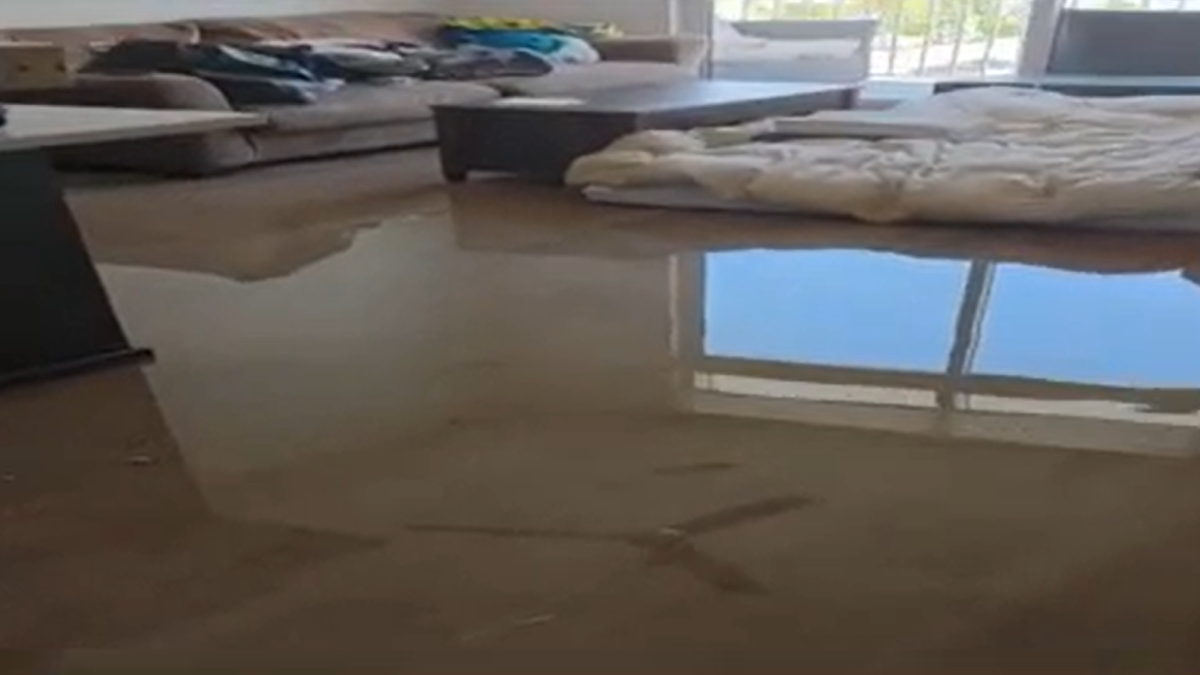
Flooding is an ongoing concern for residential homeowners in Fort Lauderdale. Heavy seasonal rains, hurricanes, storm surge, and overwhelmed drainage systems regularly introduce water into homes, even outside officially designated flood zones. In South Florida’s climate, floodwater does not simply evaporate and disappear. If not handled properly, it leads to long-term damage, mold growth, and repeated restoration issues. Understanding flood risks, proper restoration methods, and prevention strategies helps homeowners protect their properties and avoid costly future repairs.
In Fort Lauderdale neighborhoods, flooding is often a combination of environmental conditions and structural vulnerabilities. Effective flood restoration focuses not only on removing water, but on fully addressing hidden moisture and preventing repeat events.
What Flood Restoration Really Involves
Flood restoration is the process of removing floodwater, drying affected materials, repairing damage, and restoring a home to safe, stable conditions. It goes far beyond surface cleanup. Floodwater can penetrate walls, flooring, insulation, and structural components, leaving moisture trapped long after visible water is gone.
Proper restoration includes water removal, moisture detection, controlled drying, and repair of materials that cannot be salvaged. Without a thorough approach, moisture remains behind and creates conditions for mold growth and material deterioration.
Why Residential Flooding Is Common in Fort Lauderdale
Fort Lauderdale’s geography and climate make residential flooding a recurring issue. Heavy rain events can overwhelm drainage systems, especially during hurricane season. Flat terrain and high water tables increase the risk of water pooling around foundations and entering homes.
Storm surge and wind-driven rain can force water through doors, windows, and roof systems. Even homes that avoid direct flooding may experience water intrusion through compromised seals or aging building materials. Similar risks are seen in nearby communities like Lauderdale-by-the-Sea, Pompano Beach, and Lighthouse Point.
Slab foundations, common throughout Broward County, can also allow moisture to migrate upward after flood events, affecting flooring and lower walls.
Immediate Risks After Residential Flooding
Floodwater introduces several immediate risks to residential properties. Saturated drywall, insulation, and wood framing weaken quickly and may lose structural integrity. Flooring materials can warp, swell, or separate, especially when moisture remains trapped underneath.
Mold growth is another major concern. In Fort Lauderdale’s warm, humid environment, mold can begin developing shortly after flooding if moisture is not properly removed. Odors, discoloration, and long-term indoor air quality issues often follow incomplete drying.
Electrical systems, appliances, and HVAC components may also be affected, increasing the complexity of restoration and repair.
Hidden Damage After Flood Events
One of the biggest challenges in flood restoration is hidden damage. Water often travels beneath flooring, inside wall cavities, and through insulation without leaving obvious surface signs. Homeowners may believe the problem is resolved once visible water is removed, only to discover issues weeks or months later.
Baseboards, lower walls, and cabinets commonly conceal lingering moisture. AC systems and ductwork can also collect moisture after flooding, especially if floodwater enters mechanical areas or utility spaces.
Why DIY Flood Cleanup Often Falls Short
Many homeowners attempt to handle flood cleanup themselves using fans, wet vacuums, or household dehumidifiers. While these steps may help with surface water, they rarely address moisture trapped inside materials.
Without moisture detection and proper drying equipment, it is difficult to know whether materials have returned to safe moisture levels. Incomplete drying is one of the most common reasons homeowners experience mold growth after flooding, even when initial cleanup seemed successful.
Professional Flood Inspection and Moisture Detection
Effective flood restoration begins with inspection. Professional flood inspections focus on identifying how far water has spread and where moisture remains. Moisture meters and thermal imaging are used to locate damp areas inside walls, floors, and ceilings without unnecessary demolition.
In Fort Lauderdale homes, inspections often concentrate on lower levels, slab edges, bathrooms, kitchens, and areas near exterior walls. Identifying hidden moisture early helps limit damage and guides the restoration process.
Water Removal and Drying Process
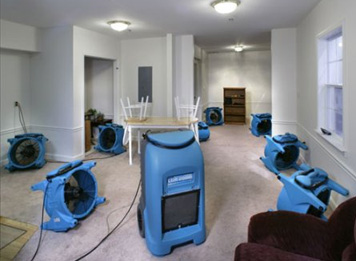
Once the extent of flooding is identified, water removal begins. Standing water is extracted using professional equipment, followed by targeted drying of affected areas. Drying is carefully controlled to remove moisture from materials without causing secondary damage.
Airflow, humidity, and temperature are managed throughout the process, and moisture levels are monitored until materials return to acceptable ranges. This step is critical to preventing mold and long-term deterioration.
Repairing Flood-Damaged Materials
After drying, repairs address materials that cannot be salvaged. This may include replacing sections of drywall, insulation, flooring, cabinets, or baseboards. Repairs also focus on correcting vulnerabilities that allowed water to enter the home.
Addressing flood damage properly helps restore the home’s structure and reduces the likelihood of future issues related to the same event.
Flood-Related Mold Concerns
Flooding and mold are closely connected in South Florida homes. Even clean water flooding can lead to mold growth if moisture remains trapped. Mold often develops in wall cavities, under flooring, or inside duct systems after flood events.
Mold inspection and remediation may be necessary if moisture exposure was prolonged. Addressing mold early prevents further spread and supports healthier indoor conditions.
Preventing Future Flood Damage in Fort Lauderdale Homes
Prevention begins with understanding flood risks specific to the property. Maintaining roofs, sealing windows and doors, and ensuring proper drainage around the home reduces water intrusion during storms. Keeping gutters clear and grading soil away from foundations also helps manage runoff.
Inside the home, maintaining plumbing systems and AC components reduces the risk of internal water issues during heavy rain events. Installing moisture-resistant materials in vulnerable areas can further limit damage.
Why Local Experience Matters
Flood restoration in Fort Lauderdale requires local knowledge. Florida’s storm patterns, construction styles, and moisture behavior differ from other regions. Understanding how water moves through South Florida homes allows for more accurate inspections and effective restoration strategies.
Pompano Mold Inspection and Testing brings that local experience to flood restoration, moisture detection, mold inspection, and water damage repair services throughout Fort Lauderdale, Coconut Creek, Deerfield Beach, Margate, North Lauderdale, Pompano Beach, and surrounding Broward County communities.
A Steady, Preventive Approach
Residential flooding is stressful, but it does not have to lead to ongoing problems. With proper inspection, thorough water removal, and targeted repairs, flood damage can be addressed effectively. Focusing on prevention and early action helps Fort Lauderdale homeowners protect their properties and reduce future flood-related risks.