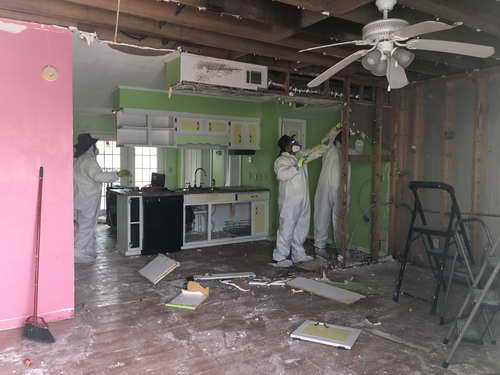
Storm damage can create ideal conditions for mold growth in Lighthouse Point homes. Heavy rain, roof leaks, and water intrusion often leave hidden moisture in walls, ceilings, and attics, which can quickly lead to mold colonies. Timely mold removal is essential to protect structural integrity, maintain indoor air quality, and ensure a safe living environment.
For homeowners in Lighthouse Point and nearby areas including Pompano Beach, Deerfield Beach, Margate, Coconut Creek, North Lauderdale, Fort Lauderdale, and Lauderdale-by-the-Sea, understanding practical mold removal strategies helps prevent further damage and long-term health risks.
What Mold Removal Involves
Mold removal is the professional process of identifying, containing, and eliminating mold from affected areas. Key steps include:
- Inspection and Testing – Identifying visible and hidden mold, as well as moisture sources
- Containment – Sealing off affected areas to prevent spores from spreading
- Removal of Contaminated Materials – Safely removing drywall, insulation, carpet, or other impacted items
- Cleaning and Sanitization – Treating surfaces to kill remaining mold spores
- Drying and Moisture Control – Ensuring all structural components are thoroughly dried
- Repairs and Restoration – Replacing damaged materials and restoring the home to pre-damage condition
Professional mold removal ensures that mold is fully eliminated and the home is protected against future growth.
How Storm Damage Promotes Mold Growth
Storms increase the likelihood of mold in several ways:
- Roof leaks – Allow rainwater to penetrate attics and ceilings
- Flooding and water intrusion – Moisture seeps into walls, floors, and insulation
- Poor ventilation – Traps humidity in enclosed spaces, creating damp conditions
- AC system condensation – Excess moisture in ducts or drip pans encourages mold growth
Even minor leaks or standing moisture can lead to mold if not addressed promptly.
Early Signs of Mold After Storm Damage
Homeowners should watch for warning signs that mold may be present:
- Musty or earthy odors in attics, basements, or living areas
- Water stains or discoloration on walls and ceilings
- Bubbling paint or peeling wallpaper
- Soft or warped flooring near windows, plumbing, or walls
- Visible black, green, or white mold patches
- Increased allergy symptoms or respiratory irritation among occupants
Recognizing these signs early allows for timely intervention before mold spreads.
Hidden Mold Sources
Mold often grows in areas that are not immediately visible:
- Inside wall cavities and behind baseboards
- Under carpets, tiles, or laminate flooring
- Attic insulation and roofline structures
- HVAC ducts and air handling units
- Around plumbing lines and cabinets exposed to moisture
Professional inspections using moisture meters and thermal imaging are critical to locating hidden mold.
Why DIY Mold Removal Often Fails
Attempting mold removal without professional expertise can be ineffective and hazardous:
- Mold spores may spread to other areas during cleaning
- Hidden moisture may remain, allowing mold to regrow
- Improper cleaning can damage building materials
- Air quality may be compromised if spores are not properly contained
Professional removal ensures safe, thorough, and long-lasting results.
Professional Mold Removal Process
The standard process for mold removal after storm damage includes:
- Assessment and Inspection – Identify affected areas, visible and hidden mold, and moisture sources.
- Containment – Seal off areas to prevent mold spores from spreading.
- Air Filtration – Use HEPA filters and negative air pressure to capture airborne spores.
- Removal of Contaminated Materials – Safely remove affected drywall, insulation, or flooring.
- Cleaning and Sanitization – Treat structural surfaces to eliminate remaining spores.
- Drying and Moisture Control – Ensure all areas are thoroughly dried to prevent regrowth.
- Repair and Restoration – Replace damaged materials and restore the home to pre-damage condition.
Local providers like Pompano Mold Inspection and Testing have the expertise to handle mold removal in Lighthouse Point homes affected by storm damage.
Preventive Measures for Homeowners
After mold removal, homeowners can take steps to reduce future risks:
- Inspect and maintain roofs and gutters to prevent leaks
- Ensure proper attic and wall ventilation to reduce humidity
- Maintain AC systems and check condensation lines regularly
- Address plumbing leaks promptly
- Use moisture barriers in vulnerable areas like attics and crawl spaces
- Schedule routine inspections after heavy storms or flooding
Proactive maintenance helps prevent mold recurrence and protects indoor air quality.
Benefits of Professional Mold Removal
Professional mold removal provides several advantages:
- Complete removal of visible and hidden mold
- Prevention of mold regrowth and associated structural damage
- Protection of indoor air quality and occupant health
- Faster, safer restoration compared to DIY methods
- Peace of mind knowing the home is safe and properly maintained
Timely, professional intervention is especially important in humid, storm-prone areas like Lighthouse Point.
Why Local Expertise Matters
Mold behavior in Lighthouse Point homes is influenced by high humidity, storm patterns, and local construction practices. Professionals familiar with Lighthouse Point, Pompano Beach, Deerfield Beach, Margate, Coconut Creek, North Lauderdale, Fort Lauderdale, and Lauderdale-by-the-Sea understand the environmental factors that contribute to mold growth and how to remediate it effectively.
Local expertise ensures inspections, removal, and preventive measures are tailored to South Florida homes.
A Calm, Practical Next Step for Homeowners
Mold removal after storm damage is essential to protect Lighthouse Point homes from structural deterioration, indoor air quality issues, and long-term moisture problems. Professional inspection, containment, removal, and restoration provide safe, lasting solutions.
Partnering with a trusted local provider like Pompano Mold Inspection and Testing ensures that homes are thoroughly remediated and safeguarded against future mold growth in South Florida’s humid, storm-prone environment.