
Home Moisture Control in North Lauderdale: How to Prevent Future Damage
Moisture is one of the most persistent threats to homes in North Lauderdale. It doesn’t always arrive as a dramatic flood or visible leak. More often, it builds quietly through humidity, condensation, and small water intrusions that go unnoticed until damage appears. For homeowners, landlords, and property managers, understanding how moisture behaves inside a home is the first step toward preventing costly repairs, mold growth, and long-term structural issues.
In South Florida, moisture control is not a one-time fix. It requires awareness, routine maintenance, and a clear understanding of where problems typically start. Homes in North Lauderdale face specific challenges due to climate, construction styles, and aging systems, making proactive moisture control especially important.
What Home Moisture Control Really Means
Home moisture control is the ongoing process of managing humidity, preventing water intrusion, and ensuring that building materials stay dry. It involves more than wiping up visible water or running a fan after a spill. Effective moisture control focuses on preventing moisture from entering the home and quickly addressing it when it does.
This includes managing indoor humidity levels, maintaining plumbing and AC systems, sealing vulnerable areas, and monitoring spaces where moisture commonly collects. When moisture control is done correctly, it helps protect walls, floors, ceilings, and air systems from deterioration.
Why Moisture Problems Are So Common in North Lauderdale
North Lauderdale’s climate plays a major role in moisture issues. High humidity levels persist most of the year, and homes rely heavily on air conditioning to maintain comfort. While AC systems help remove moisture from the air, they can also create condensation problems when not properly maintained.
Seasonal storms and heavy rainfall add another layer of risk. Water can enter through roofs, windows, doors, or small foundation gaps, especially in older homes. Slab foundations, common throughout Broward County, can allow moisture to migrate upward from the ground, affecting flooring and baseboards without an obvious leak.
Nearby areas like Margate, Coconut Creek, and Fort Lauderdale experience similar conditions, but localized drainage and construction differences can make moisture behavior vary from home to home.
Early Signs of Moisture Issues
Moisture problems often show subtle warning signs before serious damage occurs. Musty odors are one of the earliest indicators, especially in closets, bathrooms, or rooms with limited airflow. Homeowners may also notice condensation on vents, windows, or AC components.
Peeling paint, bubbling drywall, and minor discoloration near baseboards are common visual clues. Floors that feel soft or slightly uneven can also suggest moisture beneath the surface. Catching these signs early makes moisture control much easier and less disruptive.
Hidden Areas Where Moisture Builds Up
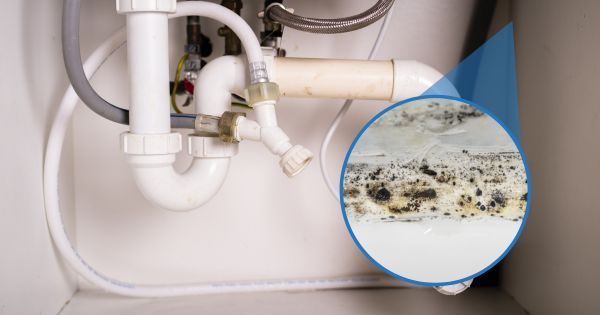
Some of the most damaging moisture issues occur in areas that are rarely checked. Under sinks, behind appliances, and inside cabinets are common trouble spots. Small plumbing leaks can slowly saturate surrounding materials without immediate signs.
Attics are another major risk area. AC drain line leaks, roof penetration issues, or poor ventilation can allow moisture to soak insulation and ceiling materials. Air ducts can also collect condensation, especially when insulation is damaged or airflow is restricted.
Bathrooms and laundry areas are frequent moisture sources as well, particularly when ventilation is inadequate.
Why DIY Moisture Control Often Fails
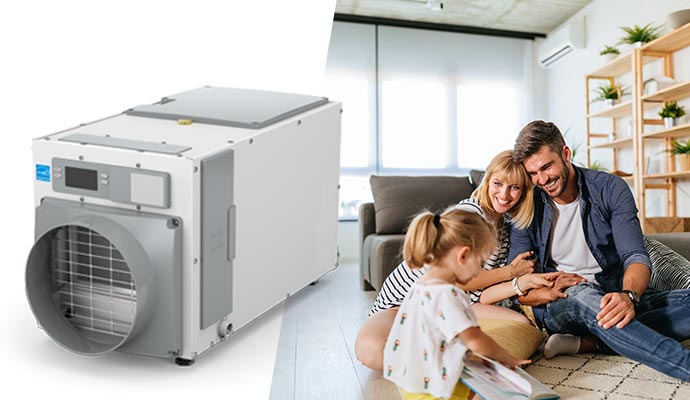
Many homeowners attempt to control moisture using surface-level solutions like fans, basic dehumidifiers, or periodic cleaning. While these steps can help temporarily, they often fail to address the root cause of the problem.
Moisture trapped inside walls, under floors, or within duct systems cannot be managed effectively without identifying the source. Simply drying visible areas without correcting leaks, condensation issues, or ventilation problems allows moisture to return and continue causing damage.
Professional Moisture Detection Explained
Effective moisture control starts with understanding where moisture is coming from. Professional moisture detection uses specialized tools to locate moisture inside walls, ceilings, floors, and other hidden areas without unnecessary demolition.
Moisture meters, thermal imaging, and humidity measurements help identify problem areas and determine whether moisture levels are within safe ranges. In North Lauderdale homes, moisture detection often focuses on AC systems, plumbing areas, exterior walls, and lower portions of the home.
This process provides a clear picture of moisture conditions and guides targeted solutions.
AC Systems and Moisture Control
Air conditioning systems play a central role in moisture management. While they remove humidity from the air, they can also introduce moisture through condensation if drain lines clog or components malfunction.
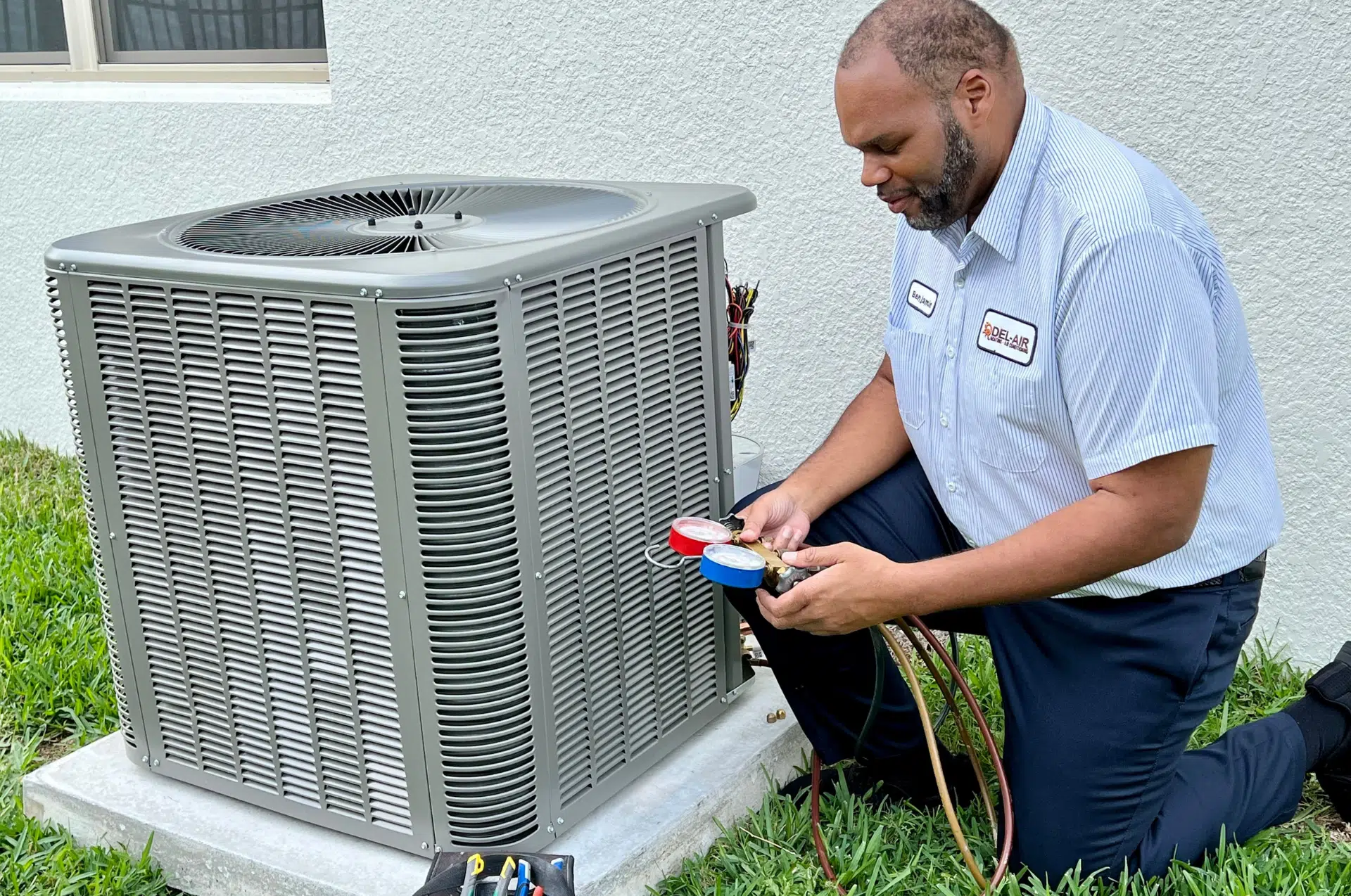
Regular AC maintenance is one of the most effective moisture control measures. Clearing drain lines, inspecting coils, and ensuring proper airflow reduce the risk of leaks and condensation buildup. Duct insulation and sealing are also critical to preventing moisture inside air systems.
Plumbing Maintenance and Leak Prevention
Plumbing issues are a leading cause of moisture damage in North Lauderdale homes. Slow leaks under sinks, inside walls, or beneath slab foundations can go unnoticed for long periods. Regular inspection of plumbing fixtures, supply lines, and drains helps catch problems early.
Addressing even small leaks promptly prevents moisture from spreading into surrounding materials. In older homes, updating aging plumbing components can significantly reduce long-term moisture risks.
Ventilation and Humidity Management
Proper ventilation is essential for moisture control. Bathrooms, kitchens, and laundry rooms should have functioning exhaust systems to remove humid air. Without ventilation, moisture lingers and is absorbed by walls and ceilings.
Monitoring indoor humidity levels is also important. Consistently high humidity creates conditions where mold and material deterioration are more likely. Managing airflow throughout the home helps maintain balanced moisture levels.
Moisture Control After Storms and Heavy Rain
After heavy rain or storms, homes should be checked for signs of water intrusion. Attics, ceilings, exterior walls, and areas around windows and doors are common entry points. Early inspection allows moisture to be addressed before it spreads.
Prompt water removal and drying after storm-related intrusion help prevent mold growth and long-term damage. Even minor water entry should be taken seriously in South Florida’s humid environment.
Preventing Long-Term Damage Through Proactive Care
Consistent maintenance is the key to preventing future moisture damage. Regular inspections, prompt repairs, and moisture monitoring help keep small issues from becoming major problems.
Homes that stay ahead of moisture issues tend to experience fewer mold problems, lower repair costs, and better overall indoor conditions. Proactive moisture control protects both the structure and comfort of the home.
Why Local Experience Matters
Moisture control in North Lauderdale requires an understanding of local conditions. Florida’s humidity, rainfall patterns, and construction styles all influence how moisture behaves inside a home. Local experience helps identify high-risk areas and apply solutions that work in Broward County homes.
Pompano Mold Inspection and Testing brings that regional knowledge to moisture detection, mold inspection, water-related services, and home moisture control throughout North Lauderdale, Margate, Coconut Creek, Fort Lauderdale, Pompano Beach, and surrounding communities.
A Practical, Preventive Approach
Moisture problems don’t have to be inevitable. With the right approach, homeowners can control moisture and prevent future damage. Understanding warning signs, maintaining key systems, and addressing issues early helps protect North Lauderdale homes from long-term moisture-related problems. Proactive moisture control is one of the most effective ways to preserve a home’s condition and avoid costly repairs over time.