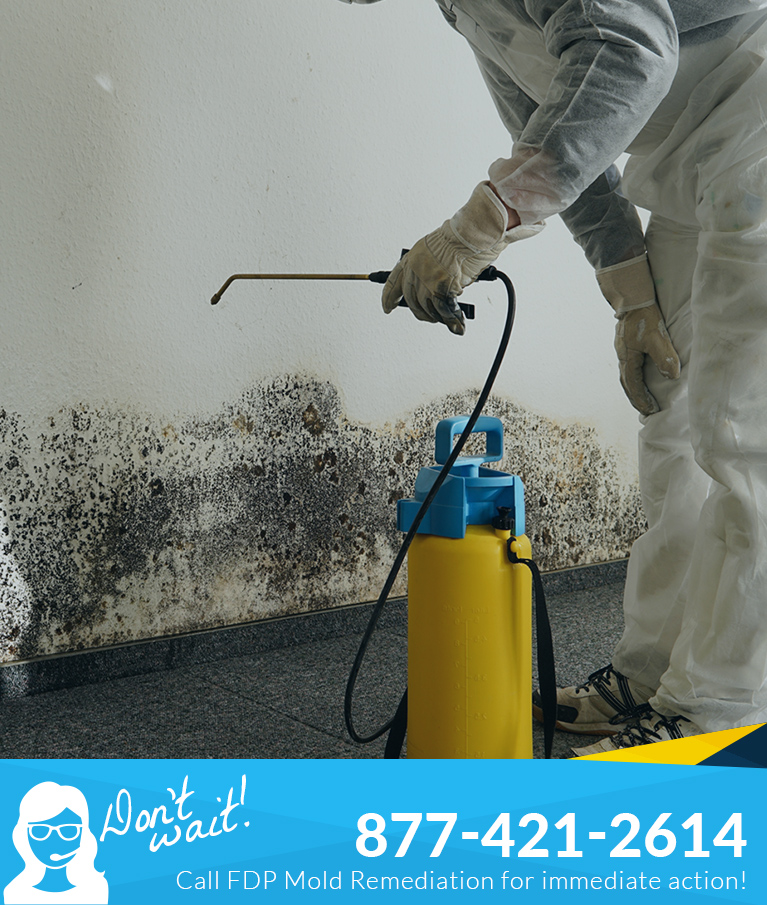
Storm damage in Fort Lauderdale homes can create ideal conditions for black mold growth. Water intrusion from heavy rains, roof leaks, or flooding can saturate walls, ceilings, and floors, leading to moisture buildup and microbial contamination. Black mold not only damages structural components but can also affect indoor air quality. Professional removal is essential to ensure the home is safe, healthy, and fully restored.
For homeowners in Fort Lauderdale and nearby areas including Pompano Beach, Lighthouse Point, Deerfield Beach, Margate, Coconut Creek, North Lauderdale, and Lauderdale-by-the-Sea, understanding the black mold removal process is key to protecting both property and occupants.
What Black Mold Is
Black mold, scientifically known as Stachybotrys chartarum, thrives in damp, poorly ventilated areas. It often appears as dark green or black patches on walls, ceilings, wood, or insulation. Unlike ordinary household mold, black mold can grow quickly after water intrusion and may cause persistent odors and structural damage.
How Storm Damage Leads to Black Mold
Storms and heavy rainfall contribute to mold growth in several ways:
- Roof leaks – Water seeps into attics and ceilings
- Flooding – Water infiltrates floors, basements, and crawl spaces
- AC condensation overflow – Moisture accumulates in walls or ductwork
- Poor ventilation – Traps humidity and prevents drying
- Water leaks from plumbing – Provides a constant moisture source
Even minor leaks left untreated can promote rapid black mold growth.
Early Signs of Black Mold
Homeowners should watch for warning signs, including:
- Musty or earthy odors
- Dark green or black spots on walls, ceilings, or wood
- Peeling paint or wallpaper
- Warped, soft, or discolored flooring
- Allergic reactions or respiratory irritation among occupants
- Visible mold growth in hidden areas like attics, crawl spaces, or behind cabinets
Early detection allows timely remediation before structural damage occurs.
Hidden Areas Where Black Mold Grows
Black mold often develops in concealed areas, making professional inspection essential:
- Inside wall cavities and behind baseboards
- Under carpets, tiles, or laminate flooring
- Attic insulation and roof structures
- HVAC ducts and air handling units
- Crawl spaces or utility chases
Professional removal addresses both visible and hidden mold to ensure complete remediation.
Why DIY Black Mold Removal Often Fails
Homeowners attempting DIY black mold removal face challenges:
- Hidden mold behind walls or under floors may be missed
- Improper cleaning can spread spores throughout the home
- Structural components may remain contaminated
- Specialized equipment and protective gear are required for safety
Professional services provide safe, thorough removal and prevent recontamination.
Step-by-Step Black Mold Removal Process
- Inspection and Assessment – Identify affected areas and moisture sources
- Containment – Seal off contaminated areas to prevent spore spread
- Air Filtration – Use HEPA filters and negative air machines to clean the air
- Removal of Mold-Infested Materials – Carefully remove drywall, insulation, or flooring that cannot be salvaged
- Cleaning and Sanitization – Apply antimicrobial treatments to salvageable surfaces
- Drying and Moisture Control – Ensure all areas are thoroughly dried to prevent recurrence
- Repair and Restoration – Replace removed materials and restore the home to pre-damage condition
- Final Inspection – Confirm mold is fully removed and indoor air quality is safe
Local professionals like Pompano Mold Inspection and Testing specialize in black mold removal for Fort Lauderdale homes, ensuring thorough and safe remediation.
Preventive Measures After Removal
To reduce the risk of future black mold growth:
- Repair roof leaks and plumbing issues promptly
- Maintain proper attic, crawl space, and wall ventilation
- Monitor indoor humidity and use dehumidifiers if necessary
- Schedule regular professional inspections, especially after storms
- Keep AC condensate lines clean and functioning properly
Preventive maintenance protects the home and indoor air quality over the long term.
Benefits of Professional Black Mold Removal
Engaging professionals provides multiple advantages:
- Complete removal of visible and hidden mold
- Prevention of spore spread during cleaning
- Protection of structural components
- Improved indoor air quality and home safety
- Peace of mind for homeowners
Timely professional intervention prevents long-term damage and costly repairs.
Why Local Expertise Matters
Black mold behavior in Fort Lauderdale homes is influenced by high humidity, frequent storms, and local construction practices. Professionals familiar with Fort Lauderdale, Pompano Beach, Lighthouse Point, Deerfield Beach, Margate, Coconut Creek, North Lauderdale, and Lauderdale-by-the-Sea know which homes are most vulnerable and the best removal techniques.
Local expertise ensures mold removal and restoration are tailored to South Florida homes and environmental conditions.
A Calm, Practical Next Step for Homeowners
Black mold removal after storm damage is essential for protecting Fort Lauderdale homes from structural damage, compromised air quality, and long-term moisture issues. Professional inspection, containment, cleaning, and restoration provide safe and lasting solutions.
Working with a trusted local provider like Pompano Mold Inspection and Testing ensures complete black mold remediation and ongoing protection in South Florida’s humid, storm-prone environment.