

How Carpet Cleaning After Water Damage Helps Homes in Pompano Beach after Heavy Rain
Heavy rain is a regular part of life in Pompano Beach, and even when flooding is not obvious, water can still find its way into homes. Saturated ground, overwhelmed drainage, roof runoff, and minor leaks often leave carpets damp after storms. In South Florida’s humid climate, wet carpets are more than an inconvenience. If they are not cleaned and dried properly, they can become a source of mold, odors, and long-term damage. Understanding how carpet cleaning after water damage helps protect homes allows property owners to respond correctly after heavy rain.
In many Pompano Beach homes, carpet damage after storms develops quietly. By the time a musty smell or visible discoloration appears, moisture may already be trapped beneath the surface.
How Heavy Rain Leads to Carpet Water Damage
Heavy rain increases moisture pressure around homes. Water can enter through doors, windows, sliding glass tracks, or small foundation gaps. In some cases, rainwater seeps in from saturated soil around slab foundations, which are common throughout Broward County.
Roof leaks and clogged gutters can allow water to travel down walls and reach carpeted areas. Air conditioning systems may also contribute after storms, especially if drain lines clog or condensation increases due to high humidity. Even small amounts of water can soak into carpet fibers and padding, setting the stage for bigger problems.
Why Pompano Beach Homes Are at Higher Risk
Pompano Beach’s coastal location and climate make drying after heavy rain more difficult than many homeowners expect. High humidity levels remain elevated long after storms pass, slowing evaporation. Air conditioning helps, but it cannot fully dry carpets and padding on its own.
Nearby areas such as Lighthouse Point, Deerfield Beach, and Fort Lauderdale experience similar challenges, but coastal moisture and frequent rain make Pompano Beach homes especially vulnerable. When carpets stay damp for extended periods, the risk of mold and material breakdown increases significantly.
Early Signs Carpets Need Attention after Rain
Some carpet water damage is obvious, such as visible wet spots or squishy areas underfoot. Other signs are more subtle. Homeowners may notice a damp or musty smell that lingers even after running the AC.
Discoloration along carpet edges, increased indoor humidity, or baseboards beginning to warp are also common indicators. In some cases, carpets may feel dry on the surface but remain wet underneath, especially in padded areas.
Hidden Moisture beneath Carpet and Padding
One of the biggest risks after heavy rain is moisture trapped beneath the carpet. Carpet padding acts like a sponge, absorbing and holding water long after the surface appears dry. Moisture can also seep into the subfloor or slab, especially in ground-level rooms.
This hidden moisture creates ideal conditions for mold growth. Mold often begins growing beneath the carpet where it is not visible, spreading outward into baseboards, walls, and indoor air systems over time.
Why Letting Carpets Air Dry Is Not Enough
Many homeowners rely on fans or air conditioning to dry wet carpets. While this may help reduce surface moisture, it rarely removes water trapped in padding or beneath the carpet. In humid Florida summers, air drying alone is especially ineffective.
Surface drying can actually trap moisture below by sealing the top layer while deeper layers remain wet. This often leads to persistent odors, recurring dampness, and mold growth weeks after the initial rain event.
Professional Carpet Cleaning after Water Damage Explained
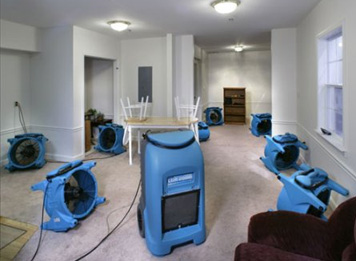
Professional carpet cleaning after water damage involves more than standard cleaning. The process starts with inspection to determine how much moisture the carpet, padding, and subfloor absorbed. Moisture detection tools help identify wet areas that are not visible.
High-powered extraction equipment is used to remove as much water as possible from carpet fibers and padding. Cleaning helps remove residue left behind by rainwater, while controlled drying ensures moisture levels return to safe ranges. In some cases, padding may need to be removed if it cannot be fully dried.
This approach is especially important in Pompano Beach homes, where humidity slows natural drying.
Connection Between Wet Carpets and Mold Growth
Mold cannot grow without moisture. Wet carpets provide an ideal environment, particularly when humidity remains high after storms. Mold often begins growing underneath the carpet, where it can spread unnoticed for weeks.
Once mold develops, it can affect baseboards, walls, and indoor air quality. Proper carpet cleaning and drying after water damage significantly reduce the risk of mold taking hold in the home.
Carpet Cleaning as Part of Water Damage Repair
Carpet cleaning is often one part of a broader water damage response. The source of water intrusion must be identified and corrected to prevent repeat issues. Roof leaks, plumbing problems, drainage issues, or AC moisture failures may all need attention.
Water damage repair focuses on resolving these issues while ensuring affected materials are properly dried. Cleaning carpets without addressing the underlying cause often leads to repeated wetting and ongoing problems.
AC Systems, Humidity, and Carpet Drying
Air conditioning systems play an important role in drying carpets after heavy rain, but they must be functioning correctly. Condensation issues, clogged drain lines, or poor airflow can introduce additional moisture into the home.
Evaluating AC performance and airflow supports effective drying. Managing indoor humidity is essential for preventing moisture from lingering in carpets after storms.
Preventing Future Carpet Problems after Heavy Rain
Prevention starts with quick action. After heavy rain, carpets should be inspected promptly, even if water damage seems minor. Early extraction and cleaning reduce how much moisture penetrates padding and subfloors.
Maintaining roofs, sealing doors and windows, and keeping drainage systems clear help limit water intrusion. Regular AC maintenance and moisture monitoring also reduce the risk of carpet-related problems over time.
Why Local Experience Matters
Carpet cleaning after water damage in Pompano Beach requires an understanding of local conditions. Florida’s humidity, frequent storms, and construction styles all affect how carpets respond to water exposure. Local experience helps ensure cleaning and drying methods are appropriate for the environment.
Pompano Mold Inspection and Testing brings that local knowledge to carpet cleaning, moisture detection, water damage services, and mold-related assessments throughout Pompano Beach, Lighthouse Point, Deerfield Beach, Margate, Coconut Creek, North Lauderdale, Fort Lauderdale, and surrounding Broward County communities.
A Smart Response after Heavy Rain
Wet carpets should never be ignored after heavy rain. Proper carpet cleaning after water damage protects Pompano Beach homes from mold, odors, and long-term material damage. Acting quickly and addressing moisture correctly helps homeowners recover from storms while preserving comfort, air quality, and the condition of their property.